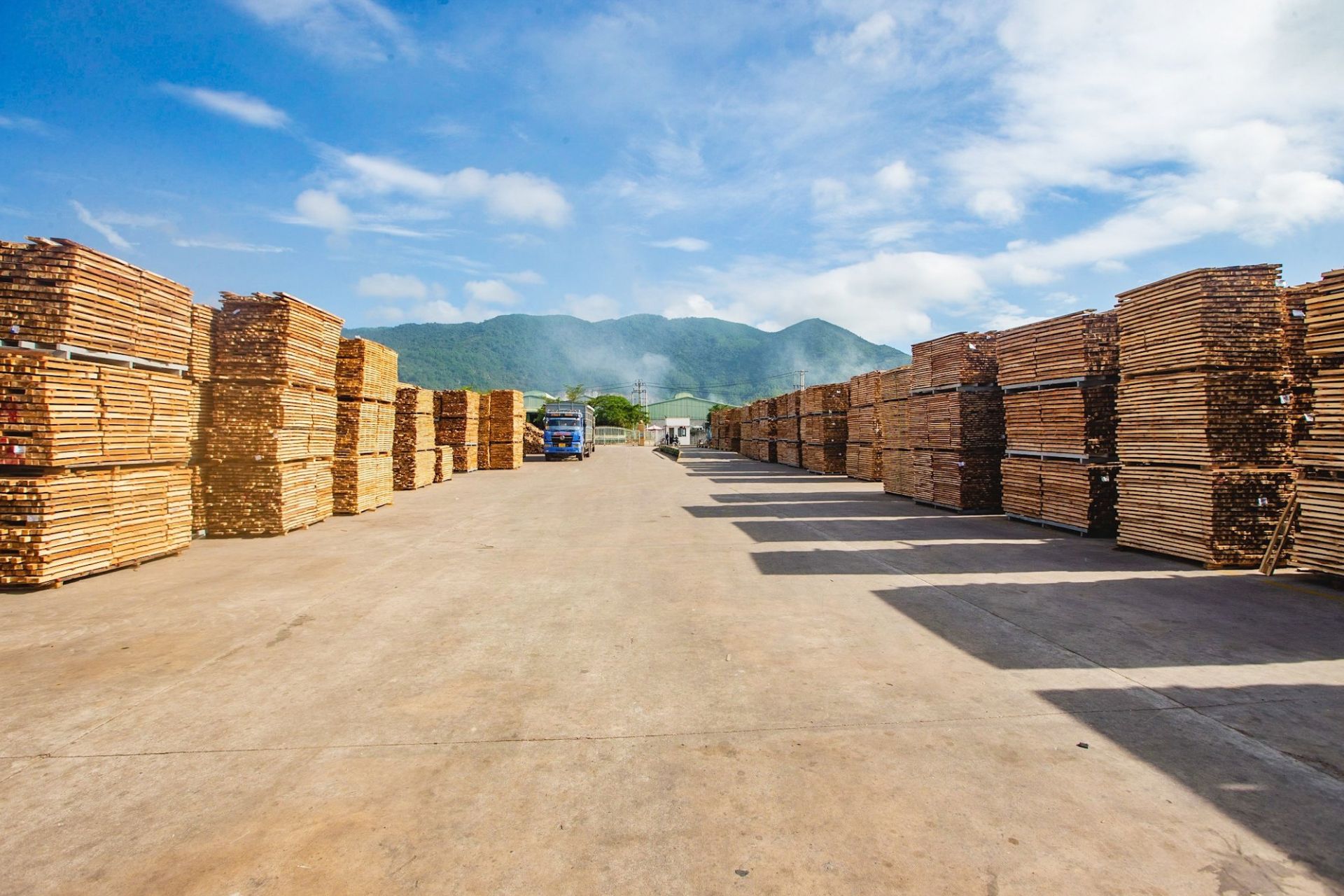
SSR held the groundbreaking ceremony for its new wood processing facility in Tay Ninh on November 28. The plant is expected to produce 2,000 cubic meters per month. The project represents a significant expansion of SSR’s manufacturing capacity in Southern Vietnam and will operate as part of the Ho Chi Minh production area, one of the company’s key manufacturing clusters.
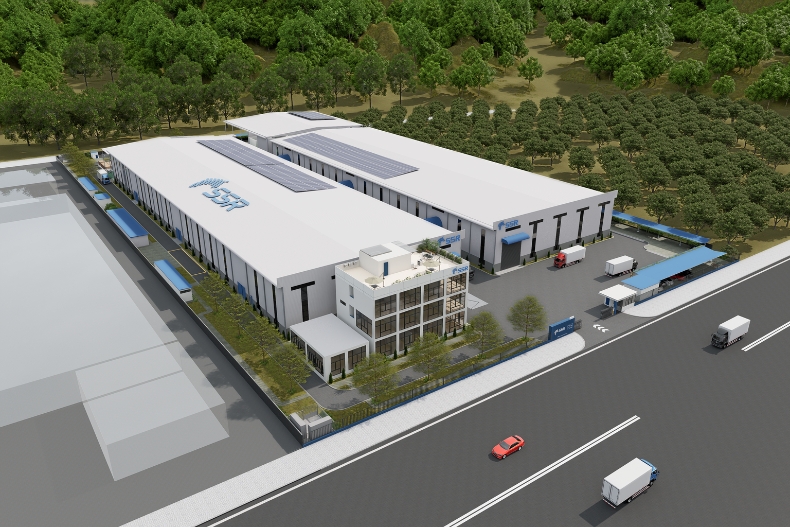
The new factory is engineered for a monthly output of 2,000 m³
Enhanced raw-material processing to reduce fragmentation
The ceremony marked the official commencement of the project, with the participation of SSR leaders and the construction unit in the groundbreaking ritual at the project site.
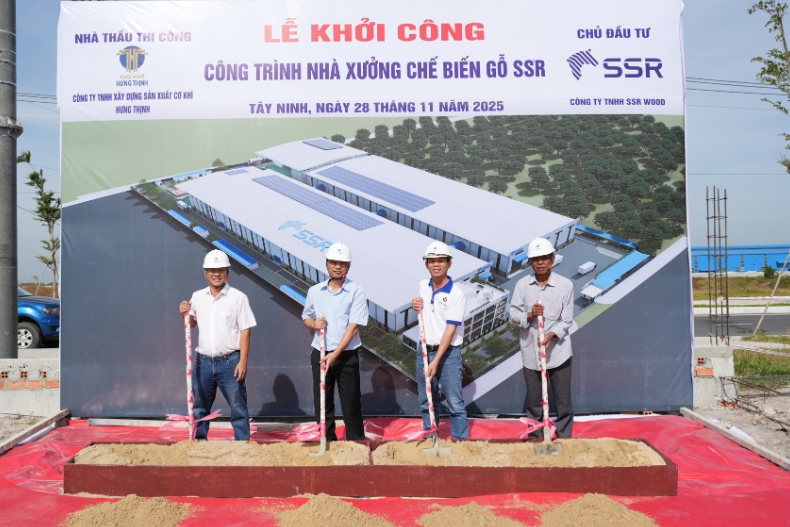
SSR President – Mr. Hung Vu and the contractor’s leadership performed the groundbreaking ceremony
The facility is built as a closed-loop production system, covering sawing, kiln drying, jointing, shaping and UV/Oiled finishing. It will primarily process Acacia and Rubberwood, raw materials widely used for wood panels, staircase components and interior building products.
By integrating these stages within one facility, SSR aims to:
- Reduce material loss
- Limit reliance on subcontracted processors
- Improve quality consistency
- Shorten production cycles
These capabilities are aimed at meeting the high standard demands of suppliers serving key export markets such as North America, Europe, the Middle East, etc.
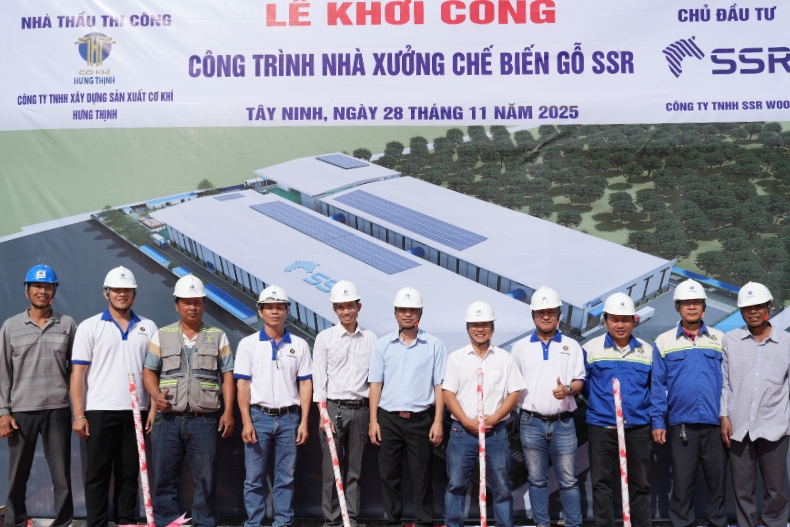
SSR president and construction team representatives
A strategic addition to SSR’s broader manufacturing network
SSR positions the Tay Ninh plant as a key component of its Southern production network, complementing its existing factory operations in Ho Chi Minh City.
Beyond the Southern region, the company also operates manufacturing clusters in:
- Phu Tho, Vietnam
- Gia Lai, Vietnam
- Surat Thani, Thailand
Together, these locations form an integrated production ecosystem designed to improve supply stability, expand processing capacity and meet market demand across multiple regions.
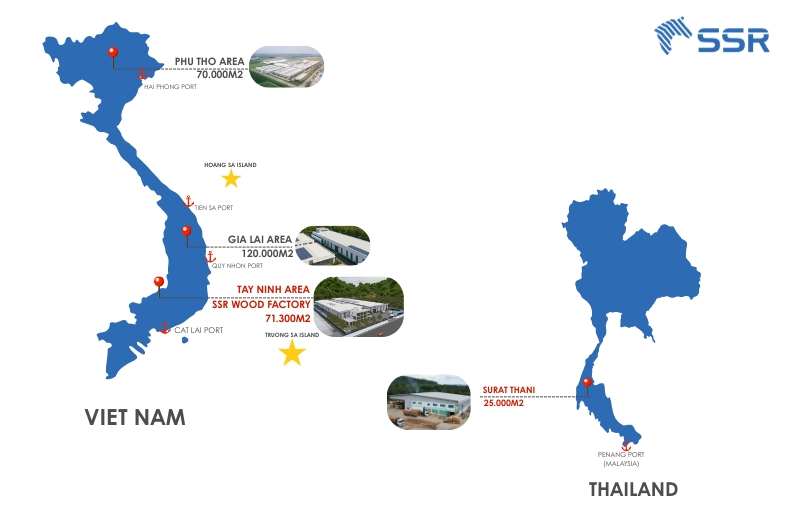
SSR’s Manufacturing Hubs Across Vietnam and Thailand
The addition of the Tay Ninh facility will enable SSR to balance production workloads across locations, enhance supply-chain resilience, and strengthen the company’s ability to serve high-volume and time-sensitive export orders.
Greater in-house processing capability is expected to reduce seasonal risks in material sourcing and support long-term international growth strategies.
Executive comments
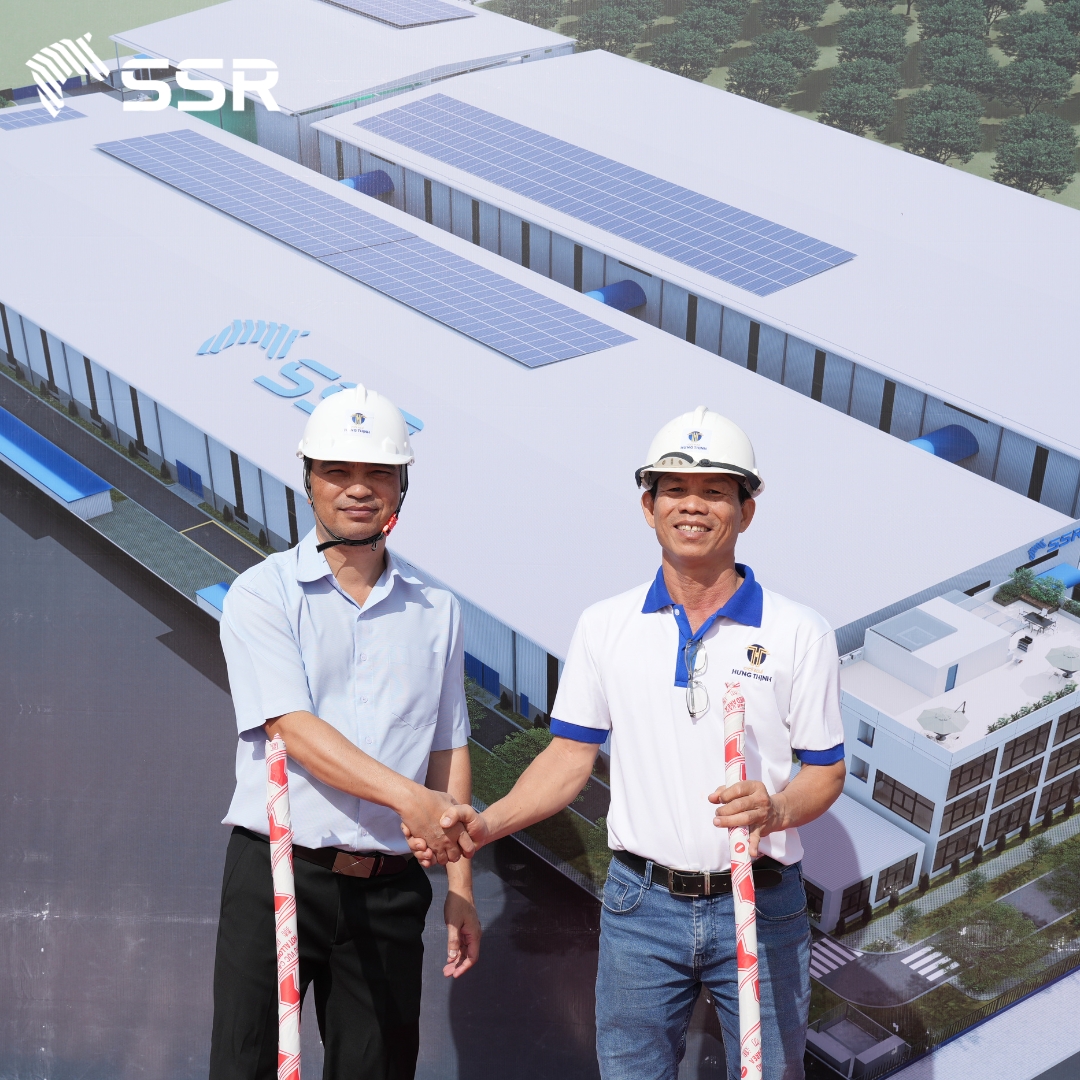
Mr. Hung Vu and the contractor’s top executive seal the partnership with a handshake
At the ceremony, Mr. Hung Vu – President/CEO of SSR emphasized that the Tay Ninh factory will allow SSR to standardize processing operations and expand production capacity at a larger scale. He noted the company’s target to complete construction within six months and operate the facility under unified quality and environmental standards across the SSR system.
He also underlined that the factory is being developed to meet new industry requirements related to traceability, consistent moisture control, and uniform finishing quality – demands that are now central to global procurement standards.
Industry outlook
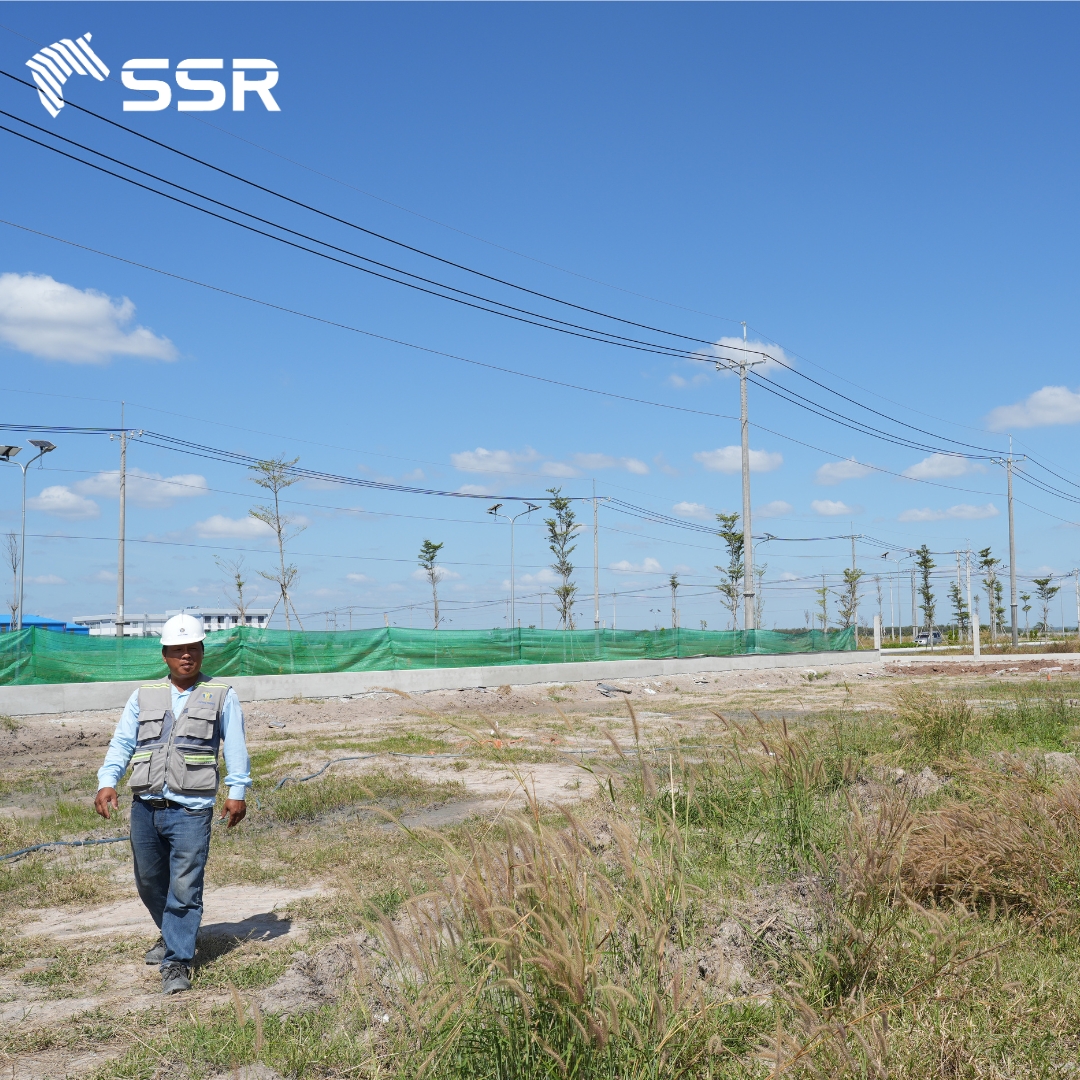
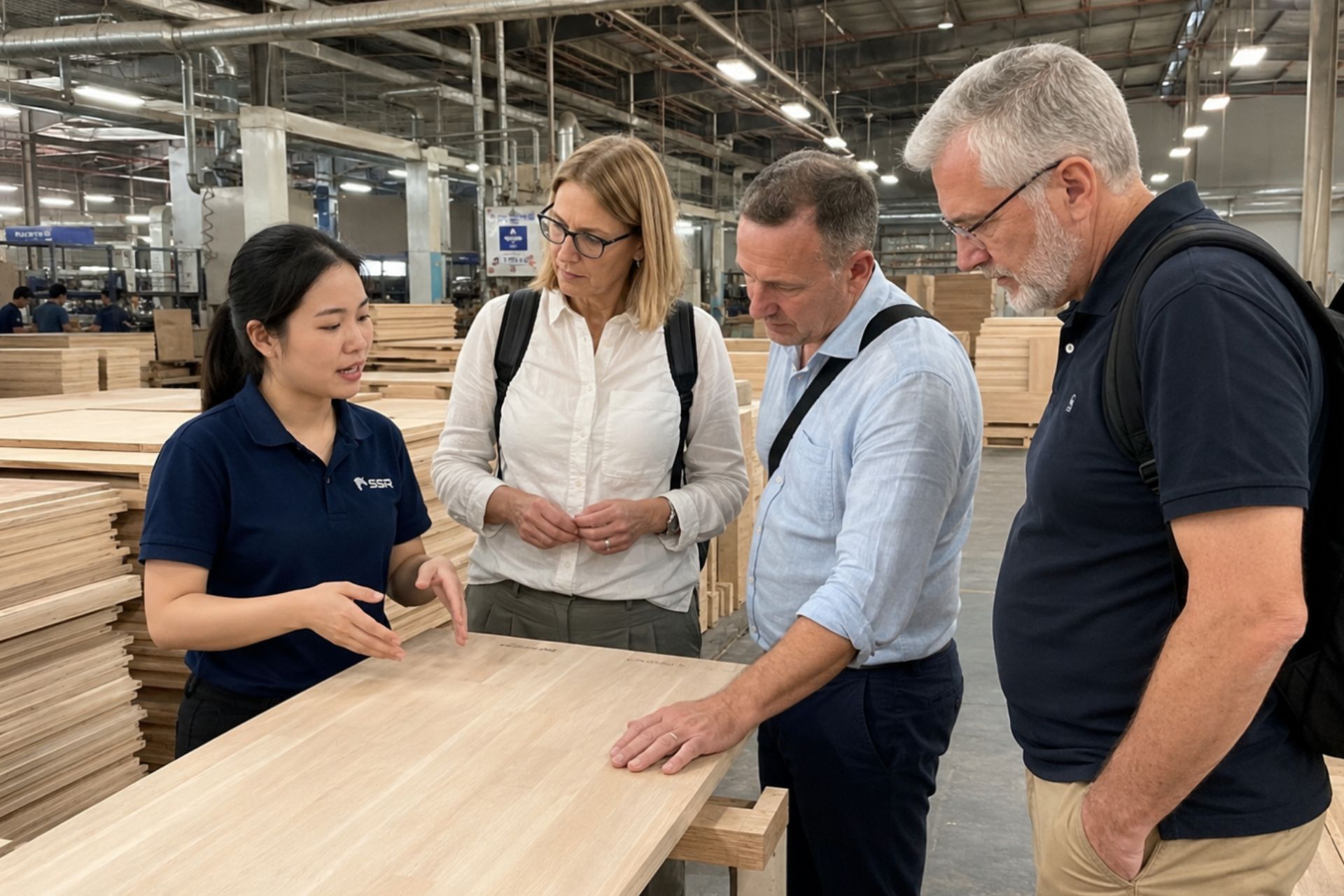
Delegates and partners conduct on-site inspections during the ceremony
The investment aligns with major shifts in Vietnam’s wood-processing sector, where enterprises are consolidating production, increasing automation and tightening quality systems. With available industrial land and strong transport connectivity, Tay Ninh is emerging as a favorable location for expanded manufacturing operations.
As regional supply chains move toward higher traceability and performance standards, the addition of the SSR Wood factory is expected to strengthen the company’s ability to meet long-term export requirements. Industry analysts note that facilities capable of controlling moisture accuracy, material consistency and end-product uniformity will play a decisive role in securing stable contracts from global buyers.
By integrating the Tay Ninh plant into its broader network, SSR is positioned to improve supply stability and expand capacity across multiple markets. The project is anticipated to enhance the competitiveness of Vietnamese wood products in international supply chains and contribute to the development of stronger wood-processing industrial clusters in the region.