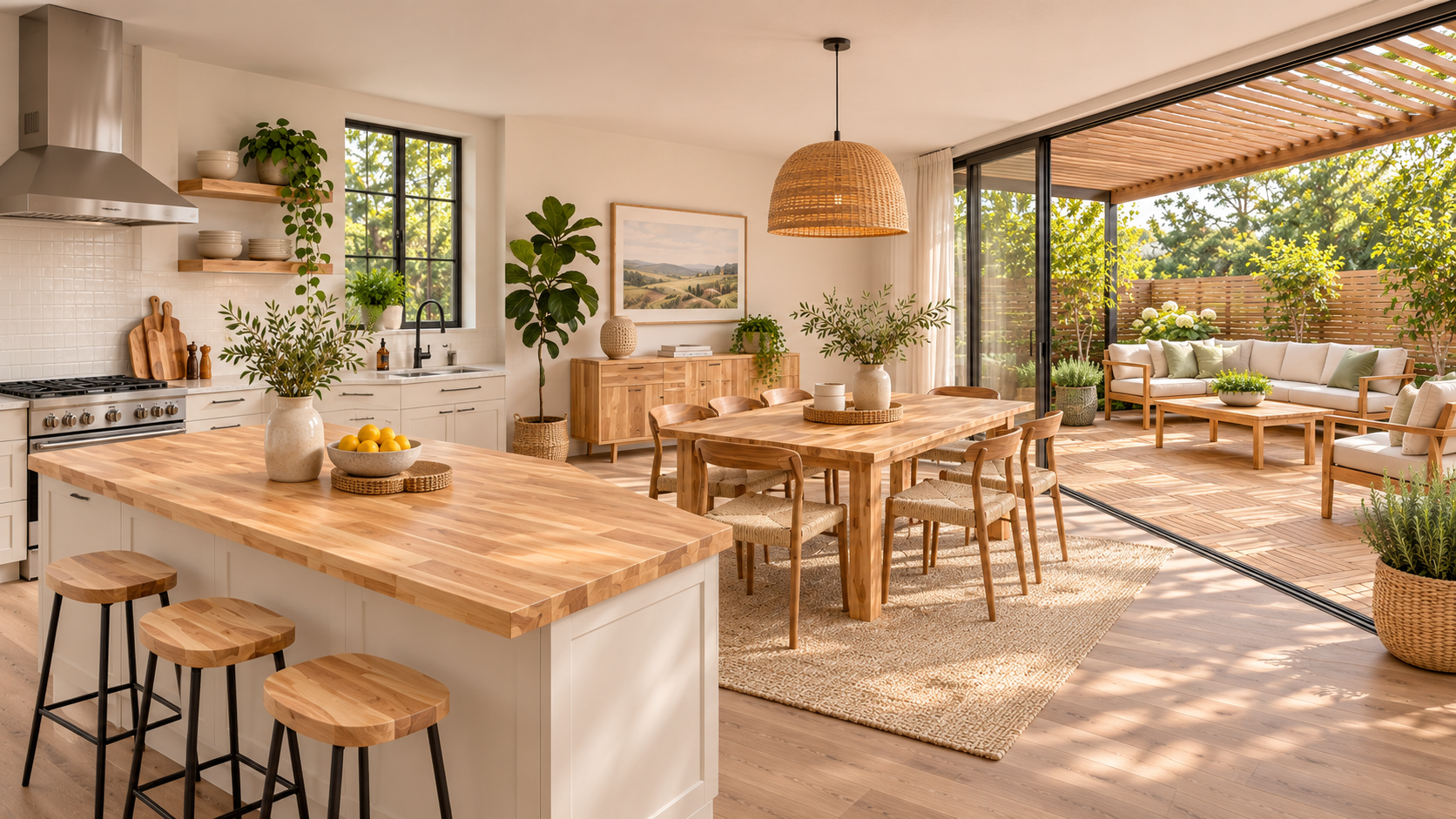
A Birch Finger Joint Wood Board is more useful when it is viewed as the beginning of a finished product rather than simply another solid wood panel. Its relatively light appearance, visible natural grain and adaptable surface can move into furniture, cabinetry, table tops, shelving, desks and other interior applications where the wood remains part of the final design.
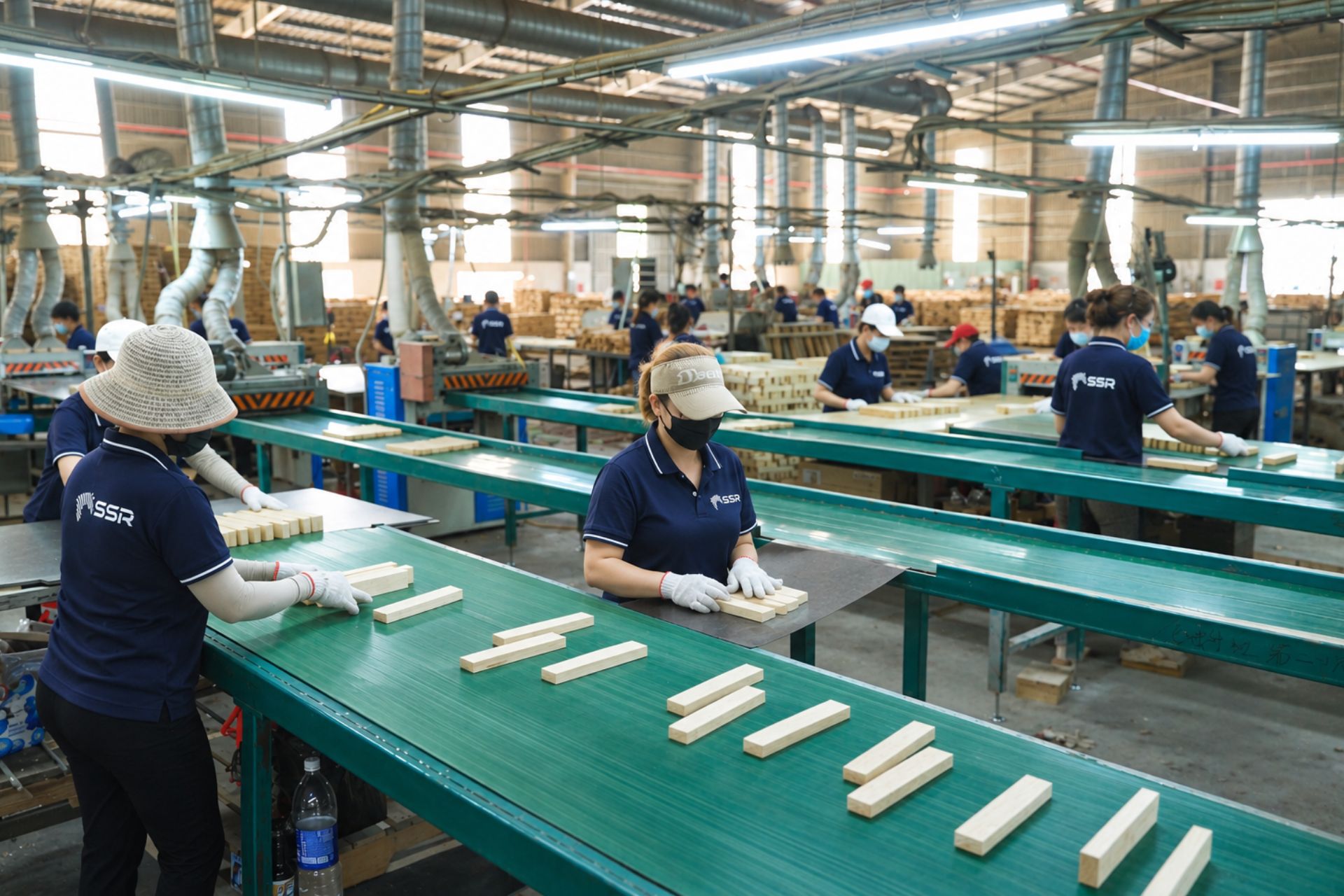
Finger joint construction adds another layer of flexibility. Shorter solid wood pieces are joined lengthwise before being assembled into a wider panel, creating a format that can continue through cutting, machining, sanding and finishing according to what the final product needs to become.
For Birch, this creates an interesting combination. The panel retains the visual character of real wood while offering a practical material platform for manufacturers developing several products around a lighter wood direction.
Rather than asking only what sizes a Birch Finger Joint Board can be produced in, the more useful question is what kind of furniture or interior collection can begin with it.
Birch Brings a Different Visual Direction to Finger Joint Board
Changing the wood species changes the character of the entire panel.
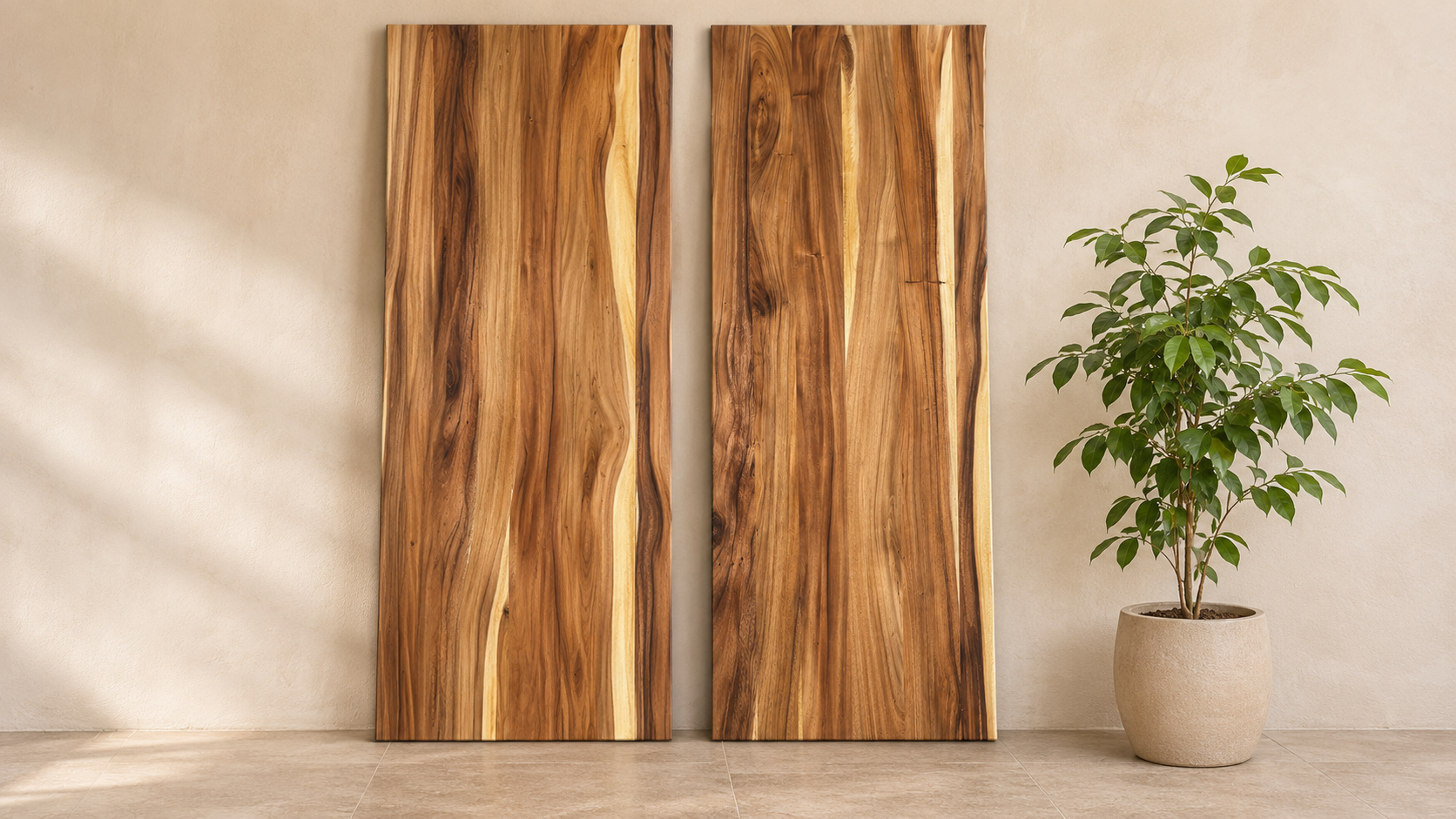
Acacia can bring stronger tonal contrast and more expressive grain, while Rubberwood often creates a relatively calm and balanced surface. Birch introduces another direction through its generally lighter appearance and comparatively fine wood texture, which can work particularly well in products where the goal is to create a clean natural surface without making the wood visually heavy.
This matters because the board rarely exists on its own after production.
It may eventually sit beside painted cabinet fronts, metal hardware, flooring, fabrics or other furniture within the same interior. A lighter Birch Wood Board can introduce natural texture while remaining relatively easy to integrate into different product styles.
The result does not need to feel rustic simply because it is solid wood. Depending on the grade, construction and finish, Birch can move toward clean contemporary furniture, warmer residential collections or more natural Scandinavian-influenced interiors without requiring a completely different material platform.
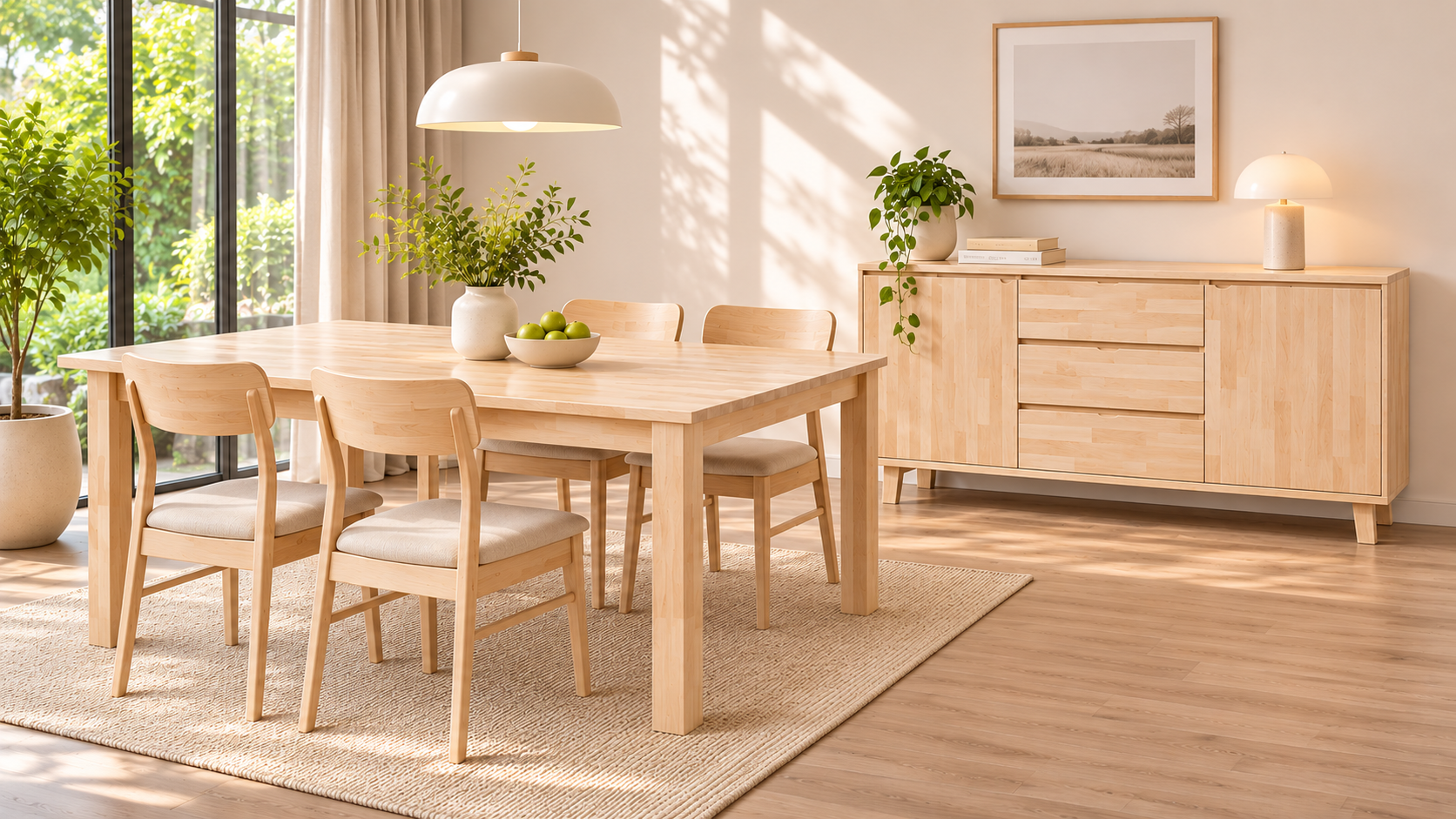
Birch Finger Joint Wood Board for furniture and interior applications
Furniture Is Where the Board Starts to Become a Product
Furniture is one of the clearest applications for a Birch Finger Joint Wood Board because the panel can move through several manufacturing processes before becoming a finished object.
It may be cut into table components, cabinet sides, shelving, bed parts or storage furniture. CNC machining can create holes, profiles and connection points, while sanding and finishing determine how much of the natural Birch appearance remains visible in the final piece.
USDA Forest Service references identify birch as an established furniture and cabinet wood, with yellow birch in particular valued for its machining and finishing properties as well as its appearance. That existing furniture relationship makes Birch a natural species to consider when developing solid wood panels for downstream interior products.
The application, however, should determine how the board is prepared. A visible furniture top needs stronger control of color and surface quality, while a structural component may place more emphasis on machining consistency and dimensions.
The same material can therefore support several products without every component requiring the exact same grade.
Dining Tables Give the Light Wood Surface More Room to Be Seen
A dining table places a large amount of wood directly in the center of the room, making surface appearance particularly important.
With a Birch table top, consumers see more than the overall color. They notice how the individual pieces relate to one another, whether the finger-jointed pattern feels balanced and whether the grain and tone create one coherent surface rather than a collection of unrelated strips.
This is where Birch can create a distinct furniture direction. Its lighter natural appearance can make a larger table feel less visually heavy, particularly in interiors built around neutral walls, soft textiles and relatively simple furniture forms.
The wood does not need excessive decoration to become part of the design. A clean rectangular Birch top paired with a straightforward base can already create a finished product where the surface provides enough natural character on its own.
For furniture programs, this also creates opportunities to extend the same material into benches, side tables or related dining pieces so that the collection feels connected without every item being identical.
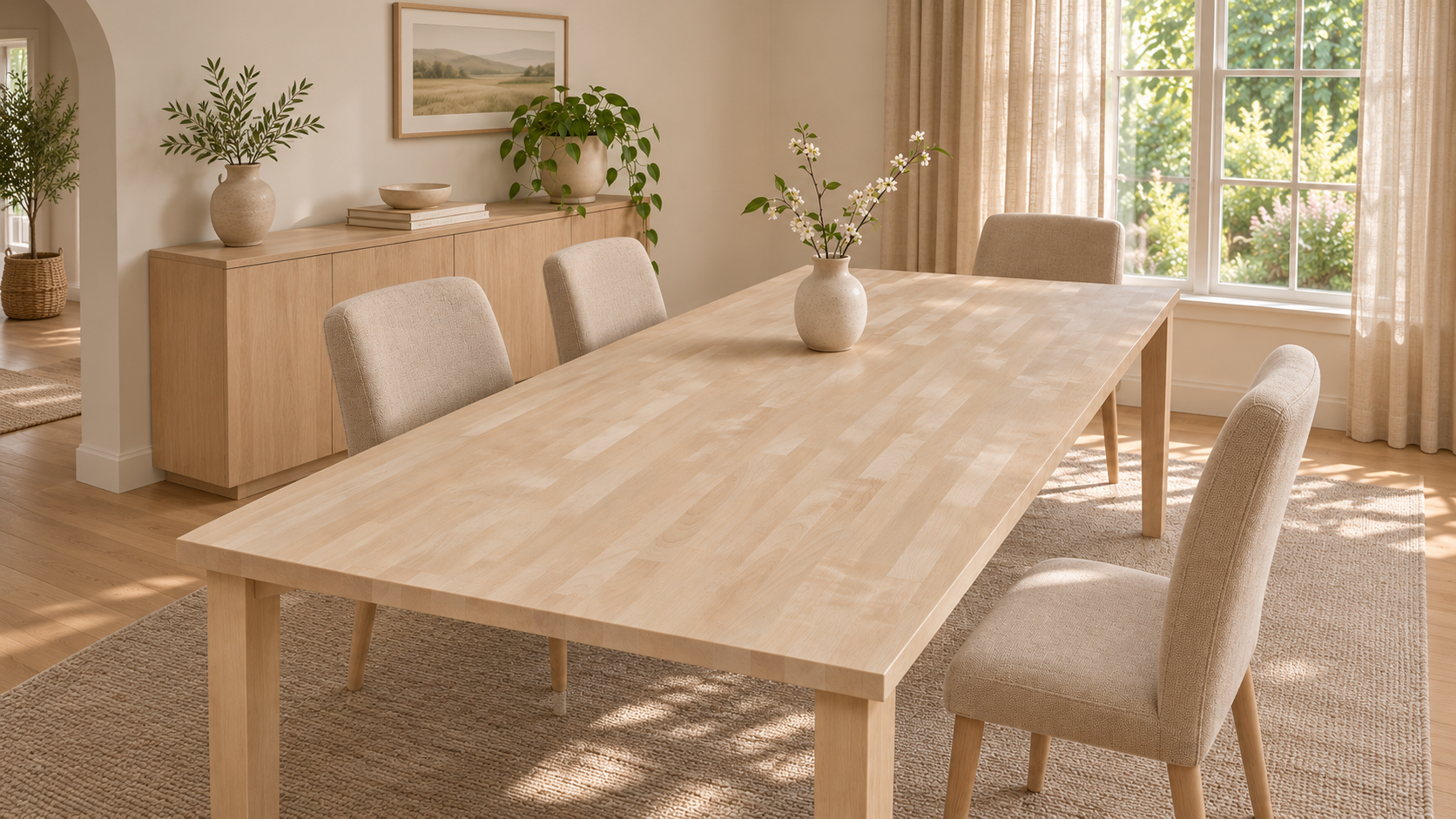
Birch Finger Joint Board used for a natural wood dining table
Desks Turn Birch Into an Everyday Working Surface
The same broad panel format can move naturally into desks and work surfaces.
A desk changes the way the consumer experiences the wood because the surface remains within close view for long periods of the day. Flatness, smoothness and edge preparation therefore become just as important as color.
A Birch Finger Joint Board used as a desktop can introduce a lighter natural material into a workspace surrounded by monitors, metal frames and storage systems. The result can feel warmer than a synthetic desktop without making the room overly dark or visually dominant.
This application is also flexible from a product-development perspective. The same Birch surface can be paired with fixed wooden legs, metal frames or adjustable standing-desk bases, allowing manufacturers or OEM/ODM programs to create several finished products around a related panel.
The board remains visually recognizable while the supporting structure changes.
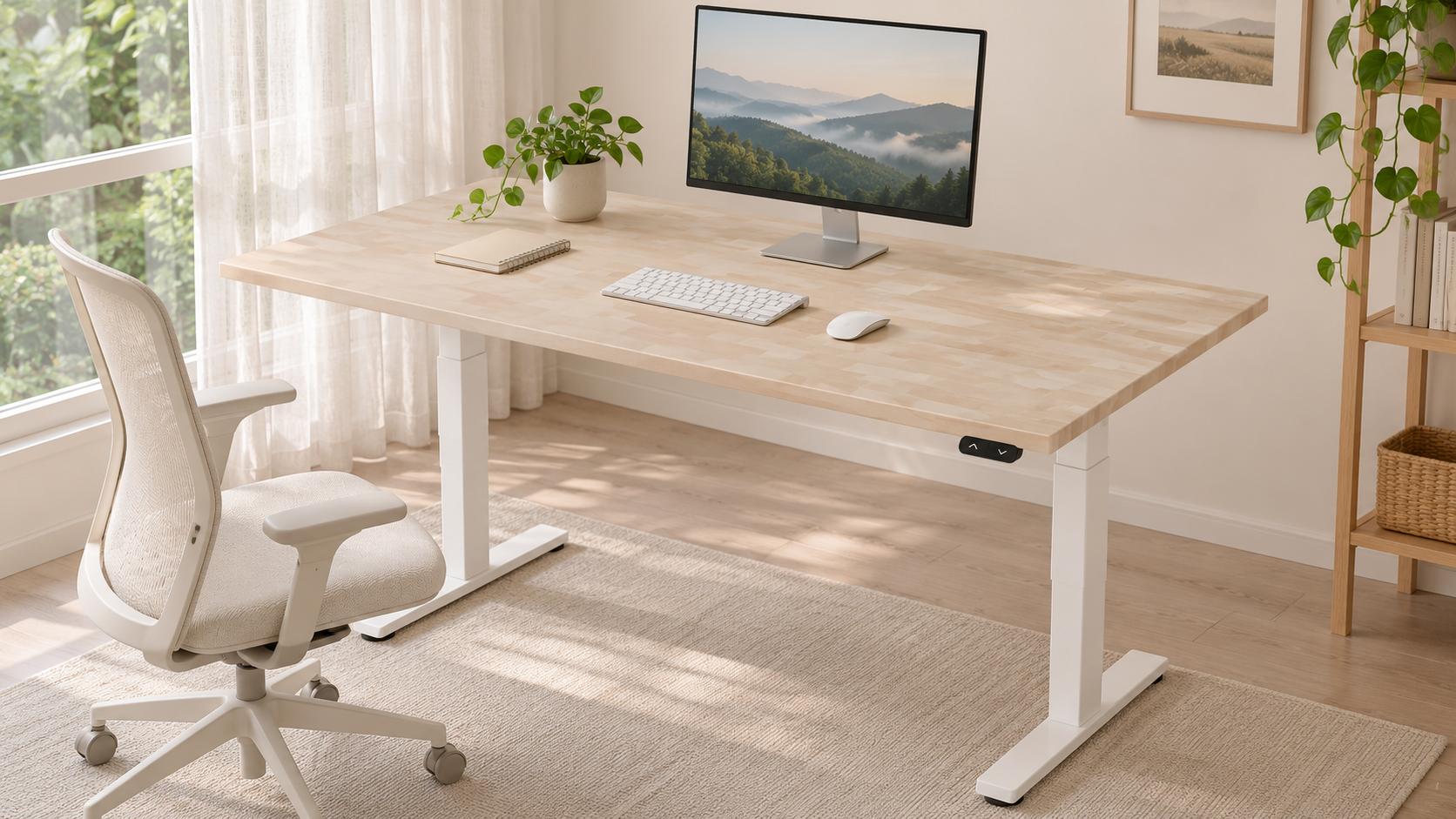
Birch Finger Joint Wood Board used as a solid wood desktop
Cabinets Put Surface Preparation Under Closer Inspection
Cabinetry creates a different set of expectations because Birch may appear across several vertical surfaces within the same product.
A Birch Wood Panel can become a cabinet side, door, shelf or other visible furniture component. When several pieces are placed together, differences in color, grain direction and surface preparation become easier to notice.
Natural finishes keep the Birch appearance visible and therefore require stronger visual control. Painted finishes change the priority toward surface preparation because small machining marks, sanding inconsistencies or glue residue may become more visible after coating. Stained surfaces introduce another consideration because variation in absorption can influence the finished color.
This is why there is no useful universal definition of a “premium” Birch board without knowing how the finished cabinet will look.
Quality needs to follow the intended finish.
A board prepared for a clear natural cabinet collection should not necessarily be graded in the same way as a board intended for an opaque painted product.
Shelving Makes Birch Easy to Introduce Into More Rooms
Not every application requires a large furniture product.
Shelving allows Birch Finger Joint Board to move into kitchens, wardrobes, living rooms, offices and storage spaces through relatively simple components where the face and front edge of the wood remain visible.
Floating shelves can make Birch part of the interior without adding another large furniture piece. Open shelving can bring the same material into pantry or kitchen storage, while bookcases and modular storage systems can extend the surface into living and working areas.
These applications also reveal the importance of the panel edge.
On a cabinet side, the edge may be less dominant. On a floating shelf, it becomes one of the first things consumers see. The quality of cutting, sanding and finishing therefore contributes directly to how substantial and refined the finished product feels.
For retailers and furniture brands, shelving also creates another entry point into a Birch collection. A consumer may first encounter the material through a small shelf before seeing related desks, tables or storage furniture built around the same wood direction.
Bedroom Furniture Can Build Around One Material Family
A bed is rarely the only wood product within a bedroom.
A complete collection may include a headboard, bedside table, dresser, bench and storage components. When those products share a related species and finish, the room feels more intentionally designed.
A Birch Furniture Board can support this type of collection because the panel can be processed into different components while maintaining a recognizable wood character across the range.
The challenge is not making every piece look exactly the same.
Natural wood should still look natural.
The objective is to manage the variation so that a Birch headboard and bedside cabinet feel related rather than appearing to come from completely different material groups.
This becomes particularly important for lighter furniture where the natural surface remains visible. Tone differences, finger-joint patterns and grain relationships can stand out more clearly when the finish does not hide them.
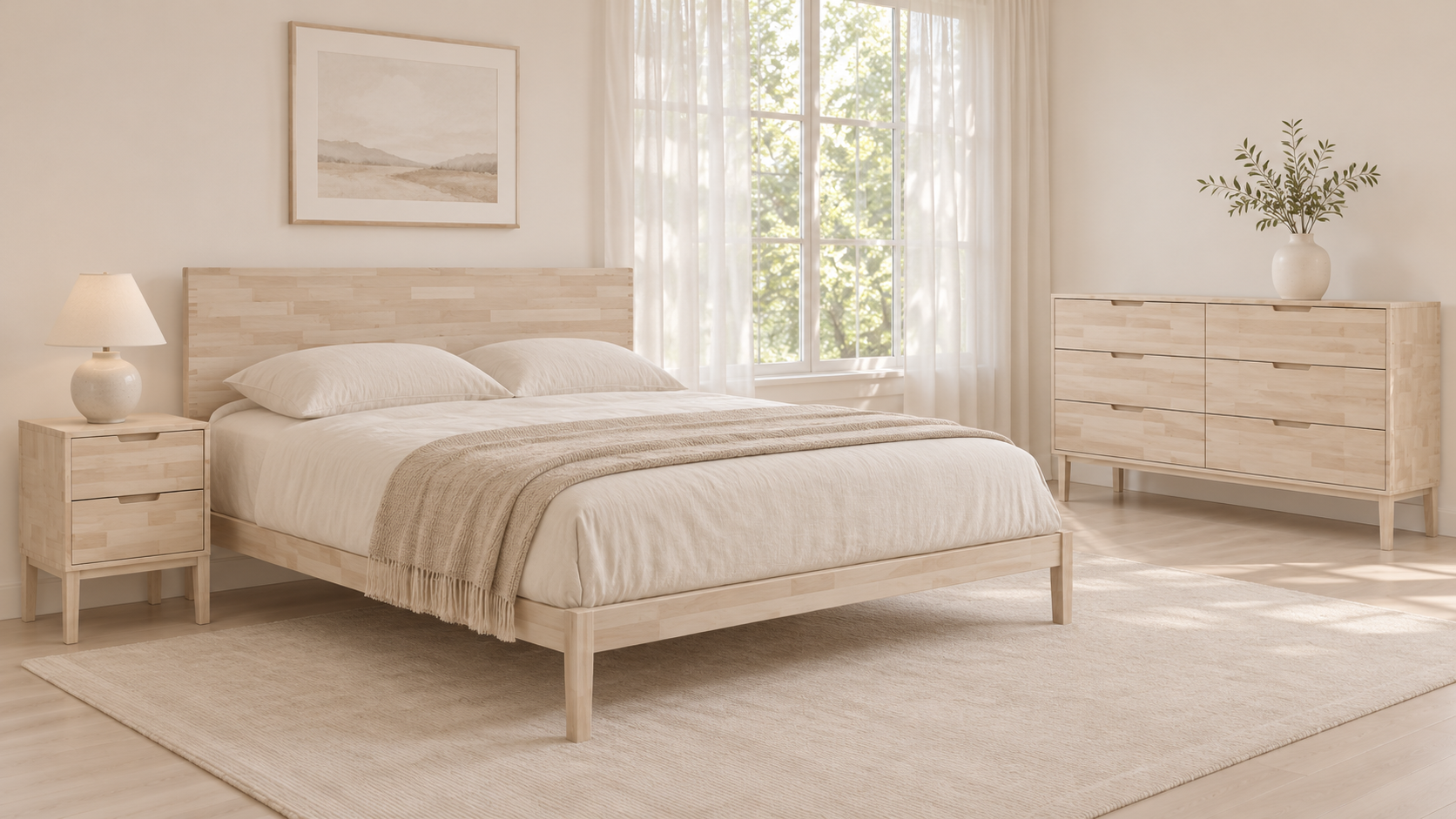
Birch Finger Joint Wood Board used for bedroom furniture
The Finger Joint Pattern Can Become Part of the Design
Finger jointing is often discussed only as a construction method, but once the wood remains visible it also becomes part of the visual language of the finished panel.
The repeated joints show how individual pieces have been combined into longer sections. Depending on the orientation, dimensions and finish, this pattern can remain subtle or become more noticeable across the surface.
With Birch, the generally lighter wood tone can allow the construction to remain visible without overwhelming the finished product. This can work well for tables, desks, shelves and other applications where consumers expect to see real wood rather than a perfectly uniform decorative surface.
The objective is not to hide every joint.
It is to make the pattern feel consistent enough that the board still reads as one product.
Irregular machining, obvious glue lines or poorly matched pieces can interrupt that appearance. Clean joint preparation and controlled assembly therefore influence both how the panel performs and how consumers perceive the finished surface.
Light Wood Makes Color Control More Important, Not Less
A lighter wood surface may appear simple, but maintaining a coherent appearance across a broad panel still requires attention.
Individual Birch pieces can naturally vary in tone, grain and character. When they are assembled into a Birch Solid Wood Board, those differences become part of the finished surface.
The objective should not be to eliminate every natural feature.
Research from the USDA Forest Service has even found that consumers and wood-product manufacturers can respond positively to character in Birch panels, including natural stain and visible variation, depending on how those features are presented within the finished product.
The important distinction is between natural character and uncontrolled inconsistency.
Variation that appears intentional can give the surface identity. Variation that looks random can make adjoining pieces feel mismatched.
For dining tables, desks, cabinet doors and visible shelving, material sorting and visual grading therefore become part of product design rather than simply an inspection step at the end of manufacturing.
Finishing Determines How Much of Birch’s Character Remains Visible
The same Birch Finger Joint Wood Board can move in very different visual directions depending on the finish.
A clear or lightly toned finish can preserve the lighter natural appearance of the material. A warmer stain can move the board toward a richer furniture direction, while painted surfaces can use the solid wood construction underneath without requiring the natural grain to remain visible.
This flexibility is useful for furniture programs because one species can support several design directions without changing the underlying material platform.
Finishing also raises the standard for surface preparation.
USDA Forest Products Laboratory guidance notes that transparent finishes can emphasize planer marks and other surface blemishes, while stains may accentuate differences in absorption across the wood. For finger-jointed products in particular, careful preparation becomes important because pieces may come from different parts of the material supply and react differently to finishing.
The finish therefore should not be decided only after the board is produced.
It should help define how the panel is selected, sanded and prepared from the beginning.
Moisture Control Supports What Happens After Machining
Moisture content is not usually what a consumer notices when choosing a table, desk or cabinet.
They notice what happens later.
A desktop is expected to remain reasonably flat on its frame. A cabinet door needs to align properly. A shelf should stay stable after installation, while a dining table should continue to feel like one coherent surface as the environment around it changes.
Wood naturally responds to humidity, which means drying and moisture control remain important even when they are invisible in the final product.
For a Birch Finger Joint Board, the important point is not simply hitting one number during production. The panel needs enough moisture consistency for the intended manufacturing process, finishing system and destination environment.
When that control is missing, dimensional movement can quickly move from a factory variable to a customer complaint.
Technical quality therefore needs to support the way the finished product will actually be used.
Flatness and Thickness Affect More Than Factory Efficiency
Dimensional consistency becomes particularly important when Birch boards move into repeat furniture manufacturing.
A CNC machine, saw, router or sanding line performs more predictably when panels arrive within a controlled thickness range. Variations can require recalibration, additional sanding or rework before the material can move to the next stage.
For manufacturers, that directly affects yield and processing efficiency.
For the consumer, the same issue appears in a different form. A table top needs to sit correctly on its base. Shelves installed side by side should align. Cabinet parts need to fit together, while desk surfaces need to remain stable on frames produced to standard dimensions.
The customer may never know why a panel was difficult to machine.
They only see the finished result.
This is why the production quality of a Birch Wood Board cannot be separated from the furniture experience that comes afterward.
Packaging Protects a Surface That May Stay Fully Visible
A Birch panel may travel through several stages before becoming finished furniture.
It can move from factory handling into export packaging, container transport, warehouse storage and downstream production. If the board is supplied as a visible-grade panel, scratches or edge damage created during that journey can reduce usable yield before manufacturing has even started.
This becomes particularly important when the product will receive a clear or lightly colored finish.
A dark opaque coating may hide some minor visual defects. A natural Birch finish often will not.
Packaging therefore needs to protect the visible faces, edges and corners while keeping the boards supported during transport. Clear product identification also becomes useful where several grades, dimensions or finish directions are being managed within the same program.
The goal is simple: the material arriving at the next manufacturing stage should still match the quality that left the factory.
One Birch Panel Can Support an Entire Furniture Direction
The strongest opportunity for Birch Finger Joint Wood Board is not one isolated application.
It is the ability to create several products around one recognizable light-wood direction.
A dining table can establish the material in the dining room. A desk can carry it into the workspace. Shelves and cabinets can introduce it into storage applications, while bedroom furniture can extend the same wood identity into another part of the home.
The products do not need identical dimensions or grades.
A table top may require stronger visual control than an internal cabinet component. A shelf may place more importance on the front edge, while a painted furniture part may prioritize surface preparation differently from a clear-finished desk.
What connects them is the material platform.
For furniture manufacturers and OEM/ODM programs, this makes Birch more than another panel option. It can become a starting point for a related collection in which the species, surface character and finishing direction are already understood.
Why Birch Is Worth Adding to the Finger Joint Board Program
Birch brings something different to a Finger Joint Board portfolio.
It creates a lighter material direction that can sit between highly expressive hardwood surfaces and more neutral painted furniture programs. Its established use in furniture and cabinetry also provides a natural connection between the raw panel and the products manufacturers are likely to develop from it.
The USDA Forest Service’s Birch wood research identifies furniture, cabinets, millwork and interior products among the established uses of Birch and highlights the machining, finishing and appearance qualities that have supported those applications.
For a Finger Joint Board program, those characteristics open several possible directions: clear-finished dining furniture, light desktops, natural shelving, cabinetry, bedroom furniture and other interior components where real wood remains visible.
The opportunity is not simply to add another species to a product list.
It is to create a different visual and application direction within the solid wood panel category.
Birch Finger Joint Wood Board Is the Starting Point, Not the Finished Story
A Birch Finger Joint Wood Board may leave the factory as a rectangular panel, but that is only the beginning of its commercial value.
The finished product may become a dining table where the light grain is fully visible, a desk used every day, a cabinet designed around a natural finish, a shelf integrated into a living space or part of a coordinated bedroom collection.
Each application changes what matters most.
Appearance becomes more important when the face remains exposed. Surface preparation becomes critical before staining or coating. Moisture and dimensional control support predictable machining and long-term stability. Joint quality influences both construction and the visual character of the finished surface.
SSR’s Finger Joint Board program continues to expand across different wood species and applications, with Birch Finger Joint Wood Board adding a lighter natural surface direction for furniture, cabinetry and interior product development. SSR’s current wood-manufacturing content also identifies Birch among the solid wood species available within its broader panel and wood-surface portfolio.
The board is the material. The real product is what comes next.
Frequently Asked Questions
What is Birch Finger Joint Wood Board?
Birch Finger Joint Wood Board is a solid wood panel produced by joining shorter Birch pieces lengthwise through finger joints before assembling them into a wider board. The panel can then be cut, machined, sanded and finished for different furniture and interior applications.
What can Birch Finger Joint Board be used for?
Common applications can include dining tables, desks, cabinets, shelving, bedroom furniture, storage products and other interior wood components where a solid wood surface is desired.
Is Birch suitable for furniture?
Yes. USDA Forest Service references identify Birch as an established wood for furniture, cabinets, interior millwork and related products, with some Birch species valued for their machining and finishing characteristics.
Can Birch Finger Joint Board be stained?
Yes. Birch can be finished in natural, stained, painted or other coating directions, but surface preparation and finishing processes should be developed according to the intended appearance.
Is Birch Finger Joint Board suitable for cabinets?
Yes. Birch panels can be processed into cabinet sides, doors, shelving and other components, with the required surface grade depending on whether the final product will use a natural, stained or painted finish.
Why is visual grading important for Birch panels?
Birch naturally contains variation in grain, color and character. Visual grading helps manage those differences so that a large visible surface retains natural wood character while still appearing intentional and appropriate for the final product.
Can Birch Finger Joint Board be used for desktops?
Yes. Birch can work well for desk and work-surface applications when flatness, dimensions, edge preparation, surface smoothness and finishing are controlled according to the desk design.
What quality factors matter most for Birch Finger Joint Board?
The priorities depend on the final application, but joint quality, moisture control, thickness consistency, flatness, sanding quality and visual grading are all important factors for downstream processing and finished-product appearance.