The SSR team recently participated in Lowe’s Into the Blue 2026, joining a program designed to bring new product ideas and companies closer to Lowe’s merchandising organization. The event comes at a time when the U.S. home improvement market remains highly competitive and retailers are taking a closer look at how products are developed before they reach the shelf.
The program has grown from its first edition in 2022, when around 1,400 businesses applied and 325 suppliers were invited to participate. It reflects a broader shift in home improvement retail, where product development is increasingly connected to what happens in the market much earlier in the process.
That scrutiny is understandable given the scale of the market. Lowe’s reported $26 billion in sales in the second quarter of 2026 and operated 1,761 stores as of July 31. Online sales increased 15.7% during the quarter, while the company continued to report pressure on discretionary DIY spending. The figures point to a market where demand remains substantial, but where product decisions are becoming more selective.
Into the Blue provides one view into that process. Lowe’s created the program to bring product companies into direct discussions with its merchandising teams, giving participants a clearer understanding of how ideas are considered within a large home improvement retail environment.
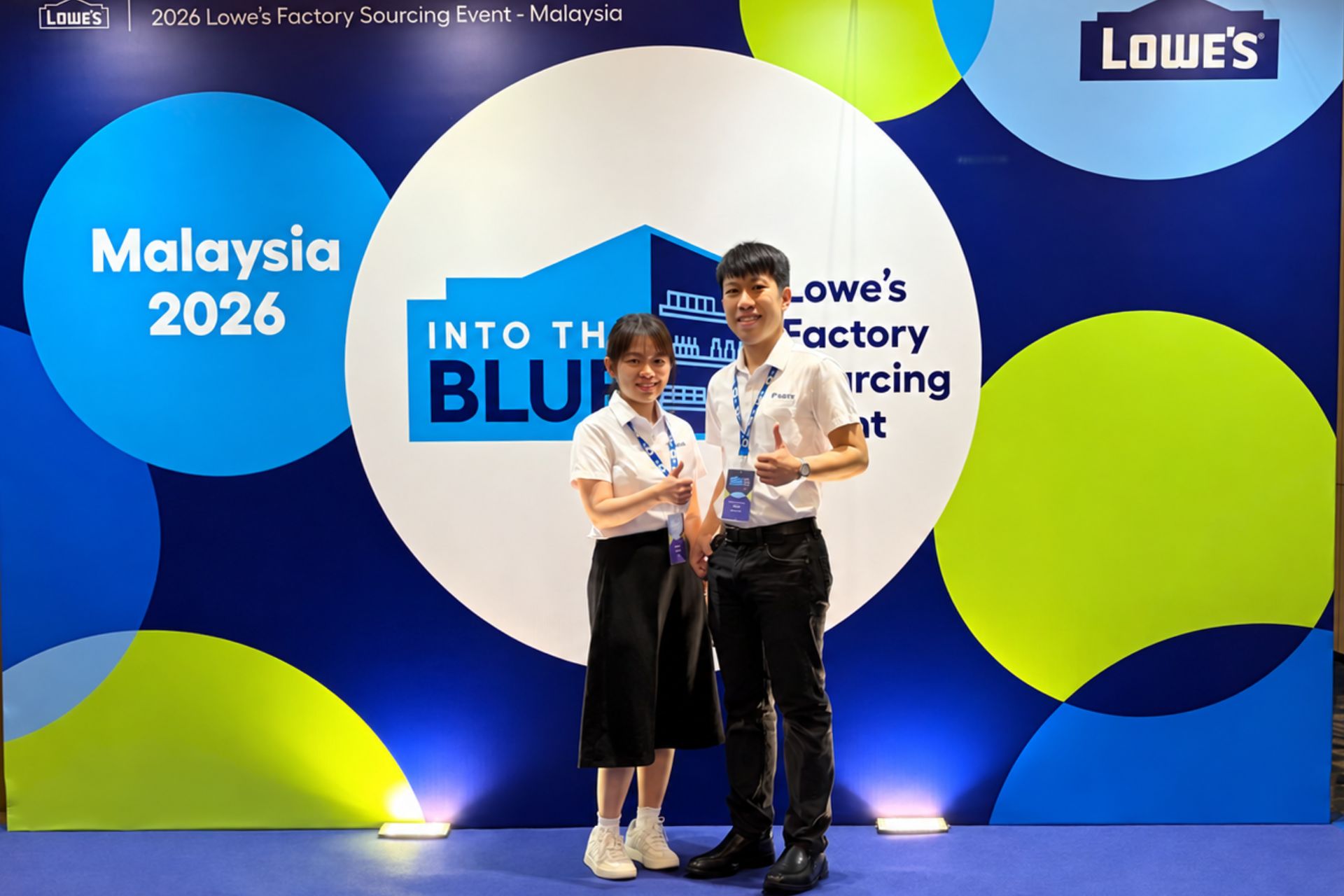
SSR team at Lowe’s Into the Blue 2026
Retail decisions are influencing products earlier
The importance of these discussions becomes clearer when looking at the categories surrounding SSR’s business. Lowe’s generated about $7.1 billion from Seasonal & Outdoor Living in its latest fiscal year, while Kitchens & Bath accounted for nearly $5.9 billion and Lumber approximately $6.7 billion. These categories sit close to the areas where wood surfaces and outdoor products compete for space, attention and investment.
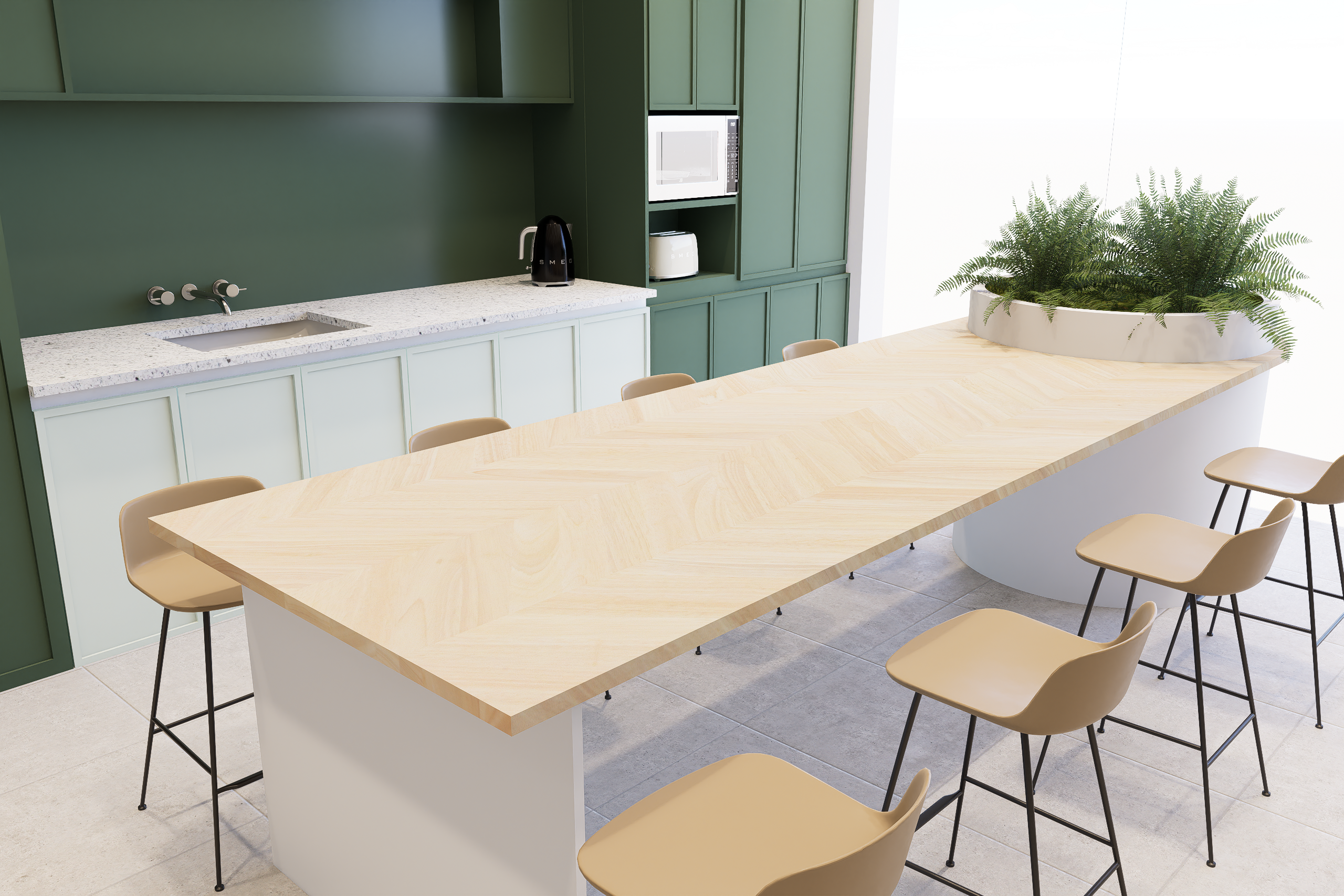
Products entering these categories have to satisfy more than manufacturing specifications. A butcher block countertop may begin with the choice of wood species and thickness, yet its final dimensions can affect how easily it moves through distribution and how comfortably it fits into a retailer’s assortment. Packaging also has to protect a relatively large wood surface without adding unnecessary handling or freight cost.
Outdoor livng products face another set of commercial constraints. Deck tiles need a construction that works for the end user while remaining practical to pack and ship. Patio furniture is more dependent on the selling calendar, so decisions made during development can affect whether production and delivery match the retail season.
The result is a development process where commercial requirements are being considered earlier, often before the final specification reaches the factory.
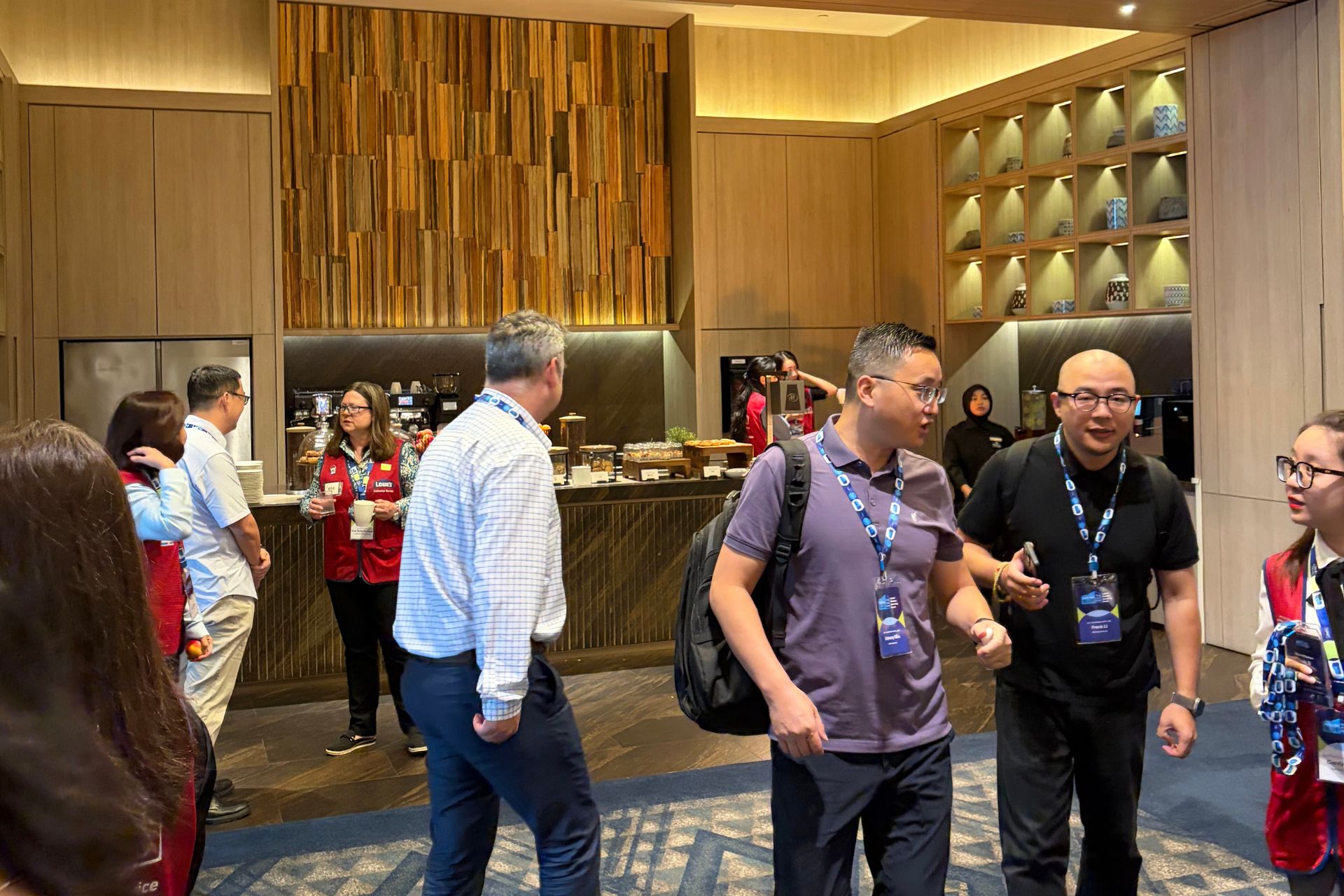
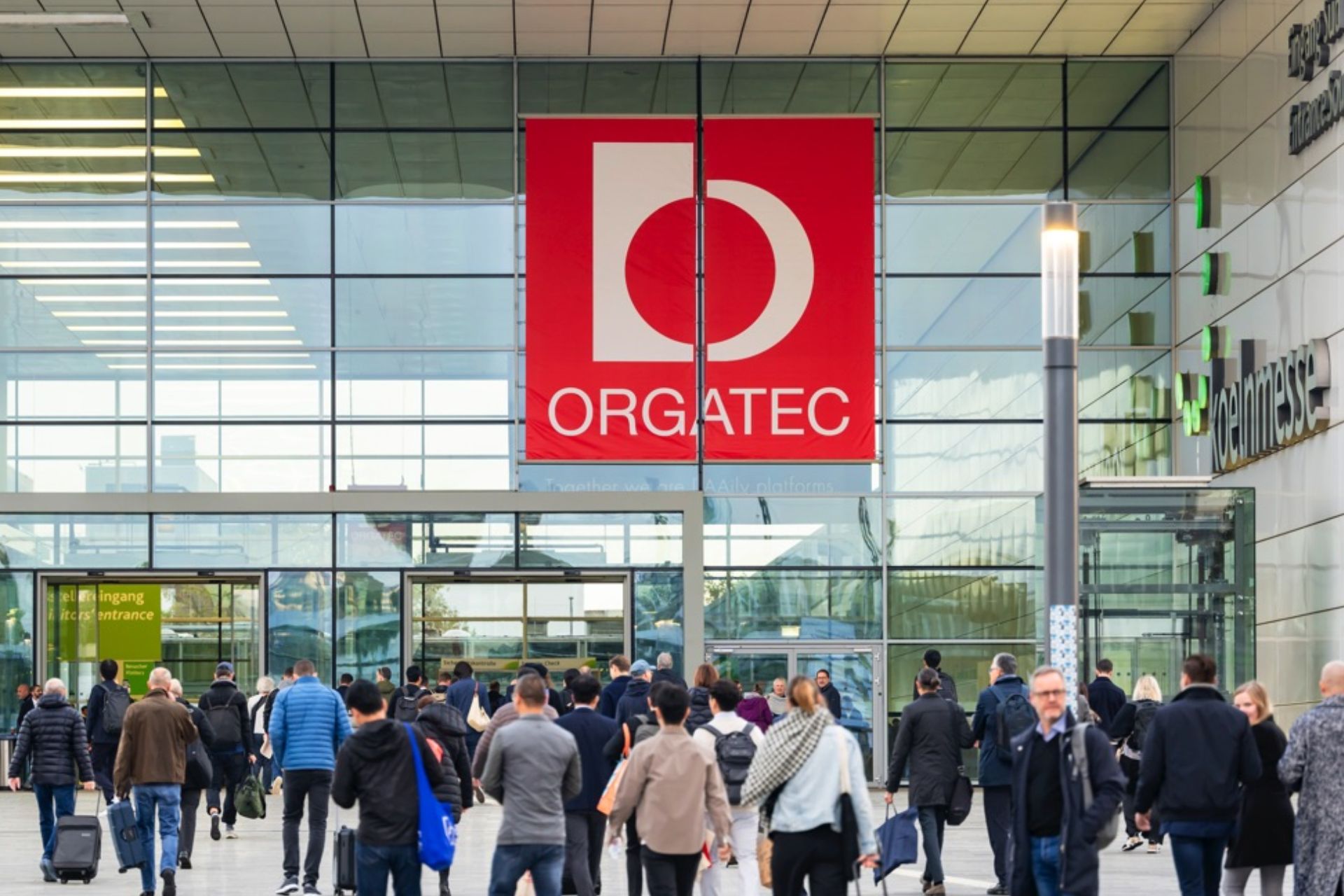
Inside Lowe’s Into the Blue 2026 event hall
A broader view of wood product development
This shift has particular relevance for wood manufacturers because seemingly minor adjustments can affect several parts of a program at once. Changing the length of a countertop can influence wood yield and the dimensions of the final package. A revised deck tile construction may improve installation while also changing how efficiently the product uses material and shipping space.
The same relationship appears in outdoor furniture, where construction choices can determine how compactly an item folds or how much assembly is required after delivery. These details may appear operational, but they increasingly have a place in the initial product conversation.
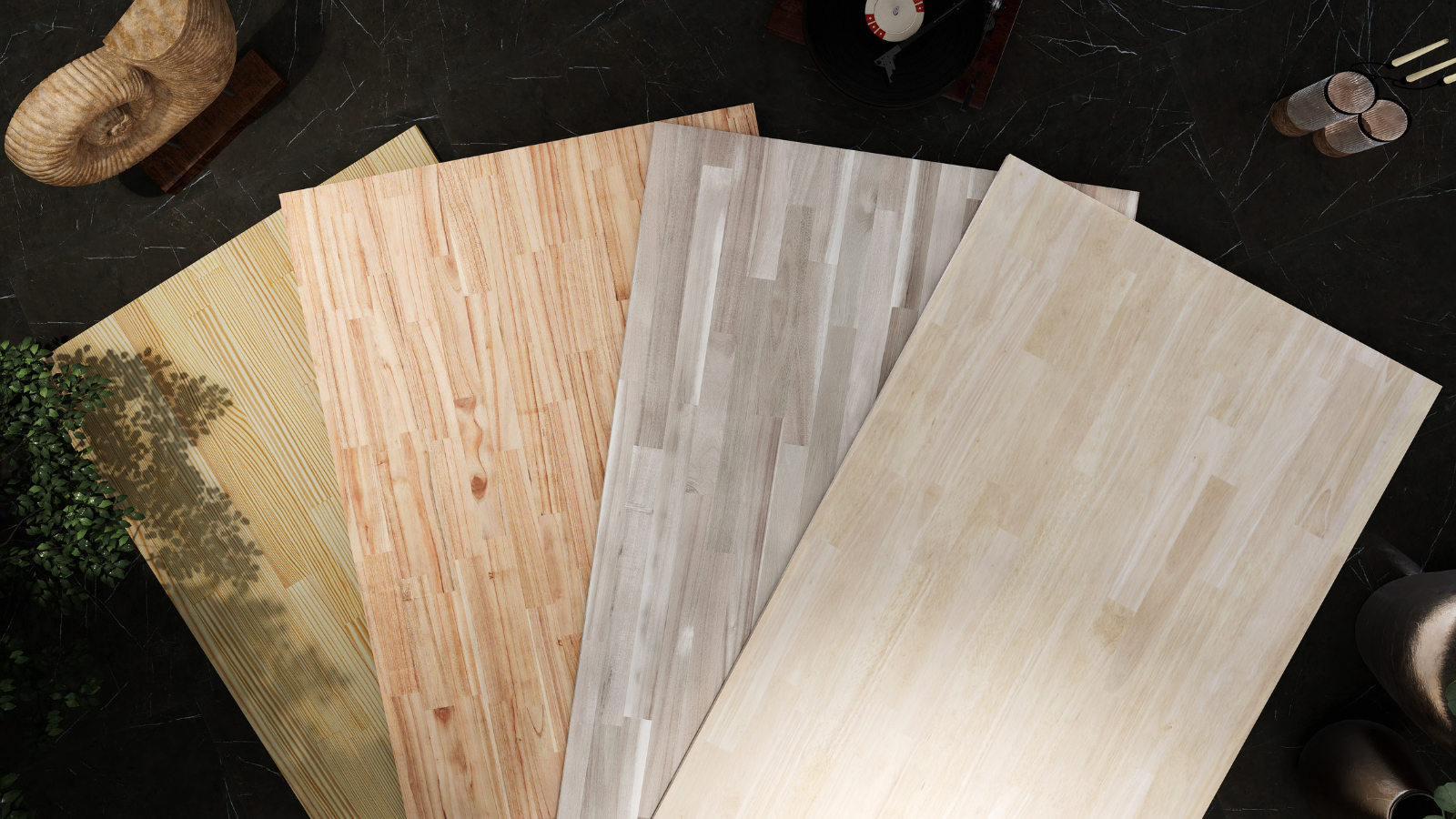
SSR currently develops programs across wood surfaces and outdoor living, including butcher block countertops, workbench tops, tabletops, deck tiles and outdoor furniture. Participation in Into the Blue added another market reference to that work, particularly around the way retail requirements are being considered before production reaches scale.
From market discussion back to manufacturing
The observations gathered during the event will now return to SSR’s product development and manufacturing teams in Vietnam. The value of those observations is likely to appear through practical adjustments rather than dramatic product changes, whether that means reviewing a size range, refining a construction detail or reconsidering the way a product is prepared for shipment.
This type of market feedback has become an increasingly useful part of product development. Retail visits, customer discussions and industry events provide a view of the product after it leaves the factory, which can help manufacturing teams better understand why certain specifications matter commercially.
That connection is also important for the retailers, distributors and import partners already working with SSR. A clearer understanding of the retail environment can support better decisions during development while leaving the existing commercial relationship around each program unchanged.
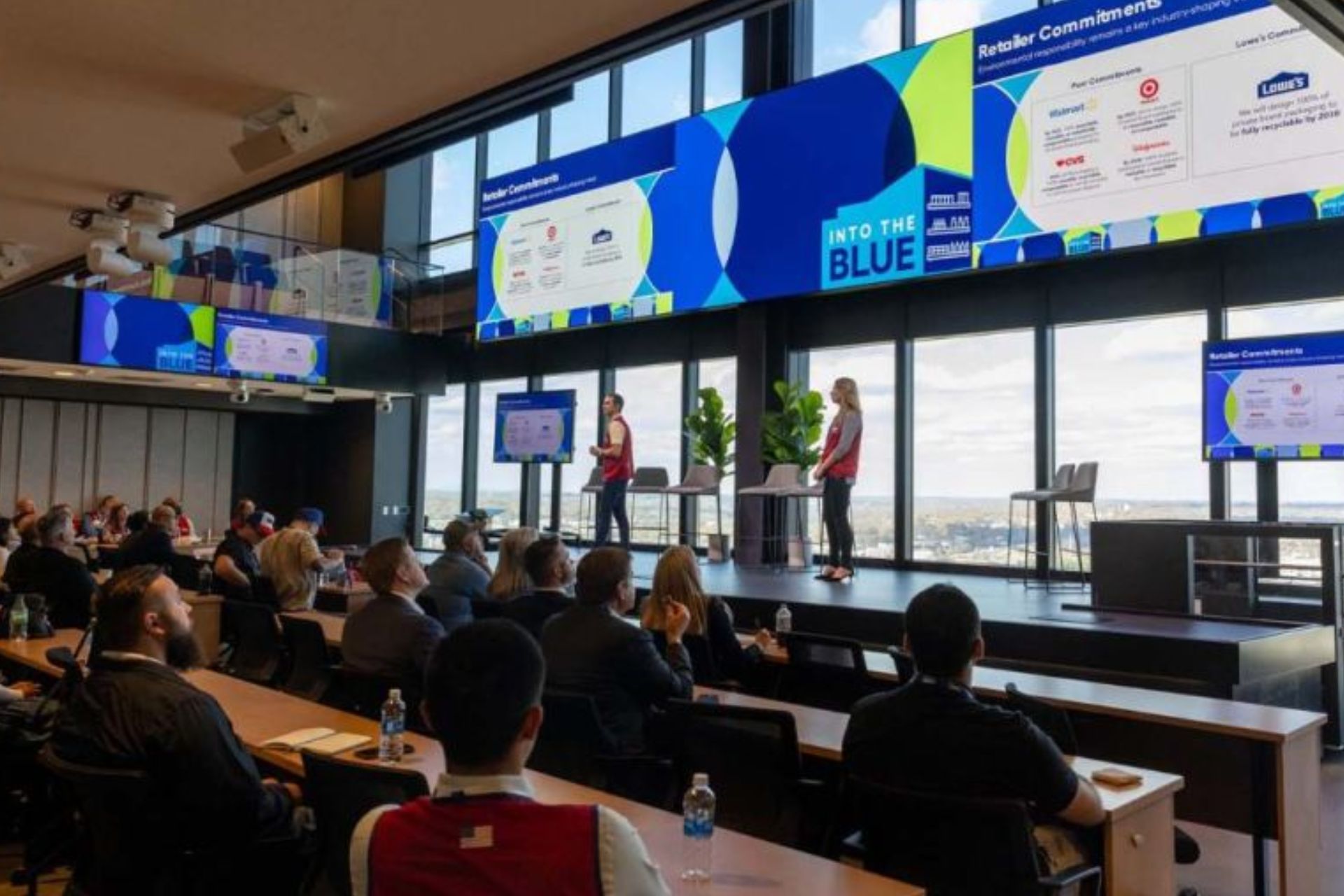
Product discussion during Lowe’s Into the Blue 2026
Lowe’s Into the Blue 2026 in a changing home improvement market
Lowe’s recent results show a business still growing in areas such as Pro customers, online sales and home services, even as discretionary DIY demand remains under pressure. That combination is making product selection more important because retailers have to balance consumer interest with the practical economics of carrying and replenishing a range.
Into the Blue 2026 gave the SSR team a closer view of that environment and of the role product development now plays within it. The experience will feed into future work across wood surfaces and outdoor living, where decisions made before production can have a lasting effect on how well a product performs once it reaches the market.
Looking Ahead
Into the Blue 2026 added another layer of market context to the way SSR looks at product development. The conversations around retail expectations, category fit and program readiness will continue to inform how future wood surface and outdoor living programs are reviewed.
As the home improvement market becomes more selective, the connection between market understanding and manufacturing will matter even more. Staying close to those conversations helps SSR bring a clearer perspective into the programs it develops with partners across different markets.
Learn more: ssr.vn
Contact: [email protected]