The European workplace is changing, and furniture is becoming part of a much larger conversation.
Hybrid working arrangements, greater expectations for employee well-being, and the demand for flexible interiors are influencing how offices and commercial environments are designed. Furniture is no longer selected solely to fill a space. It must support different activities, adapt to changing needs, and contribute to an environment where people want to work.
These developments will take center stage at ORGATEC 2026, scheduled for October 27–30 at Koelnmesse in Cologne, Germany.
The international trade fair will bring together furniture manufacturers, architects, interior designers, developers, and workplace professionals to explore the next generation of office and contract environments.
With approximately 500 exhibiting companies from around 40 countries expected to participate, ORGATEC 2026 offers a timely perspective on the direction of European workplace design and the opportunities emerging for international furniture and materials suppliers.
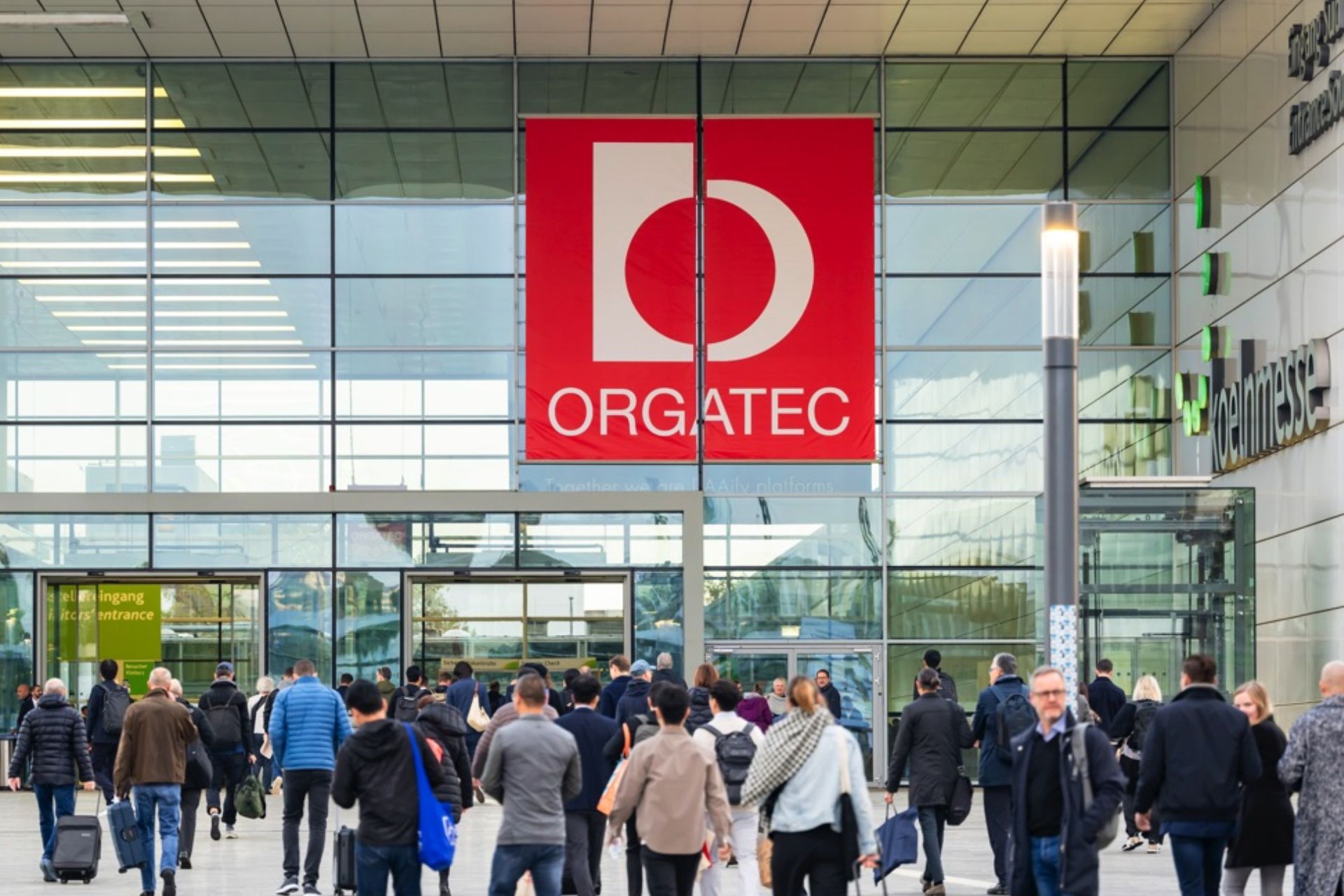
ORGATEC 2026 Germany international office furniture and workplace design trade fair in Cologne.
Source: designweekguide.com
ORGATEC is held every two years in Cologne and has established itself as a major international meeting point for the office furniture and contract interiors industries.
The 2026 edition introduces its first overarching theme: “From rooms to relationships: designing spaces in an ever-changing world.”
The message reflects a fundamental shift in how workplaces are being planned. Offices are increasingly expected to encourage interaction, support individual concentration, and accommodate different working patterns within the same environment. The exhibition will address contemporary workplace challenges through furniture innovation, sustainable design, technology, and new approaches to human-centered spaces.
This year’s exhibition will organize its offering around two main areas: Workspace Solutions and Contract Solutions.
Workspace Solutions covers office and conference furniture, acoustic systems, modular work areas, and equipment designed for hybrid working environments. Contract Solutions extends the discussion to professionally designed interiors in hotels, hospitality venues, public buildings, reception areas, and other commercial spaces.
The expanded scope makes ORGATEC 2026 relevant beyond traditional office furniture. It reflects the growing connection between workplace products, architectural materials, and commercial interior design.
Why European Offices Are Moving Toward Flexible Furniture
The conventional office layout is being reconsidered as employers rethink how physical workspaces should function.
Fixed desks and meeting rooms still have a place, but many contemporary offices also need informal collaboration areas, quiet work zones, multipurpose tables, and adaptable furniture.
These spaces are designed to serve different activities without requiring extensive renovations whenever an organization’s needs change.
Modular office furniture is particularly relevant to this transition. Work surfaces, shelving systems, partitions, and storage components can be configured to accommodate different layouts and functions.
The challenge for furniture manufacturers is to create products that combine design flexibility with practical construction, durability, and consistent quality.
ORGATEC 2026 will explore these challenges through product presentations, discussions, and the Wherever Whenever – Work Culture Festival, organized by the German Interior Business Association (IBA).
The festival will focus on employee experience, connected workplace cultures, and the influence of sustainability and technological innovation on future work environments.
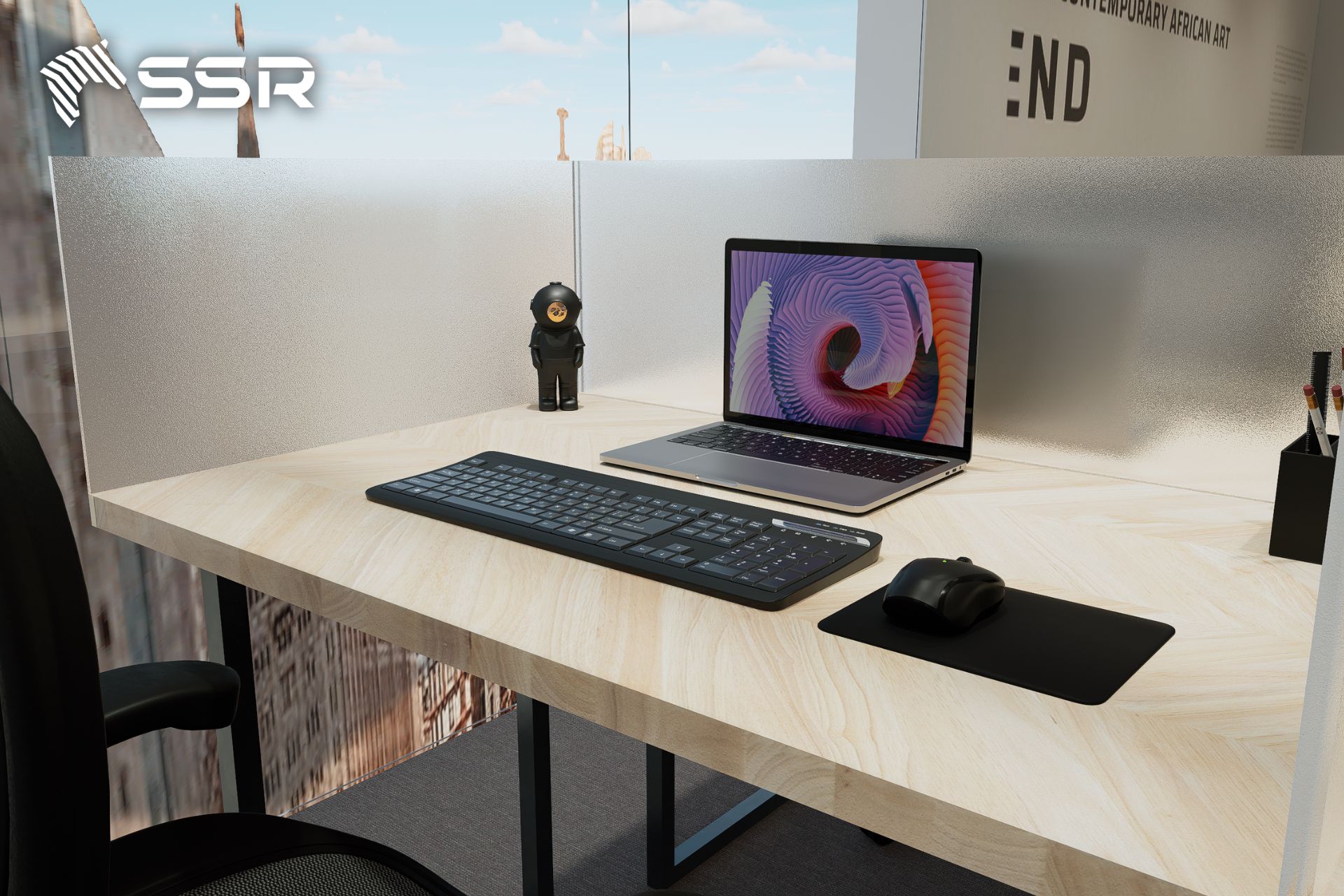
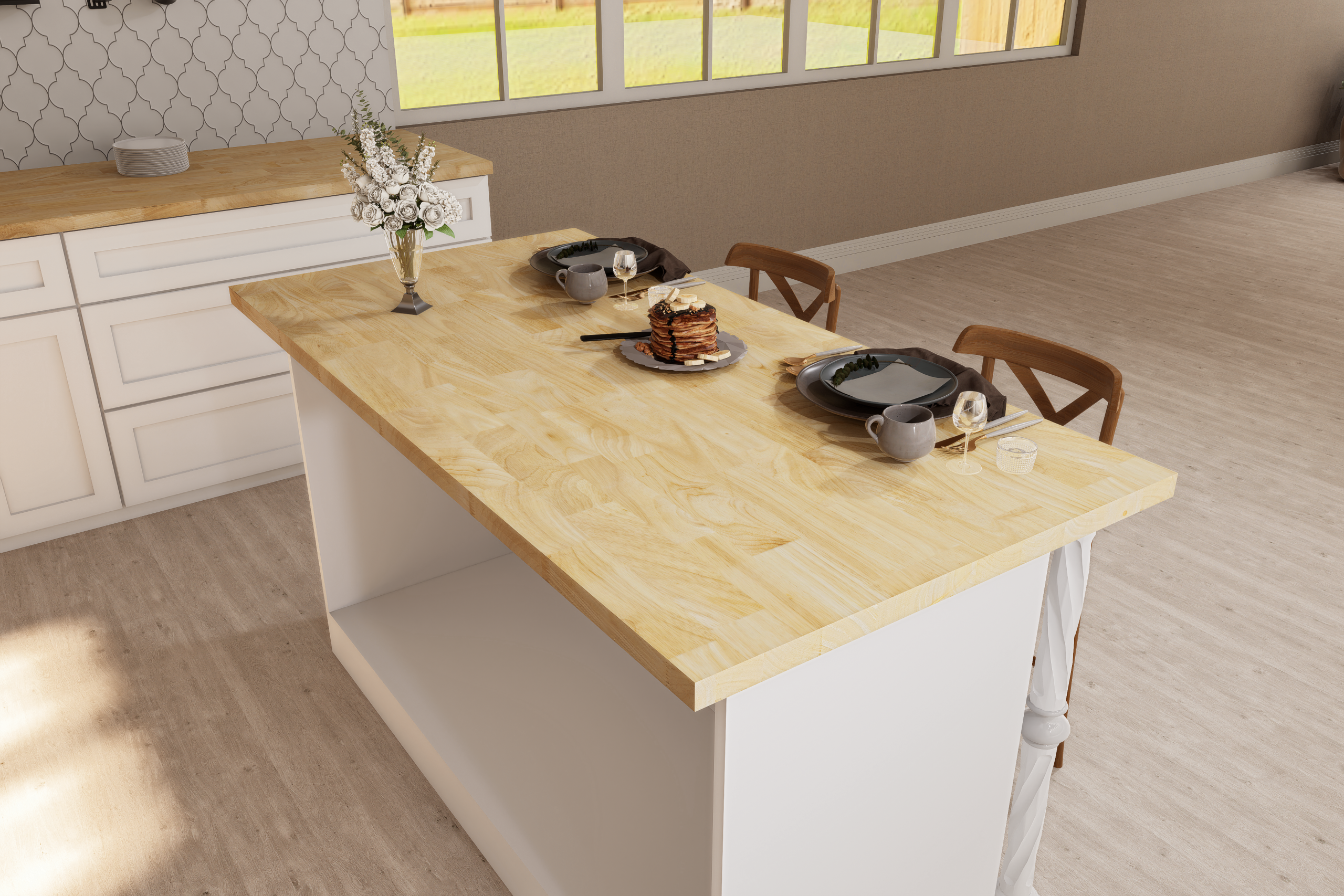
European office furniture trends 2026 featuring modular desks, natural wood surfaces and flexible workplace interiors.
Natural Wood Materials in Modern Office Furniture
Furniture innovation is closely connected to the materials used in its construction.
Modern office interiors increasingly combine metal, glass, textiles, engineered materials, and natural finishes to balance functionality with visual appeal.
Wood remains a versatile option for furniture manufacturers because of its wide range of applications, from desk surfaces and conference tables to shelving and storage components.
Solid wood and finger joint wood panels can be used in selected commercial furniture applications where their construction and performance characteristics meet the approved product specification.
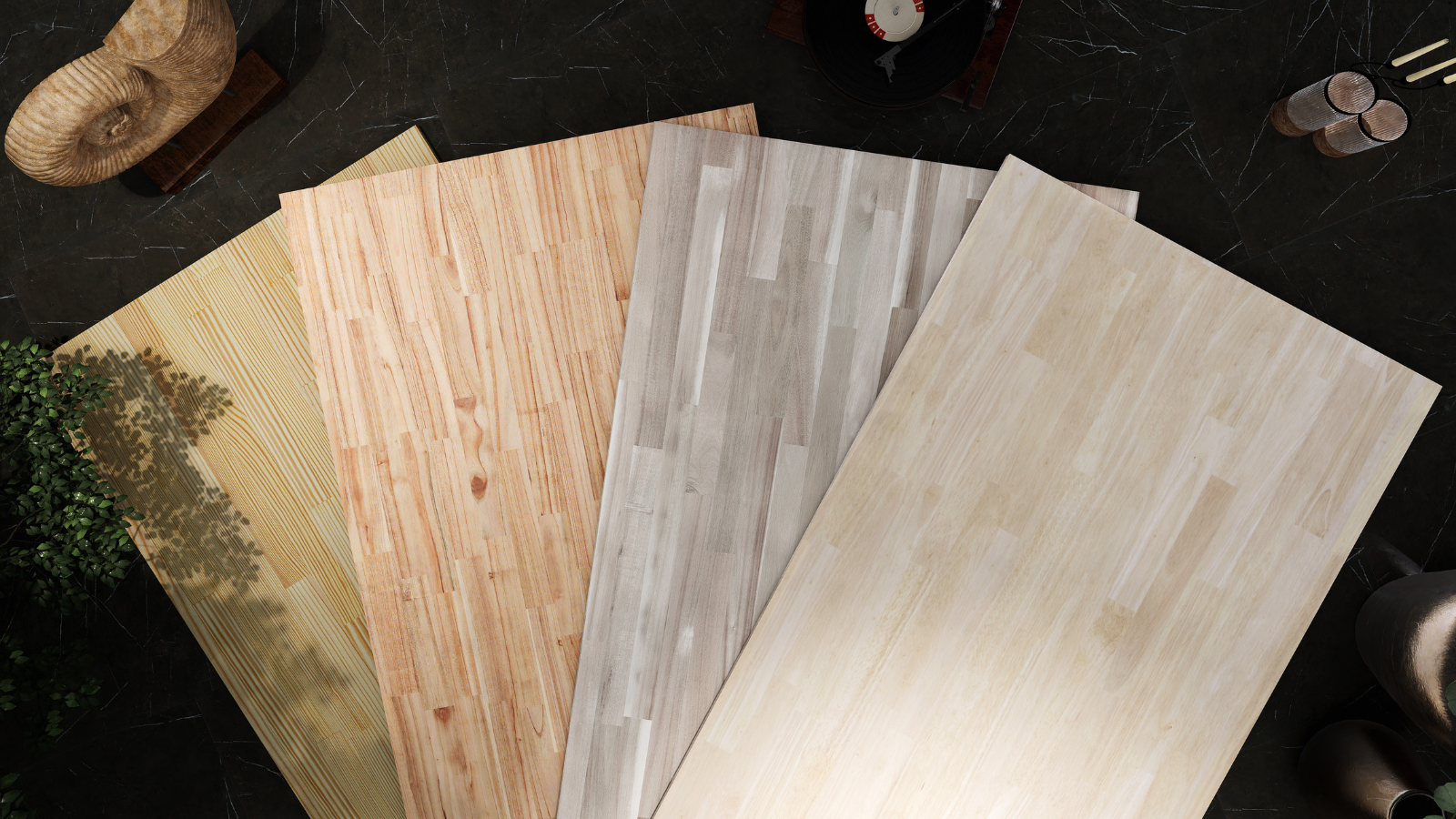
Rubberwood and acacia, for example, offer different visual qualities. Rubberwood typically has a relatively light and uniform appearance, while acacia features more pronounced grain patterns and color variation. These differences allow furniture brands to develop collections suited to different design concepts. Material selection for commercial furniture, however, involves more than appearance.
Moisture content, dimensional consistency, surface finishing, structural support, and the intended working environment must all be considered during product development.
Large desk tops and conference tables may also require specific panel construction methods, thicknesses, and edge profiles to meet design and performance expectations.
The conversations expected at ORGATEC 2026 highlight why manufacturing capabilities remain important as furniture designs become more adaptable and application-specific.
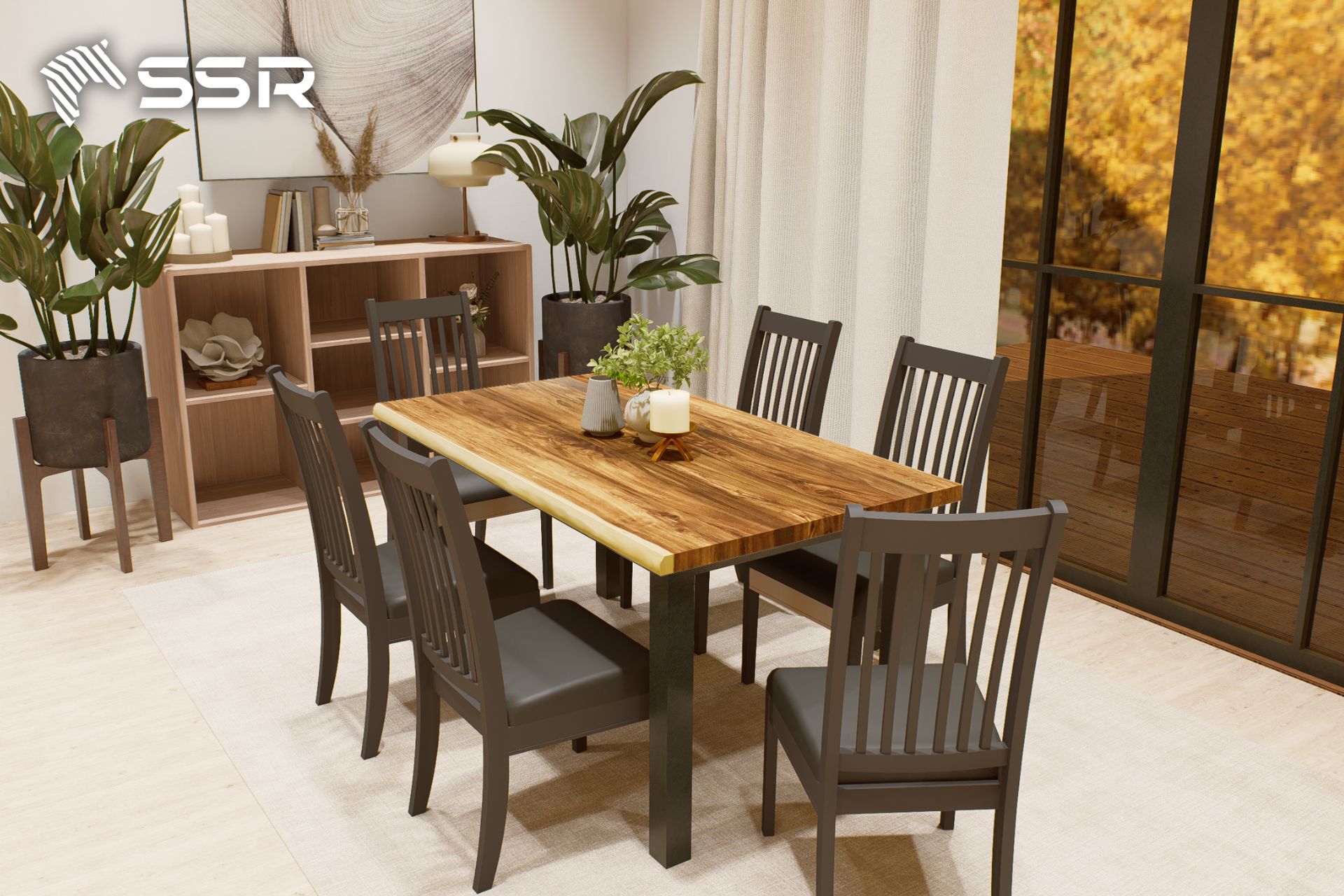
Acacia solid wood board can provide distinctive appearance options for desk tops, tables, shelving, and selected commercial furniture applications
Sustainability and Product Longevity Shape Contract Furniture
Environmental considerations are an important part of the discussion surrounding European workplace design.
Furniture manufacturers and project buyers increasingly need to consider how products are sourced, constructed, maintained, and eventually replaced or refurbished.
The ORGATEC 2026 theme connects sustainability with the ability of spaces to adapt over time. Flexible furniture systems, replaceable components, and durable materials can help reduce the need for complete interior replacements when workplace requirements change.
The distinction matters for wood furniture manufacturers.
A well-designed product should not only meet initial appearance requirements but also maintain appropriate performance throughout its intended service life.
Depending on the application, manufacturers may need to demonstrate compliance with relevant product safety standards, provide material traceability information, or meet project-specific environmental requirements.
Wood sourcing documentation and responsible forest management claims also need to be supported by appropriate evidence.
ORGATEC 2026 is expected to bring these considerations into the broader conversation about how furniture and commercial interiors can become more adaptable, resource-conscious, and durable.
What ORGATEC 2026 Means for Furniture Manufacturers and Suppliers
The evolving European office furniture industry creates opportunities for manufacturers capable of producing materials and components to consistent commercial specifications.
A furniture brand developing a modular desk collection may require repeatable surface dimensions and finishes. An interior contractor supplying conference rooms could need custom table tops, shelving systems, or cabinetry components manufactured to approved drawings.
Distributors also need dependable supply planning, particularly when products are sold across multiple markets or reordered for ongoing commercial projects.
For these businesses, manufacturing capability extends beyond production volume.
Consistent dimensions, controlled moisture content, approved finishing standards, suitable packaging, and reliable documentation are essential considerations when working with international supply partners.
ORGATEC 2026 provides a useful setting for understanding these requirements as brands present products for increasingly diverse workplace and commercial interior applications.
The event is not a forecast of demand for any particular wood product. However, its emphasis on adaptable furniture and contract solutions gives manufacturers a clearer view of the technical and commercial questions shaping product development.
How SSR Supports Wood Components for International Furniture Programs
The changing direction of European workplace design is relevant to SSR’s Wood Panel and Wood Surface manufacturing programs.
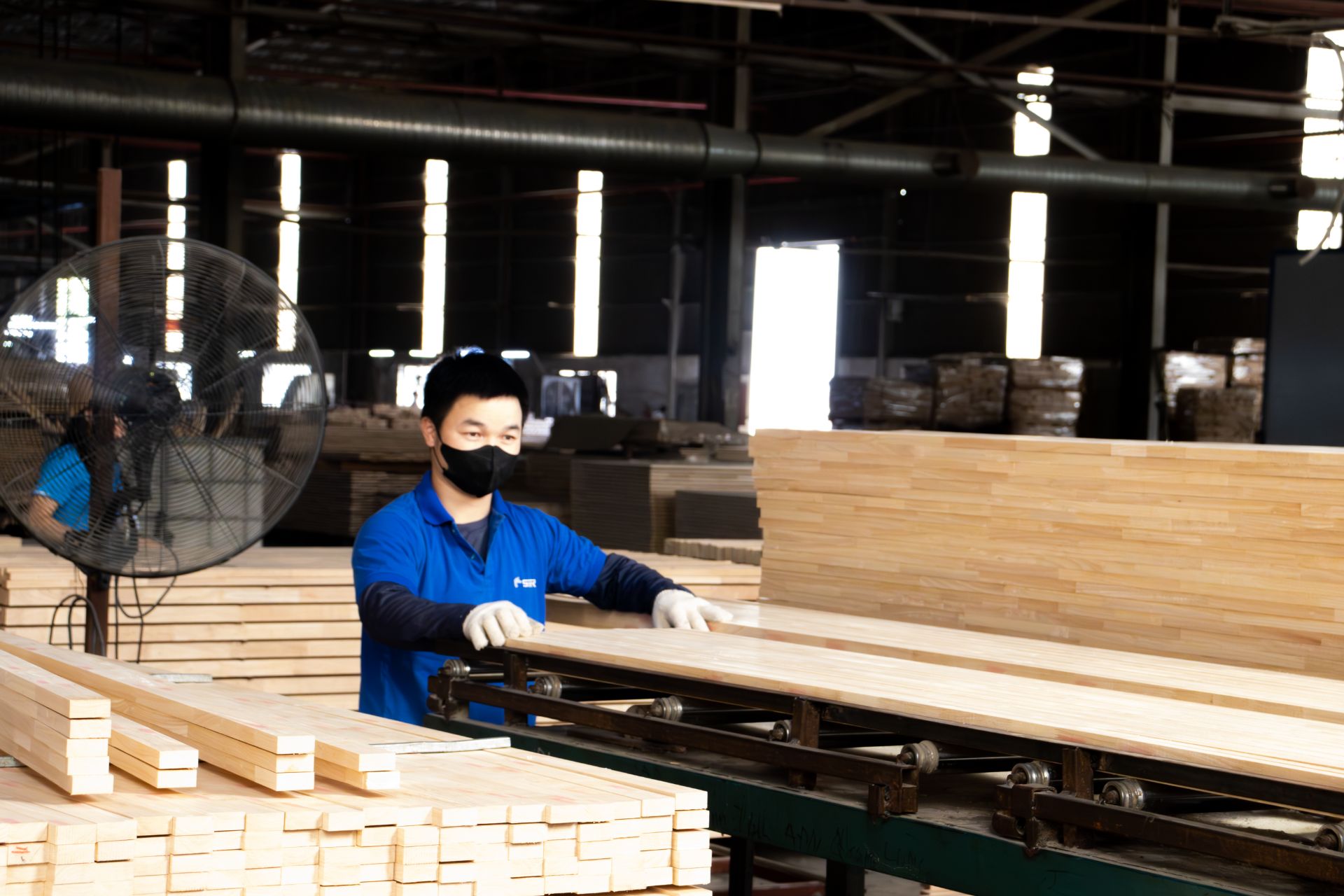
SSR manufactures and develops wood products in Vietnam for international distributors, furniture manufacturers, and OEM/ODM partners.
Its product portfolio includes finger joint wood boards, solid wood panels, desk tops, table tops, shelving, and other wood surfaces made from species such as rubberwood and acacia.
Manufacturing options include customized dimensions, wood stave selection, appearance grades, machining, sanding, and finishing according to approved product specifications.
These capabilities allow furniture manufacturers to develop components for office and commercial applications without relying entirely on standard retail dimensions.
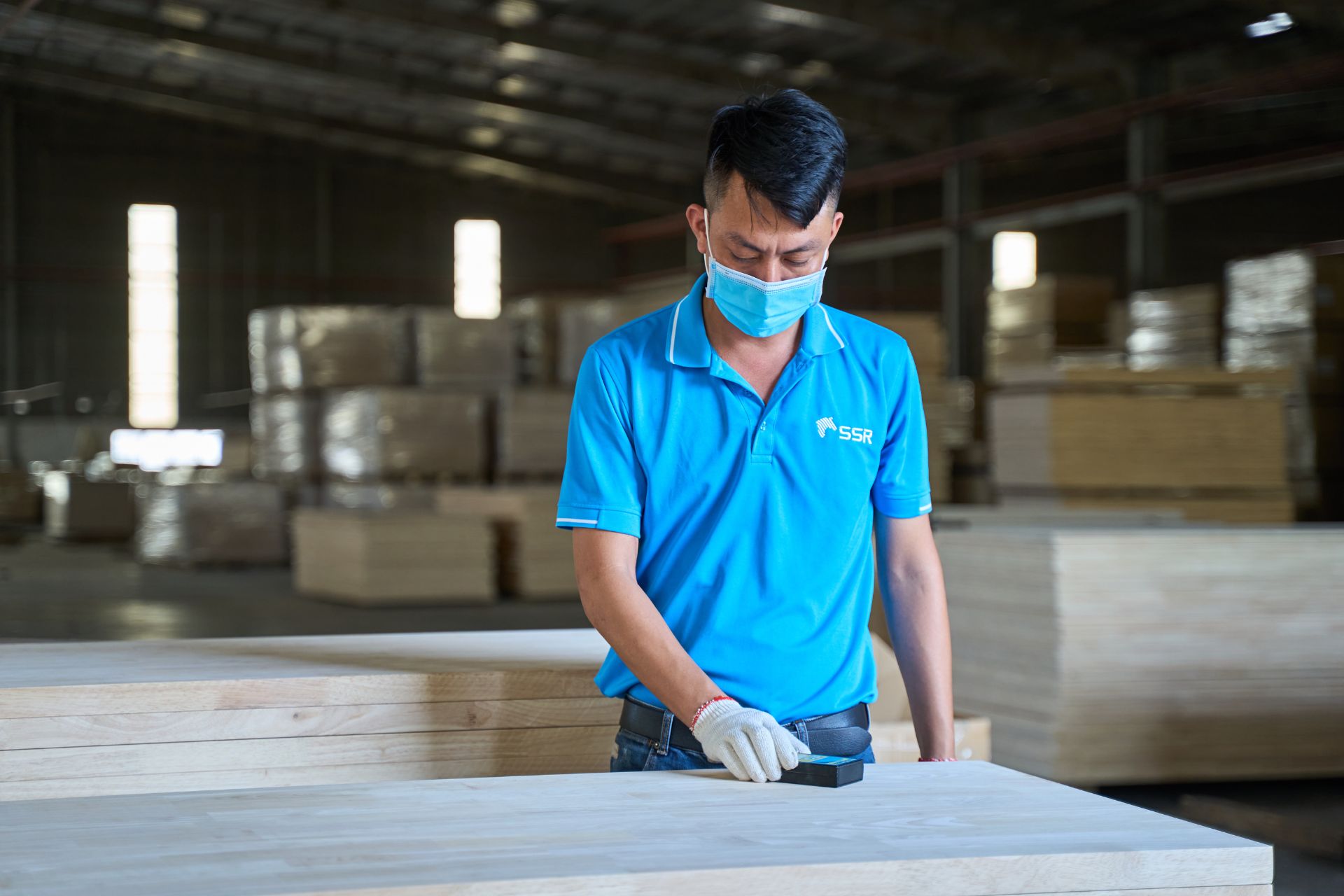
SSR Vina – Solid Hardwood Manufacturer for Europe Furniture and Building Material from Vietnam
SSR’s approach emphasizes production consistency, quality control, and repeat-order planning, helping partners build supply programs around the requirements of their target markets.
The company is not presenting itself as an exhibitor at ORGATEC 2026. Rather, the event’s focus on flexible furniture and evolving workspaces reflects trends relevant to its international manufacturing partners.
Explore SSR’s manufacturing and product programs or contact the SSR team to discuss wood panels and customized furniture components.
ORGATEC 2026 and the Next Chapter of European Workplace Design
ORGATEC 2026 arrives at a time when the role of office and commercial interiors is being reconsidered.
Flexible layouts, employee experience, adaptable furniture, and responsible material choices are influencing the direction of workplace design.
The exhibition’s focus on relationships rather than rooms reflects a broader understanding that successful workplaces must respond to people as well as practical business requirements.
For furniture manufacturers and material suppliers, these developments reinforce the importance of product versatility, consistent manufacturing, and collaboration with designers and distributors.
When ORGATEC opens in Cologne on October 27, it will provide an international platform to examine how these priorities are being translated into furniture, materials, and commercial interior solutions.
Frequently Asked Questions About ORGATEC 2026
When and where is ORGATEC 2026 taking place?
ORGATEC 2026 is scheduled for October 27–30, 2026, at Koelnmesse in Cologne, Germany. The event is open to professional trade visitors. Official visitor hours are 9:00 a.m. to 6:00 p.m. daily.
What is the main theme of ORGATEC 2026?
The theme is “From rooms to relationships: designing spaces in an ever-changing world.” It focuses on human-centered workplace design, changing work patterns, adaptability, and sustainability.
What products will be presented at ORGATEC 2026?
The exhibition covers office furniture, conference and meeting solutions, ergonomic equipment, acoustic systems, modular workspaces, interior materials, and furniture for commercial and contract environments.
Why is ORGATEC relevant to wood furniture manufacturers?
Office and contract furniture products may incorporate wood desk tops, table surfaces, shelving, and furniture components. ORGATEC offers insight into changing design requirements and the manufacturing capabilities needed to support different commercial applications.