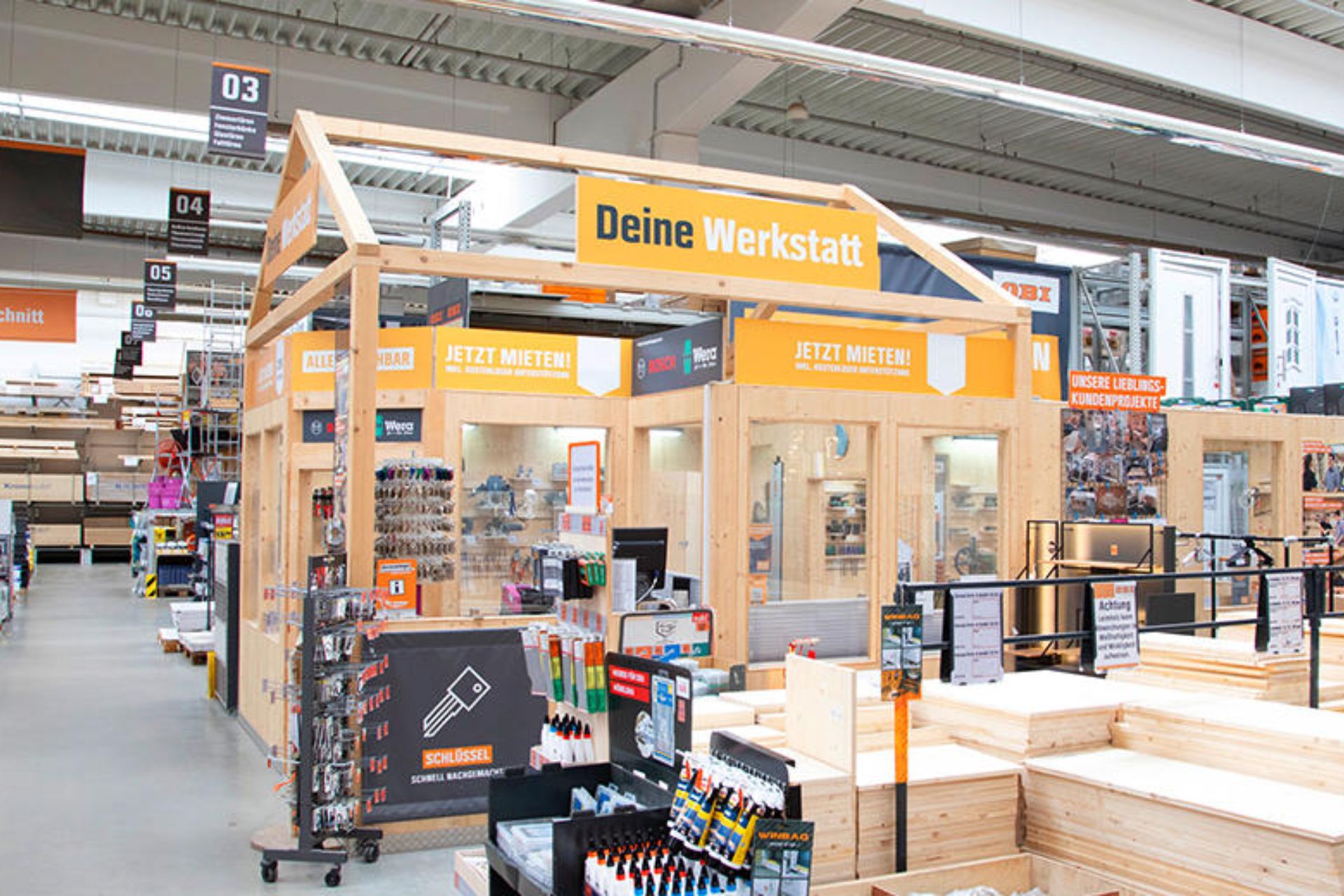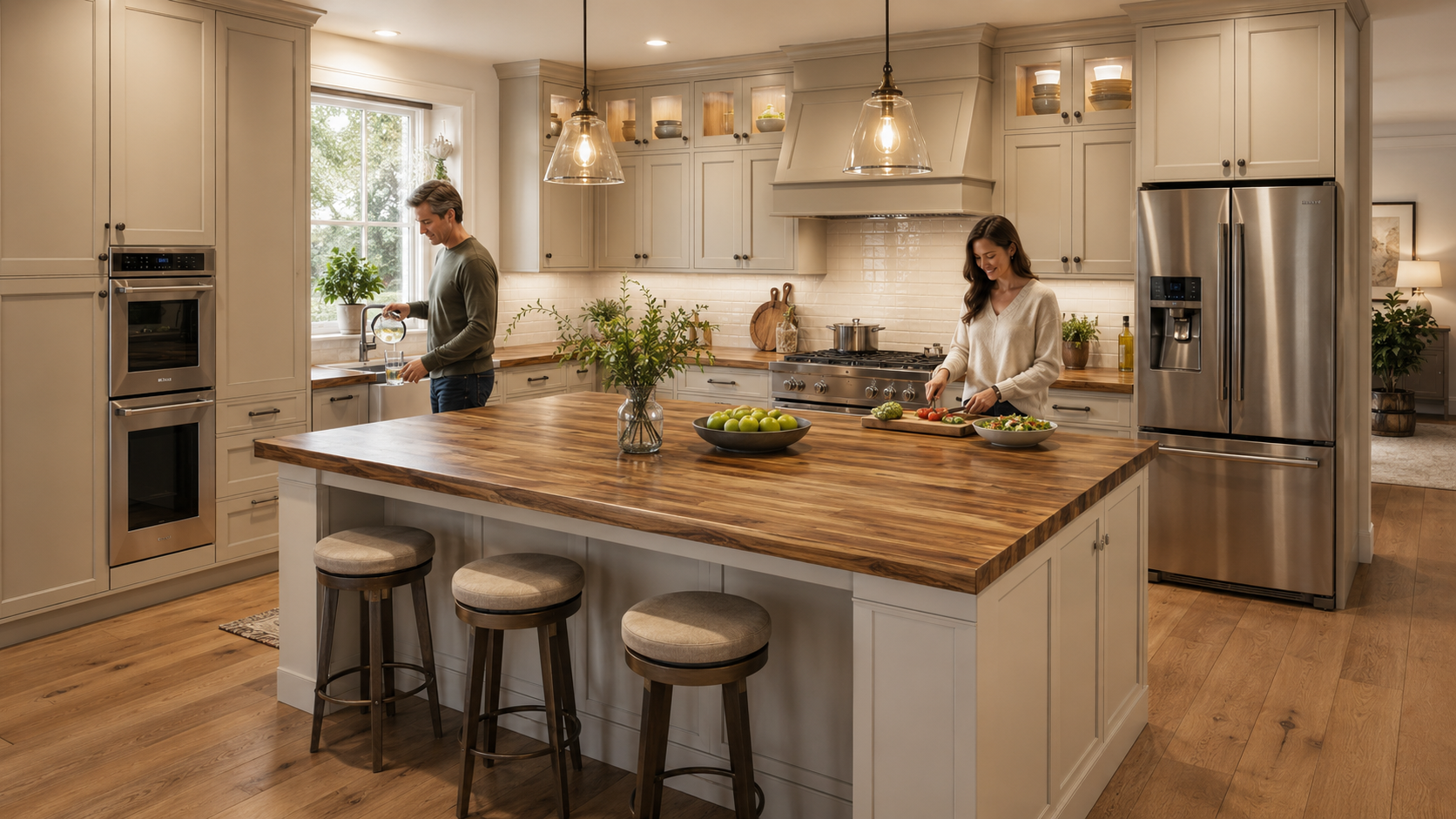
Acacia Butcher Block Countertops fit naturally into the U.S. market because they answer several things consumers often look for in a wood surface: visible natural grain, warmth, versatility and the ability to work across different kitchen and home projects.
But appearance alone does not explain why butcher block continues to have a place in the U.S. countertop category.
The product also fits the way many American consumers approach home improvement. Some want a finished kitchen surface. Others want a material they can cut, stain, seal or adapt to their own project. Some use butcher block as the main countertop, while others introduce it only on a kitchen island to create contrast against stone or engineered surfaces.
For retailers, distributors and importers, understanding these consumer behaviors is important when deciding which Acacia butcher block program is most likely to work in the market.
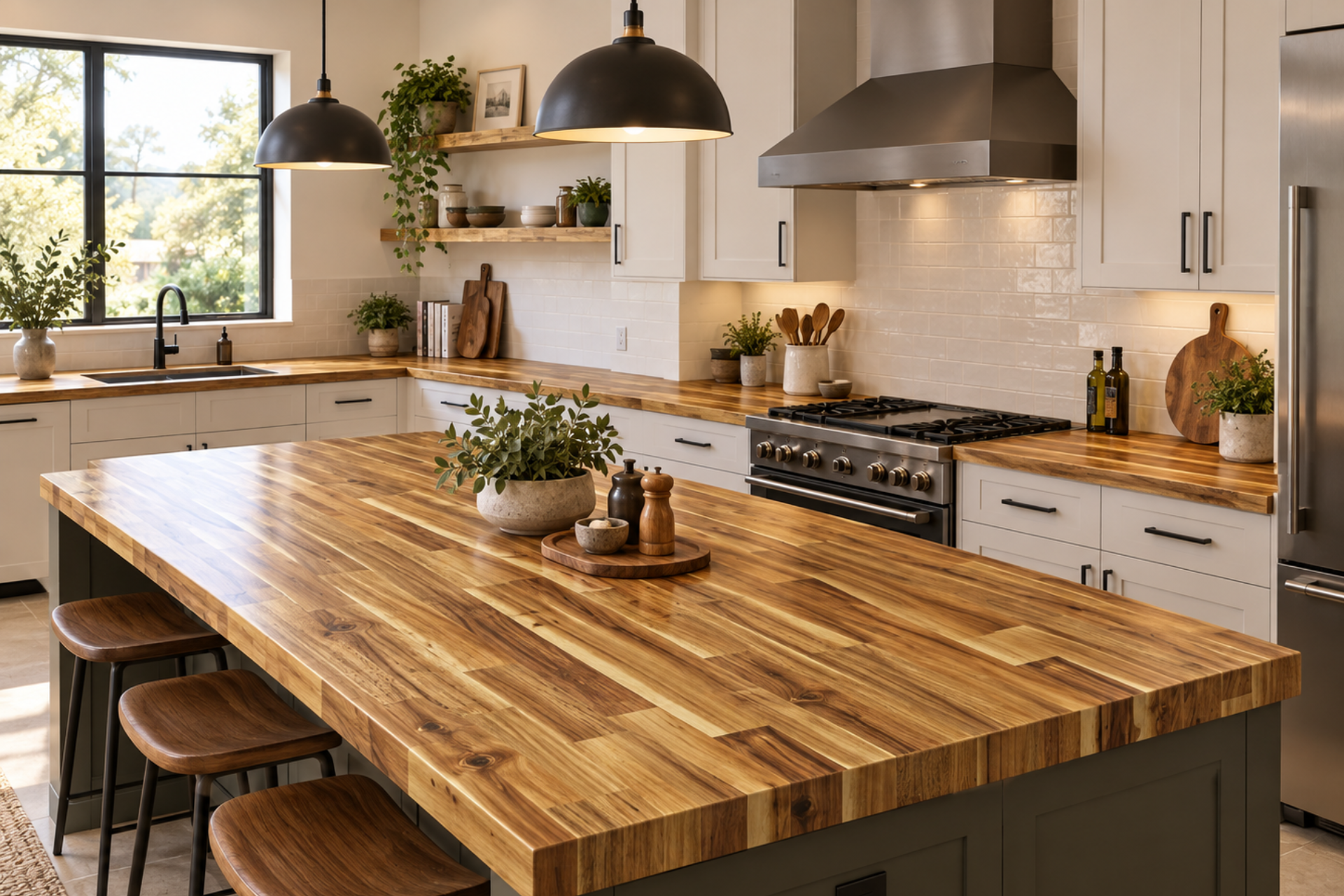
Acacia butcher block countertop in a modern U.S.-style kitchen.
U.S. Consumers Are Buying More Than a Countertop
A butcher block surface can enter the home in several different ways.
The kitchen remains the most obvious application, but consumers increasingly think about wood surfaces as flexible materials rather than products limited to one room.
A butcher block panel may become:
- a kitchen countertop
- a kitchen island
- a breakfast bar
- a desk
- a workbench
- a vanity top
- a dining or utility surface
- part of a DIY furniture project
This flexibility is especially important in the U.S. home improvement market.
Consumers may discover the product while searching for a countertop and later realize that the same surface can be used for another project.
That broadens the commercial potential of the category.
For a retailer or distributor, one wood surface program can therefore serve several consumer needs without requiring a completely different product platform for every application.
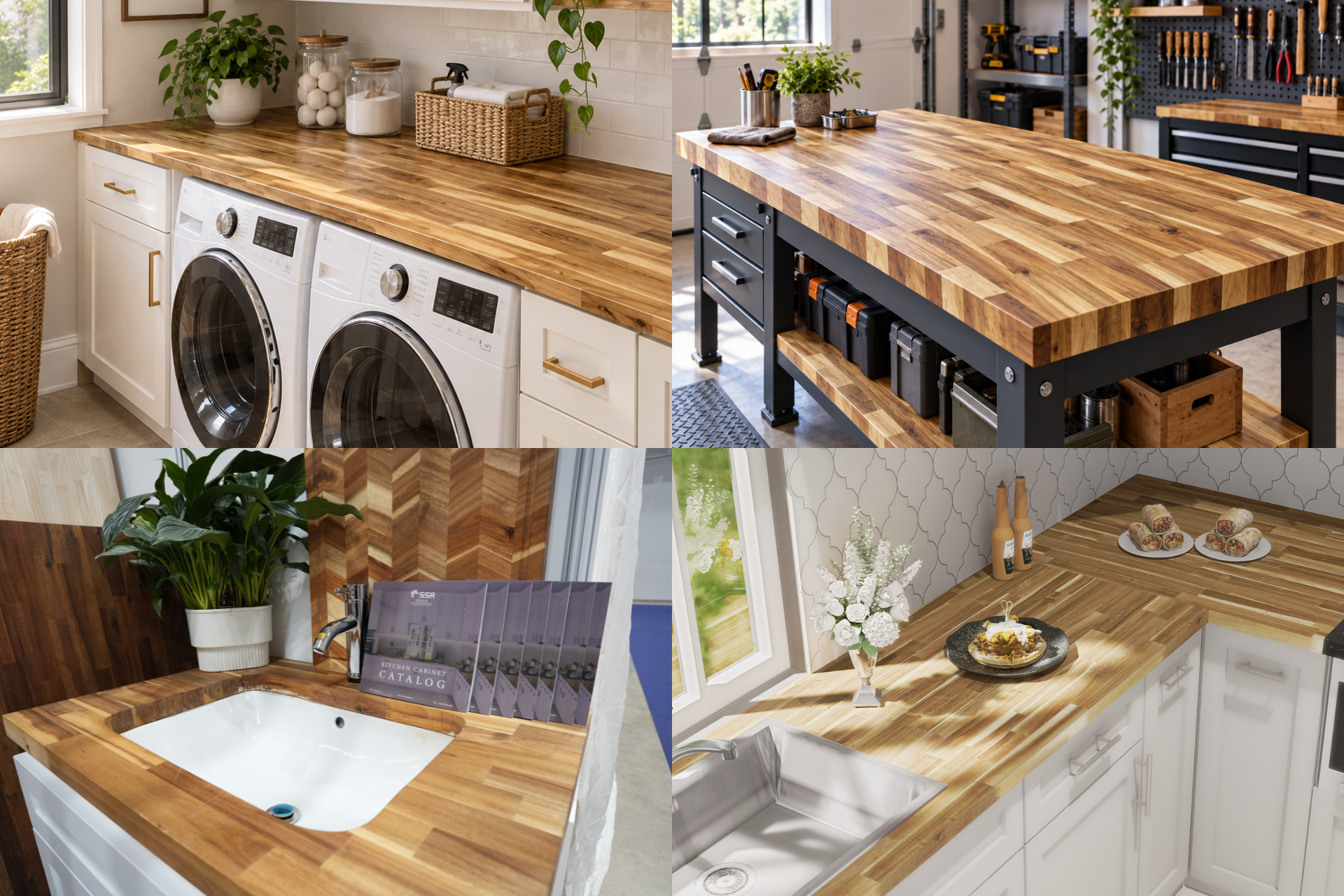
Acacia butcher block used across a kitchen island, desk and workbench setting.
The Natural Look Is Part of the Buying Decision
When consumers choose real wood, they usually do not expect the surface to look perfectly uniform.
They often want the opposite.
Visible grain, tonal differences and natural variation are part of what makes a wood countertop feel different from laminate, quartz or other engineered materials.
Acacia is particularly suitable for this type of preference because the wood can show a wide range of warm tones and noticeable grain movement.
That visual character can work well in several interior styles common in the U.S., including: warm contemporary kitchens, modern farmhouse interiors, natural minimalist spaces, rustic-inspired rooms, and kitchens where wood is used to soften stone, painted cabinetry or metal fixtures.
However, natural variation still needs to remain commercially controlled. Consumers may appreciate character, but they can become disappointed if the product they receive looks dramatically different from what they saw online, in a showroom or on store display. That makes appearance consistency especially important for retail programs.
Kitchen Islands Are an Important Use Case
The kitchen island is one of the most relevant applications for butcher block in the U.S. market, where consumers often use wood as a warmer contrast to stone, quartz or other surrounding surfaces.
This positioning is already visible in major U.S. retail assortments, with retailers such as The Home Depot offering Acacia butcher block specifically in kitchen island formats, alongside standard countertop options.
For consumers, this creates an easier way to introduce real wood into the kitchen without using it across every surface, while the visible grain and warmer tone allow the island to become a stronger visual focal point.
For retailers and distributors, this means Acacia butcher block can be positioned not only as a replacement countertop, but also as a design element for kitchen renovation and remodeling projects.
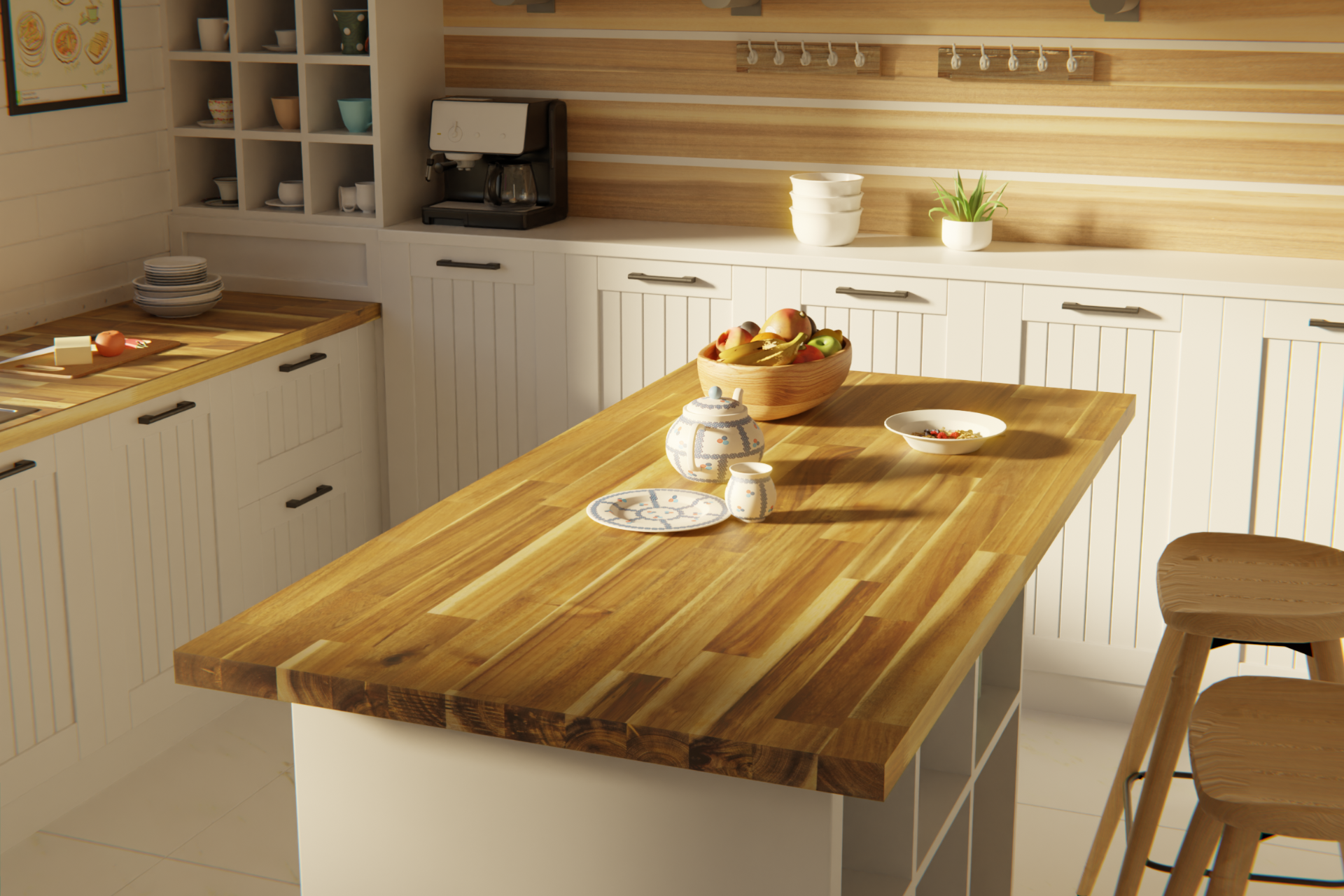
Acacia butcher block island surrounded by lighter stone countertops.
Consumers Want Natural Wood Without Making the Project Too Complicated
Real wood has strong emotional appeal, but consumers also think about practicality.
They want to know:
- How difficult will it be to install?
- Does the surface need to be sealed?
- Will it stain?
- How should it be cleaned?
- How often will it need maintenance?
- Can scratches be repaired?
- Will the wood change over time?
These questions influence purchase decisions.
A beautiful surface can lose appeal if the consumer feels uncertain about how to live with it. This is why a strong butcher block program should consider more than the product itself. Clear finishing options, care instructions and installation information can make the product easier to understand and easier to buy.
For retailers, good product communication can be almost as important as the countertop itself.
Online Shopping Makes Visual Consistency More Important
A growing part of the product evaluation process now happens before consumers ever touch the countertop, as many first discover Acacia butcher block countertops through website images, online marketplaces, digital catalogs or social media.
This creates a specific challenge for natural wood because consumers quickly build expectations around the color, grain and overall appearance shown online. If the delivered product looks noticeably different, they may interpret that variation as a quality issue even when it falls within the normal characteristics of Acacia wood.
For this reason, controlled variation is especially important for Acacia butcher block countertops programs, allowing retailers to preserve the natural character that makes the product attractive while still maintaining enough visual consistency for consumers to recognize the product they originally selected. Photography, grading standards and production control should therefore work together to create a more predictable visual experience from online discovery to final delivery.
Price Matters, but Consumers Still Judge Perceived Value
Consumers rarely evaluate a countertop based on price alone. What matters just as much is the value they believe they are getting in return, including the look, feel and overall character of the material.
Real wood often creates a stronger sense of warmth and authenticity than more uniform surfaces, which can make Acacia butcher block countertops especially appealing to consumers who want a natural material without moving entirely into the premium end of the market. The visible grain, tonal variation and tactile quality of Acacia can make the surface feel more distinctive and substantial, helping the product stand out in a crowded countertop category.
For retailers, the opportunity is therefore not simply to present Acacia butcher block countertops as another material option, but to communicate clearly why its natural appearance and real-wood character offer a different kind of value compared with more standardized surface materials.
Consumers Notice Surface Quality Immediately
Most technical production details are invisible to consumers, but surface quality is something they notice almost immediately. Flatness, sanding quality, joint alignment, edge condition, color consistency and finish all shape the first impression of Acacia butcher block countertops, and these details often determine whether the product feels refined or low quality. This is especially important with butcher block because the construction itself remains visible, so uneven joints, rough sanding or inconsistent finishing cannot easily be hidden by the design.
For buyers evaluating an Acacia butcher block countertops supplier, surface quality therefore has a direct impact on how the product is perceived in a kitchen, showroom or retail environment. A panel may meet basic technical requirements and still underperform commercially if the finished surface does not look clean, consistent and well made.
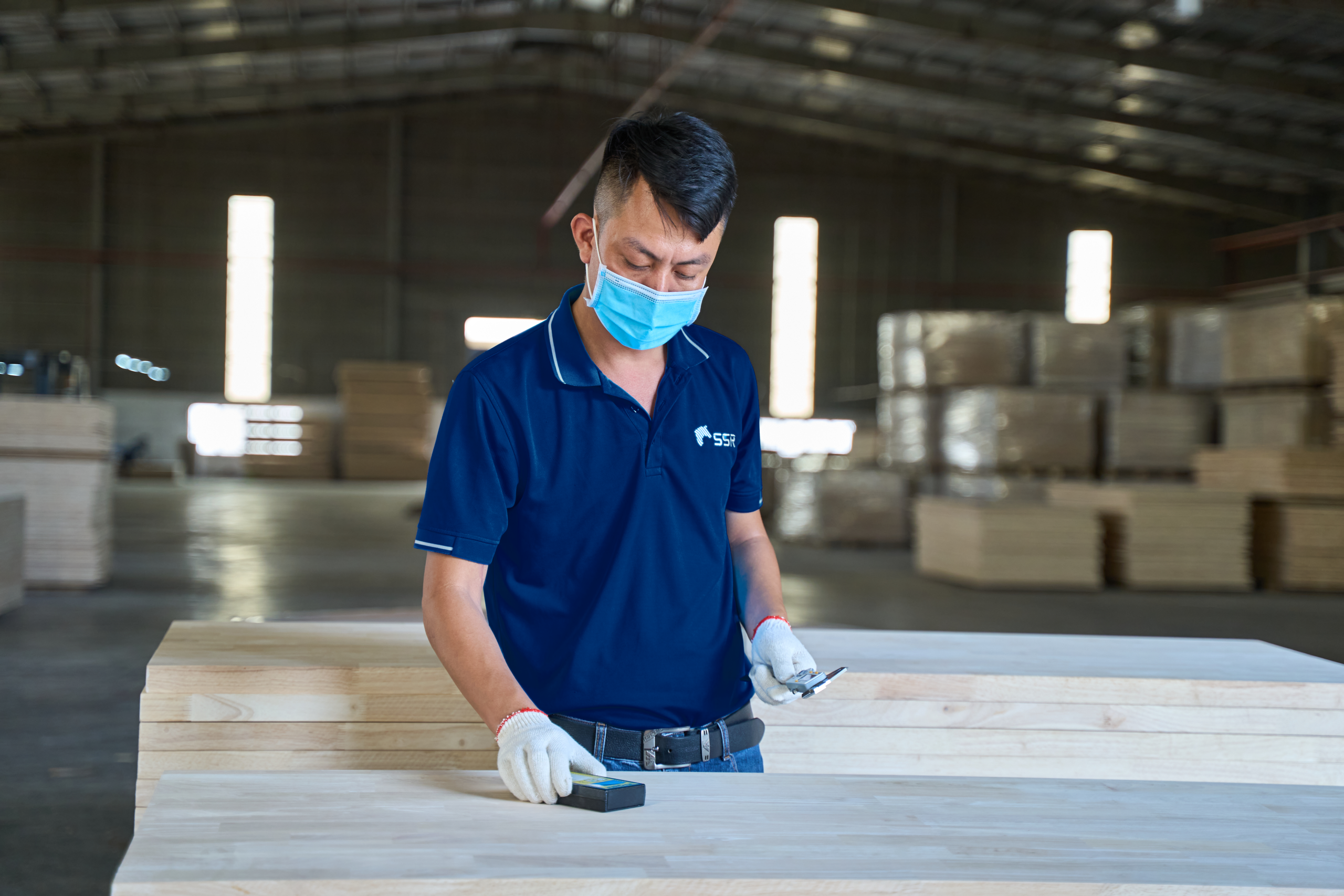
Quality inspection helps ensure each Acacia butcher block countertop meets consistent standards before leaving the factory.
Moisture Stability Becomes a Consumer Experience
Moisture control may seem like a technical manufacturing issue, but from the consumer’s perspective, it quickly becomes part of the overall product experience.
If an Acacia butcher block countertops warps, moves excessively or develops dimensional problems after installation, the customer is unlikely to think about what happened during drying or production; they simply see a countertop that has not performed as expected.
This can lead to returns, complaints and negative reviews, which makes moisture management especially important for products shipped internationally into the U.S. Because the wood may pass through different climates, storage conditions and seasonal humidity levels before reaching the home, a reliable manufacturing program needs to account for those changes early and maintain appropriate control throughout production, storage and final inspection.
Packaging Affects the Product Before the Consumer Even Sees It
Consumers expect a new countertop to arrive in the same condition they saw online or in the store, yet large wood surfaces can pass through several handling points before they ever reach the home.
An Acacia butcher block countertops may move through container loading, warehouses, distribution centers, retail handling and final delivery, and any damage along that journey can affect the customer’s first impression of the product.
A chipped corner, scratched surface or crushed package may have nothing to do with the quality of the wood itself, but it still becomes part of the buying experience. For this reason, packaging needs to do more than protect the product during export; it should be designed around the actual retail and distribution journey, particularly for e-commerce programs where the countertop may be handled multiple times before reaching the consumer.

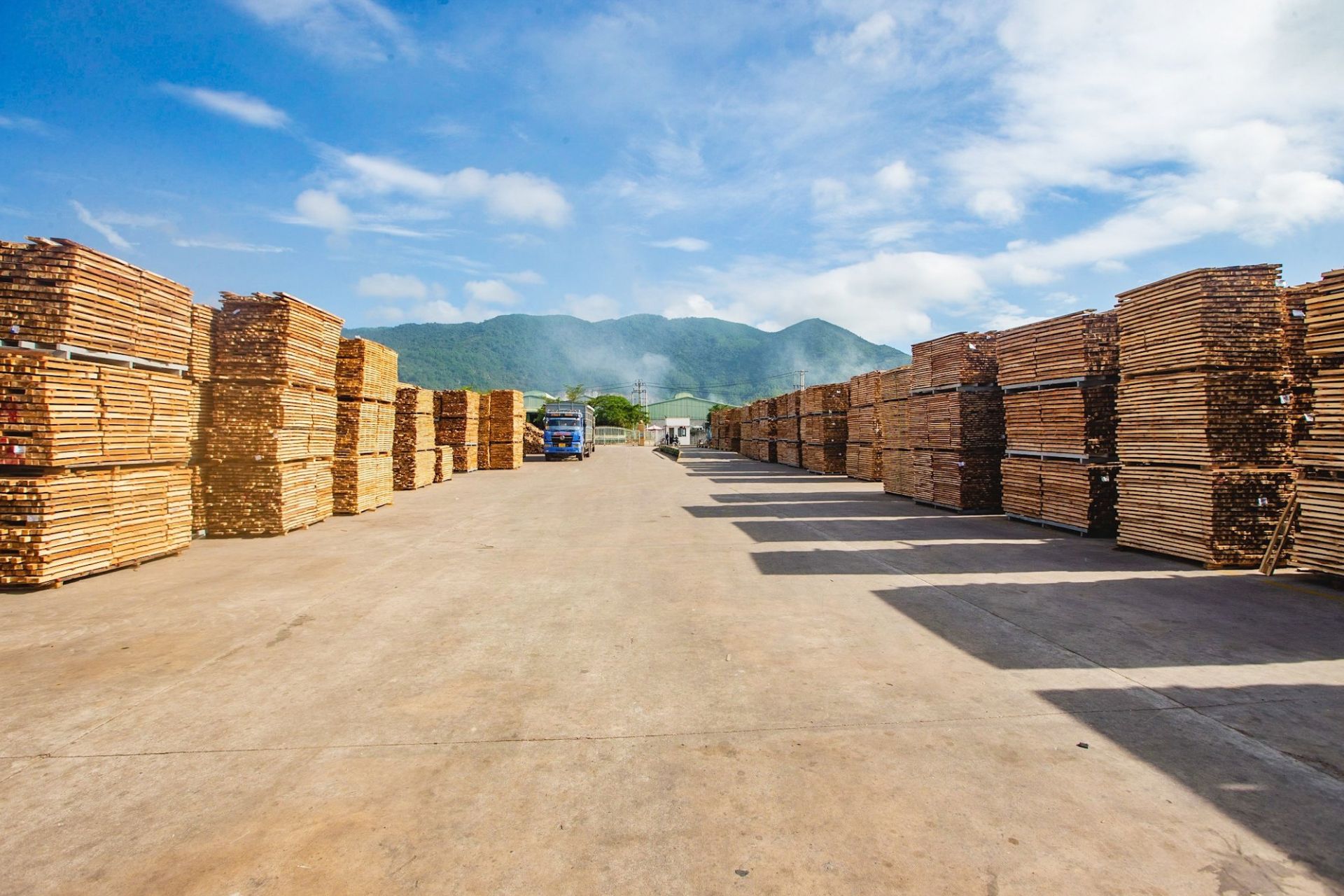
Finished wood surfaces are carefully packed and handled to protect product quality throughout storage, loading and international shipment.
Consistency Matters When Consumers Return to Buy Again
A successful wood surface collection creates a visual expectation over time, and once consumers become familiar with a particular Acacia tone, grain character or finish, they expect future products within the same range to feel connected. This is especially important for retailers building long-term assortments, because a countertop purchased today may later need to coordinate with a kitchen island, table top, shelf or another wood surface from the same collection.
f repeat production changes significantly in color, grain balance or finish, the range can begin to feel disconnected even when each individual product is technically acceptable.
Maintaining consistency in Acacia butcher block countertops therefore supports more than quality control; it helps retailers protect assortment continuity, strengthen product recognition and give customers greater confidence when returning to the same collection.
What Should Buyers Expect From an Acacia Butcher Block Supplier?
A strong Acacia butcher block countertops supplier should bring more to the relationship than the ability to manufacture a large number of product variations.
What matters is whether the supplier understands what happens after the countertop leaves the factory and how those decisions affect the customer experience in the U.S. market.
That includes understanding how consumers evaluate natural wood, why visual variation needs to be controlled, how different finishes appeal to DIY and installation-ready buyers, and why packaging can directly influence returns and product reviews. It also means maintaining a recognizable level of surface quality, color and finishing across repeat shipments.
For retailers, distributors and importers, this market awareness is what turns manufacturing capability into a program that can remain reliable as the assortment grows.
Why Acacia Butcher Block Countertops Fit the U.S. Market
Acacia butcher block countertops fit the U.S. market because they connect with several consumer preferences at the same time, combining visible real-wood character with the flexibility to work across both functional and decorative applications.
The material can be used for kitchen countertops and islands, while also adapting naturally to desks, workbenches, table tops and other home improvement projects. Its visible grain and warm tonal variation give consumers an immediate sense of natural wood, while finished and unfinished options can serve different buying behaviors, from DIY projects to more complete kitchen programs.
For buyers, the opportunity is therefore not simply to add another Acacia product to the assortment, but to build a program around the way American consumers actually discover, compare, purchase and use butcher block surfaces.
SSR develops Acacia Butcher Block Countertops and broader wood surface programs with these market requirements in mind, connecting product development with the applications, retail environments and consumer expectations the finished product will ultimately face.
Planning an Acacia butcher block countertops program for the U.S. market? Share your target channel and product direction with SSR to discuss the right approach for your assortment.
Frequently Asked Questions
1. Why do U.S. consumers choose butcher block countertops?
Many consumers are attracted to the warmth, visible grain and natural character of real wood. Butcher block can also be adapted for kitchens, islands, desks, workbenches and DIY projects.
2. Why is Acacia suitable for butcher block countertops?
Acacia has noticeable grain movement and warm natural color variation, giving the surface a distinctive appearance that works across several interior styles.
3. Are finished or unfinished butcher block countertops more suitable for the U.S. market?
Both have a place in the market. Unfinished products often appeal to DIY-focused consumers, while finished surfaces can be better suited to consumers who want a simpler path to installation.
4. What concerns consumers most about wood countertops?
Appearance, maintenance, water exposure, installation, surface durability and how closely the delivered product matches what they saw before purchasing can all influence the buying decision.
5. What should retailers look for in an Acacia butcher block supplier?
Retailers should evaluate visual consistency, surface quality, moisture control, finishing, packaging and the supplier’s ability to maintain the same standard across repeat production.
Learn more: ssr.vn
Contact: [email protected]