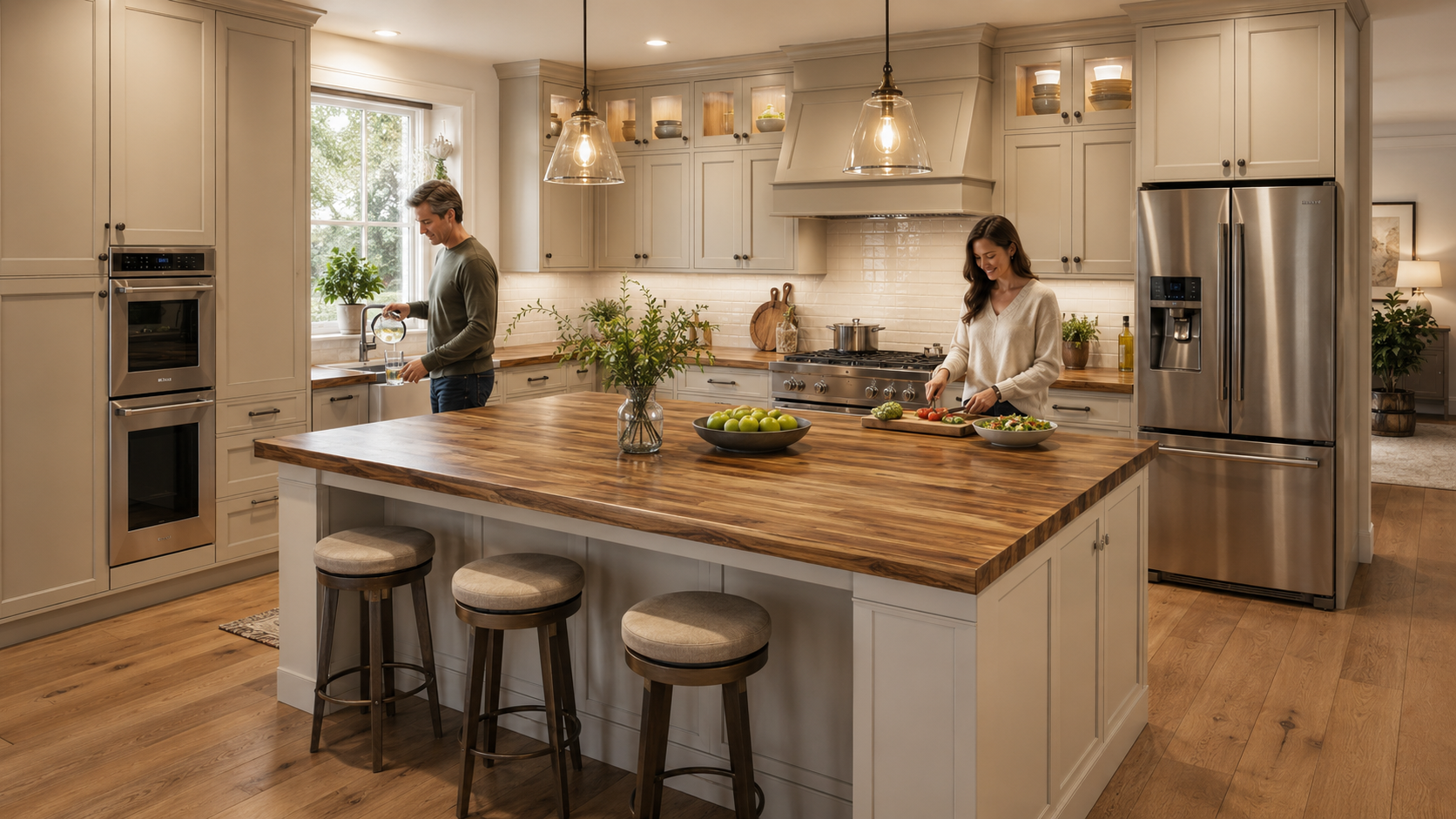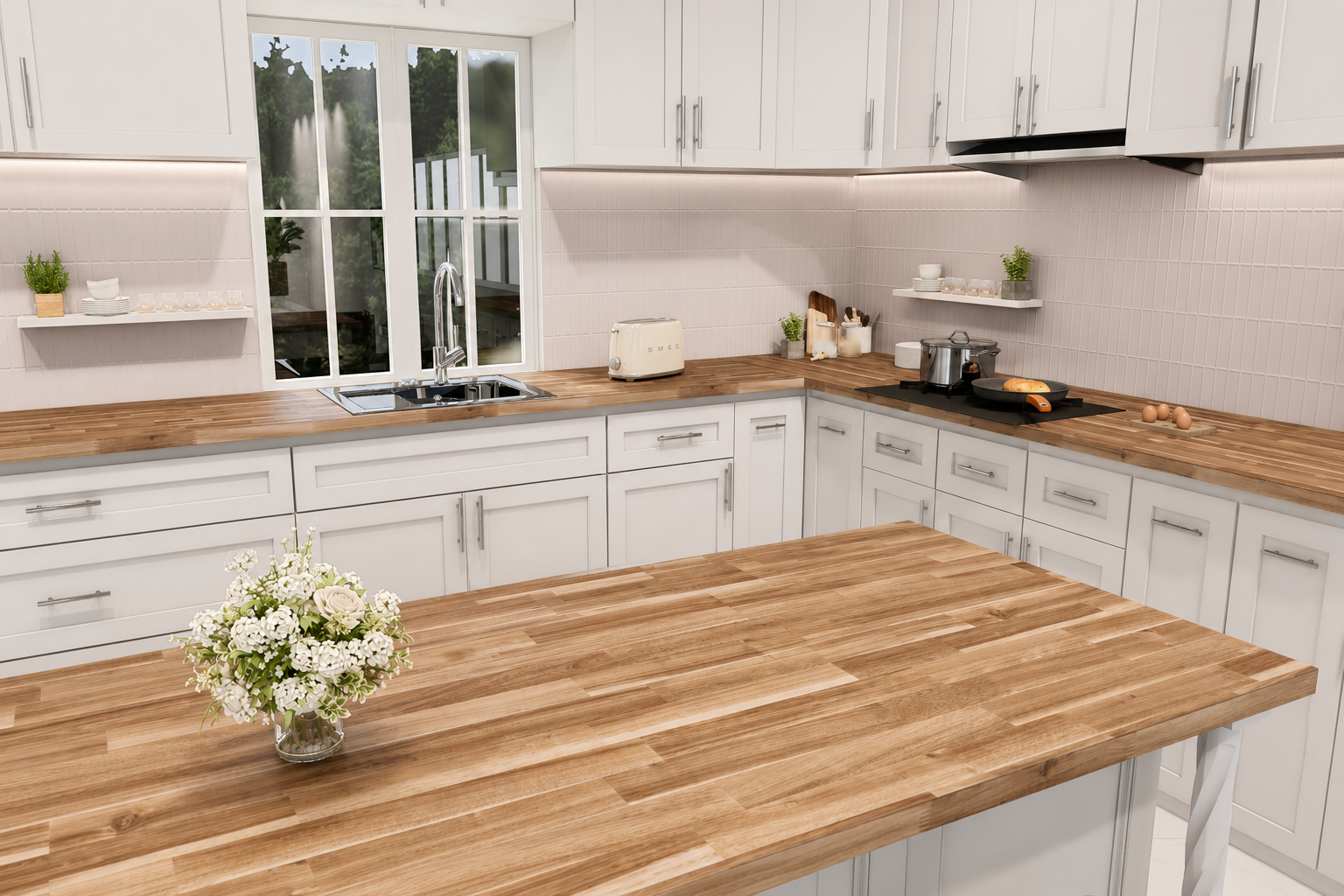
European home improvement retailers are finding new opportunities for growth despite continued pressure on household spending. Professional customers, digital commerce, and targeted store expansion are becoming increasingly important as companies adapt to changing renovation and purchasing habits.
Recent financial results from Kingfisher and HORNBACH provide a clearer picture of European DIY retail in 2026. Both companies reported positive sales growth during the first half of their 2026/27 financial years, although their strategies reflect different priorities.
Kingfisher is strengthening its trade business and online marketplaces, while HORNBACH continues expanding its physical retail network across Europe. Their performance highlights an evolving market where product availability, competitive assortments, and reliable supply chains remain essential.
European DIY Retail Market Continues to Grow in 2026
The European DIY retail market is gradually moving past the fluctuations of recent years. Inflation, renovation costs, and cautious consumer spending still influence purchasing decisions, but leading retailers are finding opportunities as customer needs change.
According to Cross-Border Commerce Europe’s 2026 report, the European DIY, Home & Garden market is projected to reach approximately €409 billion in 2026. Online sales are expected to account for €78 billion, representing around 19% of total market revenue.
The forecast indicates that digital platforms are becoming increasingly influential in how European consumers discover and purchase home improvement products. Physical stores, however, continue to represent the majority of industry sales.
The changing European DIY retail landscape presents opportunities for manufacturers and distributors capable of serving both traditional stores and e-commerce channels.
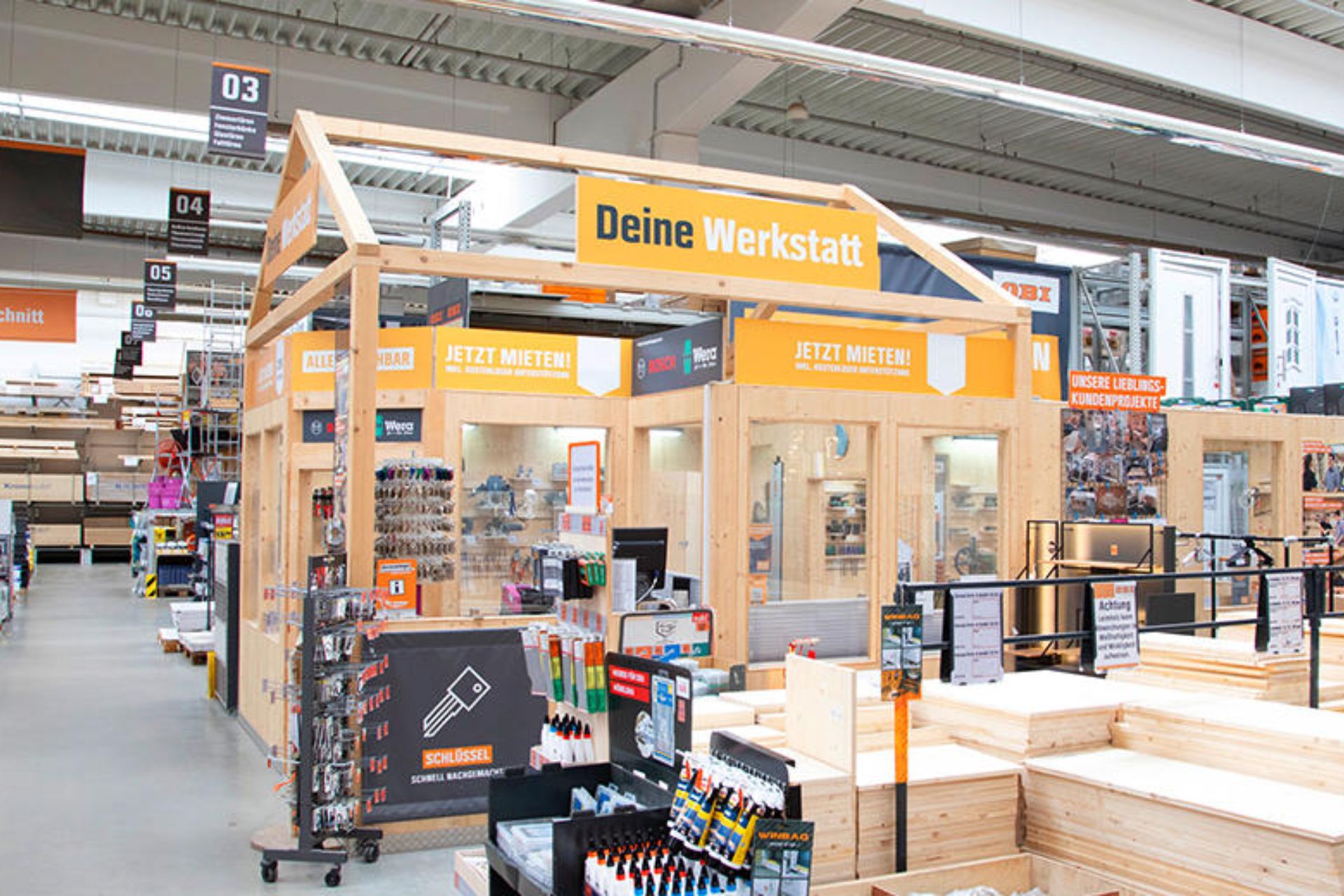
European DIY retail market in 2026 Home improvement stores are adapting their product assortments and sales channels to changing consumer demand
Kingfisher’s 2026 Results Highlight Professional and Digital Growth
Kingfisher, the parent company of B&Q, Screwfix, Castorama, and Brico Dépôt, reported encouraging results for the six months ended July 31, 2026.
The company’s half-year financial report showed total sales, including marketplace gross merchandise sales, increasing by 1.6% at constant currency. Adjusted profit before tax rose 9.9% to £404 million, supported by margin improvements and cost management.
Professional customers were a significant growth driver. Trade sales excluding Screwfix increased by 16%, while trade customers accounted for approximately 31% of group sales. Screwfix also recorded 5.6% like-for-like sales growth.
Digital operations delivered further momentum, with marketplace gross merchandise value increasing 42% to £372 million.
These developments suggest that European DIY retail is placing greater emphasis on professional purchasing, product availability, and omnichannel services.
Contractors and installation businesses depend on consistent specifications and reliable materials across repeated projects. Consequently, manufacturers supplying wood panels, countertops, shelving, and other building components must consider dimensional accuracy, product quality, and continuity of supply.
Kingfisher’s digital expansion also creates new distribution opportunities, although manufacturers must meet growing expectations for product information, packaging protection, and delivery performance.
HORNBACH Expands Its European Home Improvement Network
HORNBACH’s latest performance reinforces the importance of physical stores within European DIY retail.
The German retailer reported net sales of approximately €3.82 billion during the first half of fiscal year 2026/27, representing growth of 6.0% compared with the previous year. Adjusted EBIT increased 4.9% to €285.6 million.
Second-quarter sales grew 7.3%, supported partly by seasonal demand. HORNBACH also expanded its store network through new locations in Slovakia and Austria, alongside plans to add six Hellweg stores in Germany.
HORNBACH’s expansion demonstrates that large-format stores continue to play an important role in the European home improvement market.
Physical retail environments allow customers to examine materials, compare finishes, and evaluate product dimensions before purchasing. This remains particularly relevant for wood surfaces, furniture components, building materials, and outdoor living products.
While Kingfisher is accelerating digital development, HORNBACH is reinforcing its physical distribution network. Both approaches suggest that European DIY retail increasingly depends on connecting the right products with the right customers through efficient distribution channels.

HORNBACH’s European expansion: Large-format home improvement stores remain important distribution channels for building materials and renovation products.
What European DIY Retail Trends Mean for Wood Products
The latest market developments have implications for wood manufacturers serving European importers, distributors, and retailers.
The growth of professional purchasing reinforces the importance of consistent materials and predictable product performance. Meanwhile, increasing online sales place additional pressure on product presentation, packaging, and shipping protection.
Several wood product categories could benefit from these changing requirements.
Finger joint wood panels support applications including furniture manufacturing, shelving, storage systems, and interior improvement projects. Their commercial suitability depends on dimensions, appearance grades, moisture content, and processing requirements.
Butcher block countertops remain relevant to kitchen renovation and interior work surface programs. Rubberwood offers a relatively uniform, light-colored appearance, while acacia provides more distinctive natural grain patterns. These differences allow retailers to develop product ranges for different interior preferences and price segments.
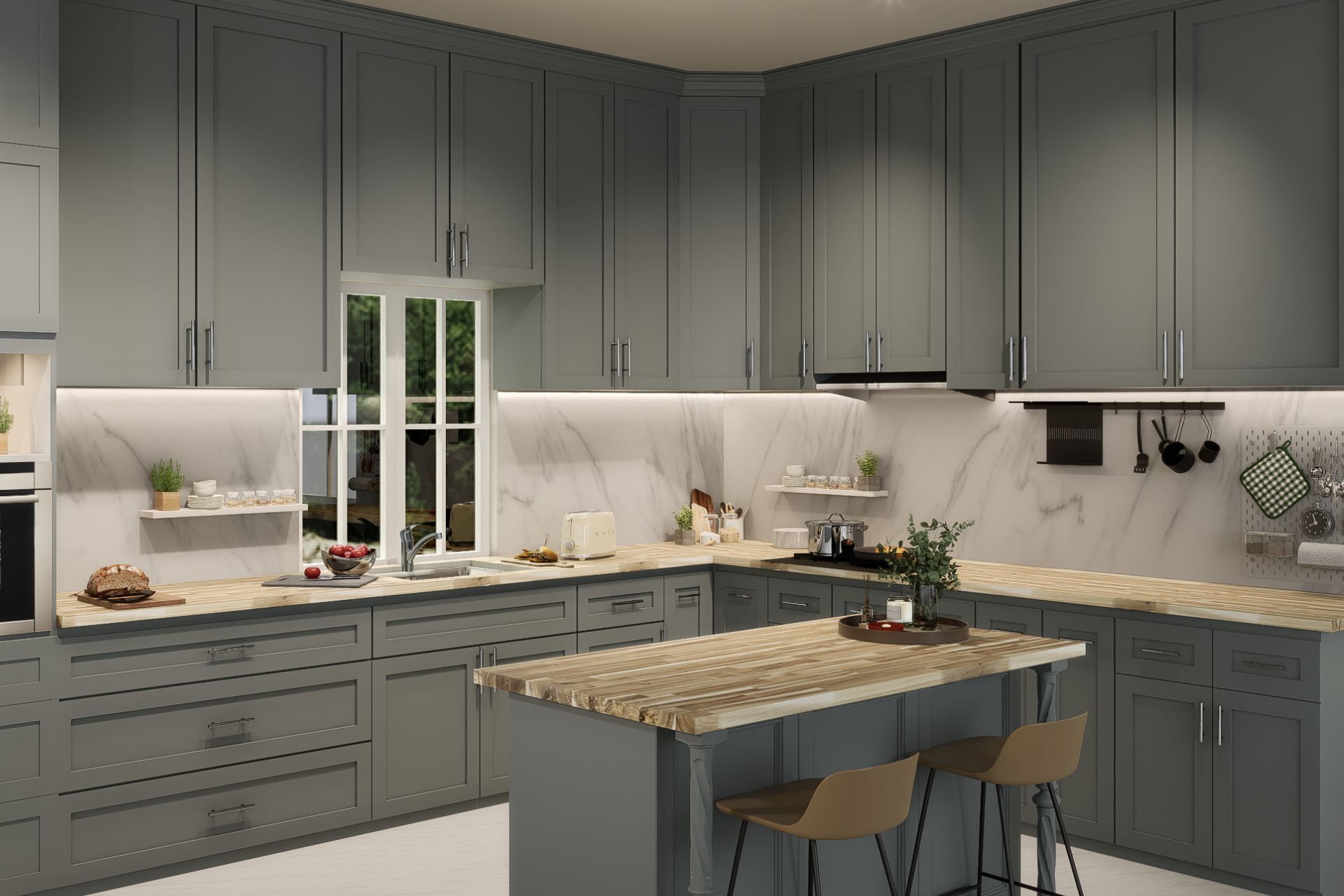
Wood surfaces in home improvement: Natural wood countertops offer material and design options for European kitchen renovation programs.
Outdoor living products also offer opportunities within seasonal retail assortments. Wooden deck tiles, folding patio sets, and compact outdoor furniture can serve balconies, terraces, and garden spaces.
However, retailer-level financial results do not establish growth rates for these specific categories. Manufacturers should assess product demand through market-specific sales information and distributor feedback.
The broader European DIY retail trend points toward carefully planned product ranges that balance appearance, functionality, price, and distribution efficiency.
Packaging and Supply Consistency Become More Important
Growth in e-commerce and professional retail channels is changing what European distributors expect from their manufacturing partners.
Wood products often travel through international shipping networks, distribution centers, warehouses, and retail stores before reaching customers. Inadequate packaging can expose panels and countertops to corner damage, surface scratches, and handling-related defects.
Protective carton edges, wrapping, product labeling, and secure pallet arrangements can help reduce these risks.
Manufacturing consistency is equally important. Retailers and professional customers need predictable dimensions, appearance grades, moisture levels, and finishing quality across repeated orders.
These operational requirements are becoming significant considerations within European DIY retail, particularly when retailers manage products across multiple stores and online channels.
Successful supply programs increasingly depend on communication between manufacturers, importers, and retail partners long before products reach the store shelf.
Preparing Wood Product Programs for the European Market
The performance of Kingfisher and HORNBACH suggests that European retailers are pursuing growth through targeted customer segments, expanding distribution channels, and more efficient product assortments.
Manufacturers should align their product development with these commercial priorities.
Customization allows importers and distributors to establish product ranges suited to local dimensions, design preferences, and retail positioning. Packaging and labeling should also reflect the handling, storage, and presentation requirements of each distribution channel.
Reliable production planning helps maintain supply continuity, especially for repeat orders and seasonal collections.
The direction of European DIY retail suggests that manufacturers offering consistent specifications, flexible product development, and dependable supply arrangements may be better positioned to support future retail programs.
SSR Supports European Wood Retail and Distribution Programs
SSR develops wood product programs for international retailers, importers, distributors, and OEM/ODM partners, supported by its manufacturing operations in Vietnam.
Its product portfolio includes finger joint wood panels, butcher block countertops, shelving, tabletop surfaces, and outdoor living products manufactured from species such as rubberwood and acacia.
SSR can customize product dimensions, appearance grades, finishing options, packaging, and private-label presentation according to market requirements.
Manufacturing and quality control processes are designed to support consistent specifications across production batches, while customized packaging helps partners prepare products for retail distribution.
European companies can explore SSR’s wood product programs and its dedicated solutions for retailers.
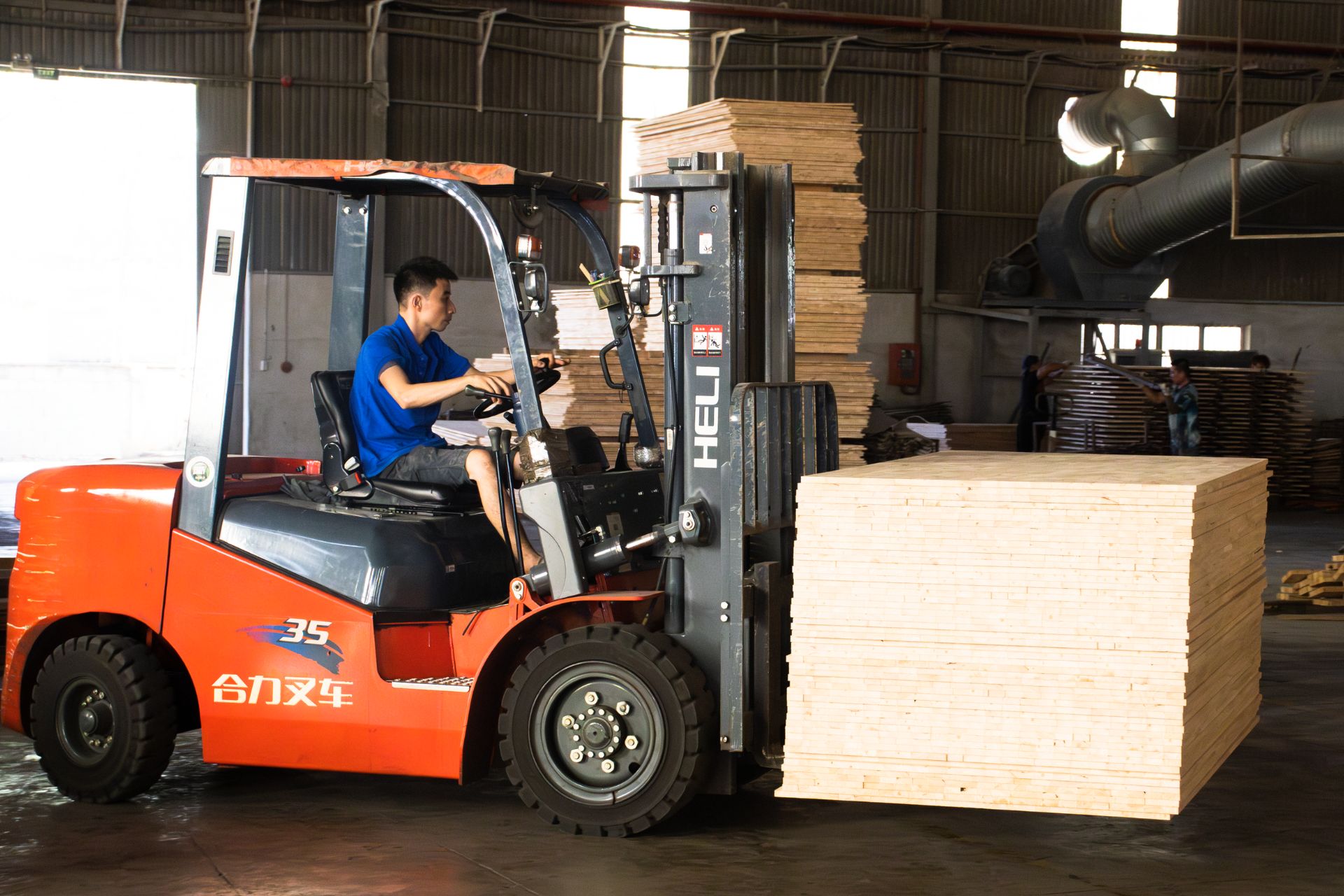
Manufacturing for European distribution: Consistent wood panel production and customizable specifications support international retail supply programs
European DIY Retail Outlook for 2027
The European DIY retail market is entering a period in which growth depends increasingly on customer specialization, distribution efficiency, and product relevance.
Kingfisher’s progress in professional sales and digital commerce demonstrates the importance of serving changing purchasing behaviors. HORNBACH’s physical store expansion highlights continued confidence in established home improvement markets.
Both companies suggest that retailers will continue seeking dependable products and efficient supply arrangements as they prepare future assortments.
Wood manufacturers and distributors should respond by strengthening quality consistency, product customization, packaging, and supply planning.
The outlook for European DIY retail remains uneven across markets, but manufacturers that understand retailer requirements will be better prepared to develop long-term commercial partnerships.
Planning a wood product program for the European market? SSR supports retailers, importers, and distributors with customized wood panels, butcher block countertops, and outdoor living products.
Contact SSR to discuss your 2027 product program.
Frequently Asked Questions
Is European DIY retail growing in 2026?
European DIY retail is showing selective growth. Kingfisher and HORNBACH reported positive sales performance in their latest half-year results, while wider market forecasts indicate continued expansion in online home improvement sales.
What do Kingfisher and HORNBACH reveal about the market?
Kingfisher highlights increasing demand from professional customers and the importance of digital commerce. HORNBACH demonstrates continued investment in physical stores and geographic expansion across Europe.
Which wood products are relevant to European DIY retailers?
Finger joint wood panels, butcher block countertops, shelving, deck tiles, and outdoor furniture are relevant to European DIY retail assortments. Their commercial potential depends on local demand, specifications, pricing, and distribution requirements.