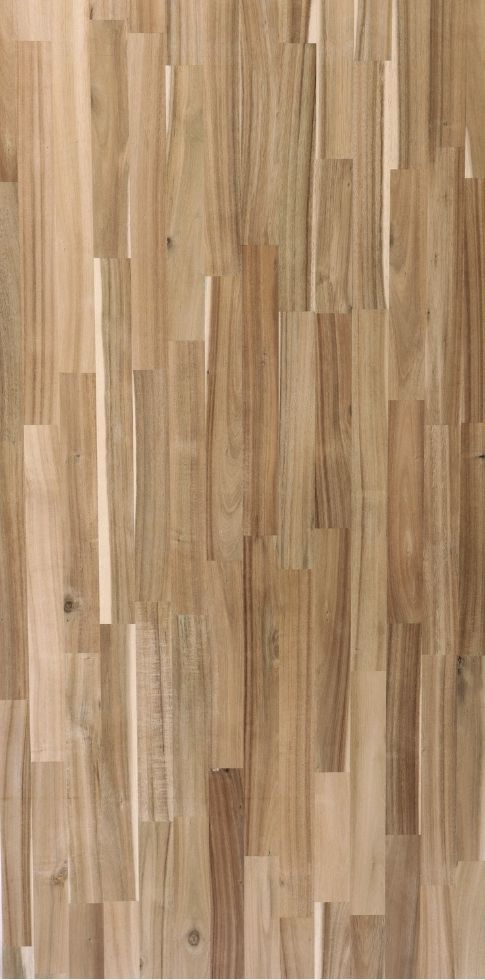
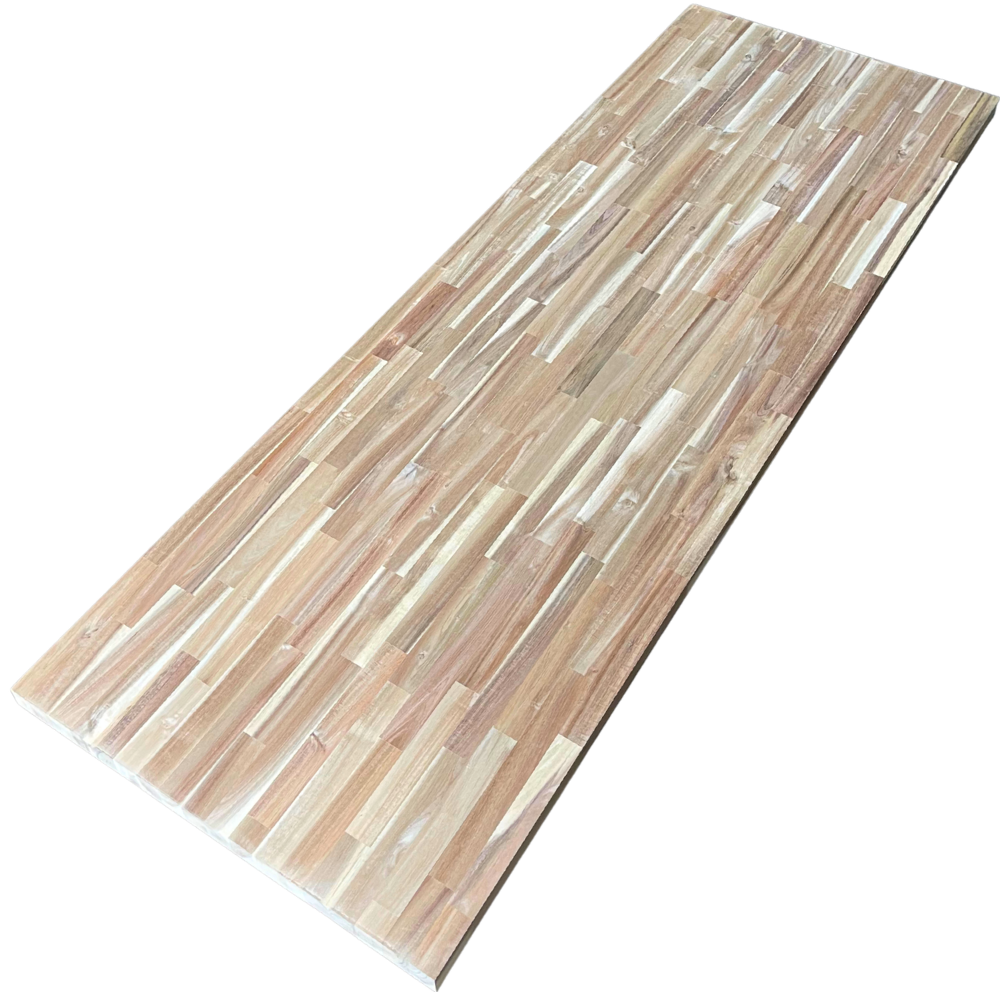
- Sapwood limited to 10% of the stave.
- No dead knots or sound knots.
- No bark encasement or heartwood spots.
- Preferred for premium, appearance-focused applications.

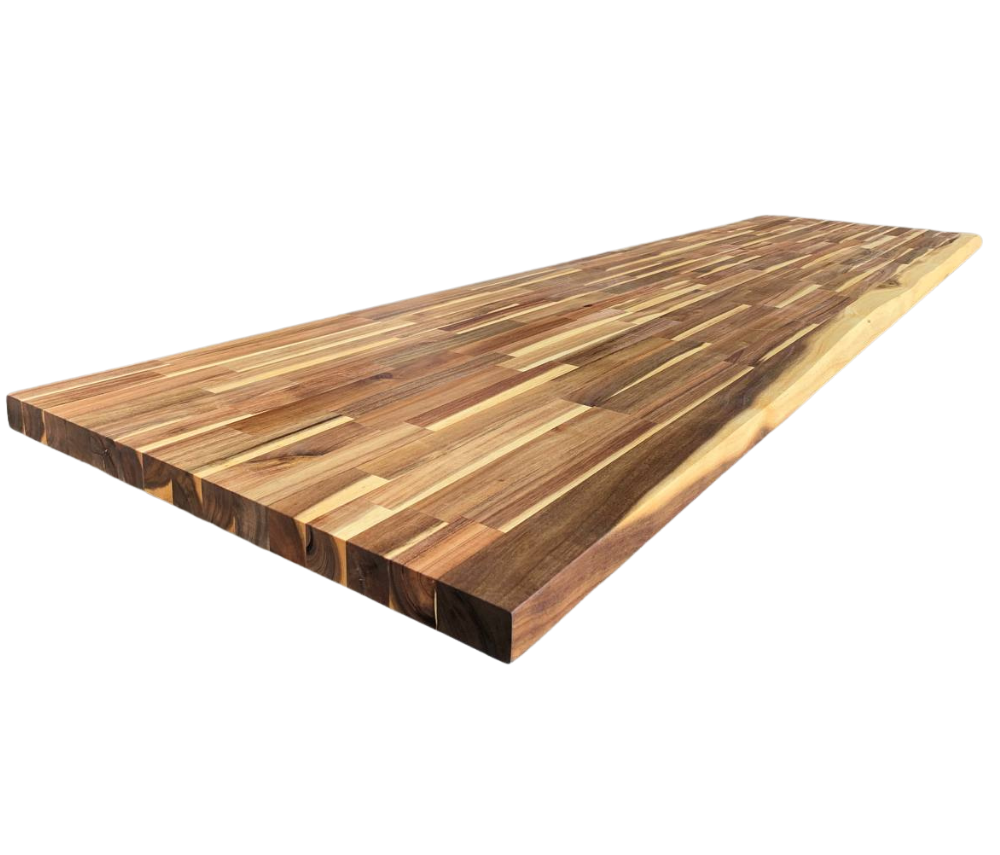
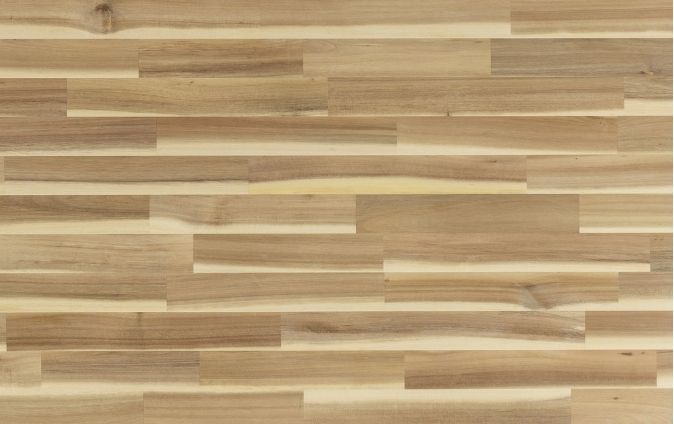
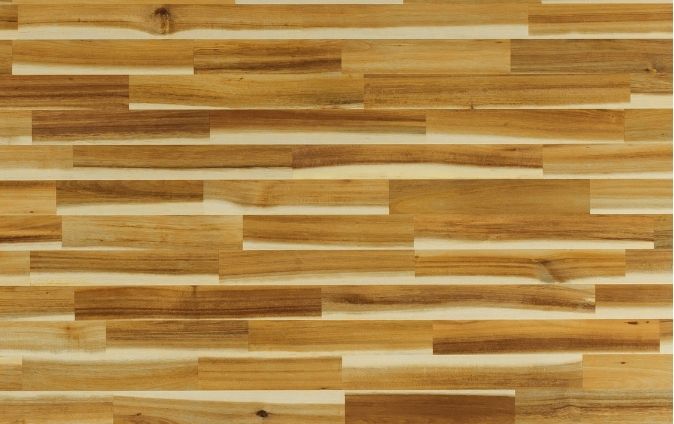
Acacia wood is widely used across major furniture, home improvement and interior markets worldwide, with stronger demand in markets where natural hardwood appearance, durability and visible grain variation are valued in finished products.
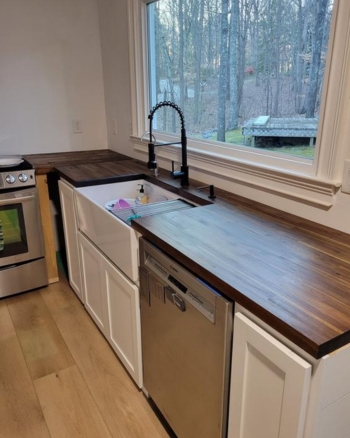
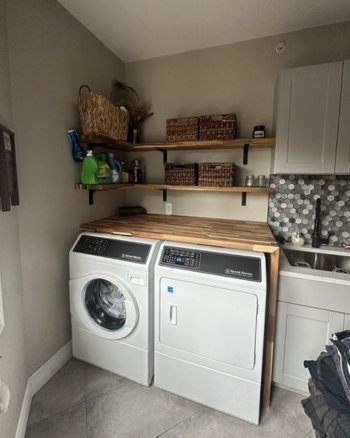
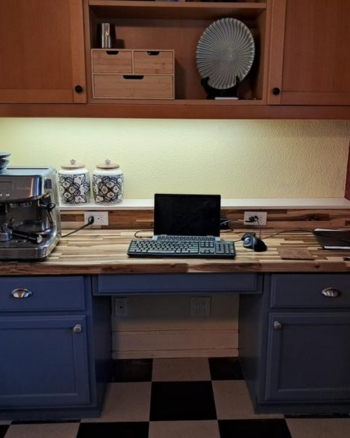
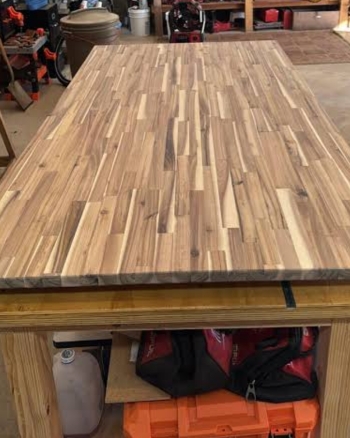
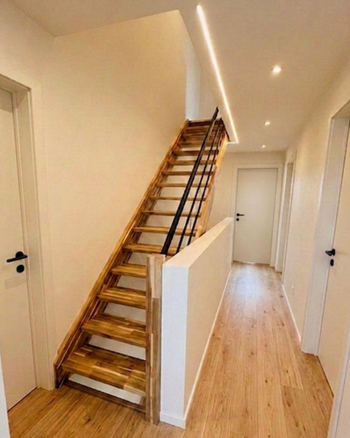
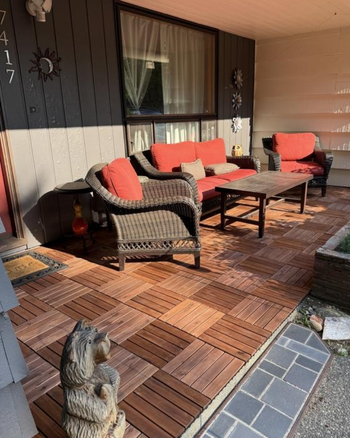
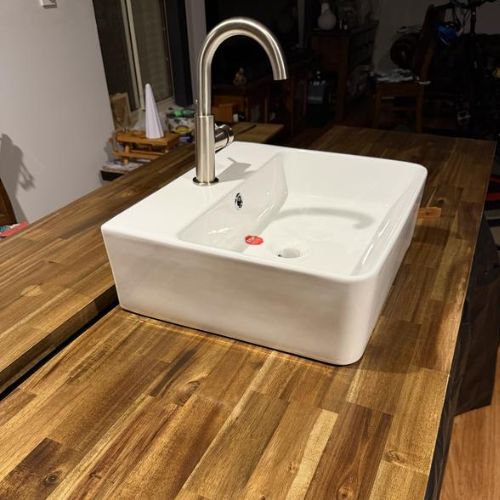
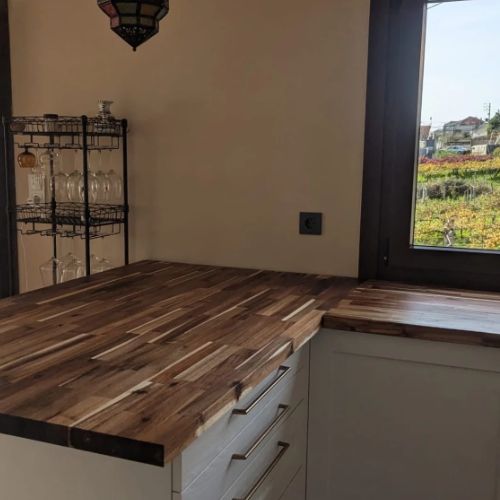
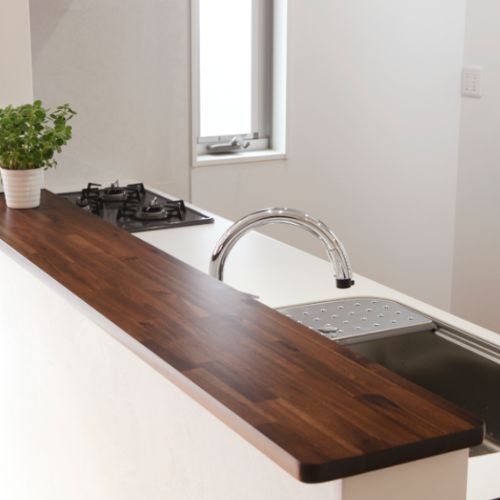
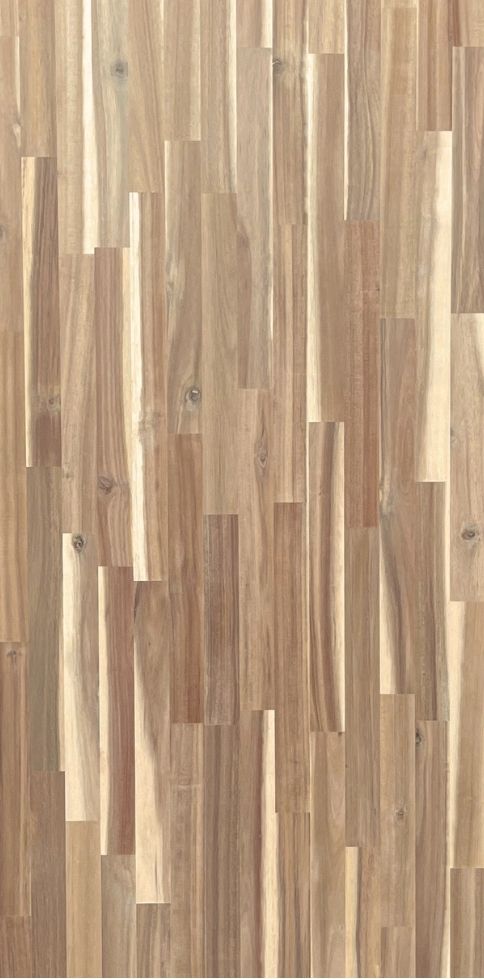
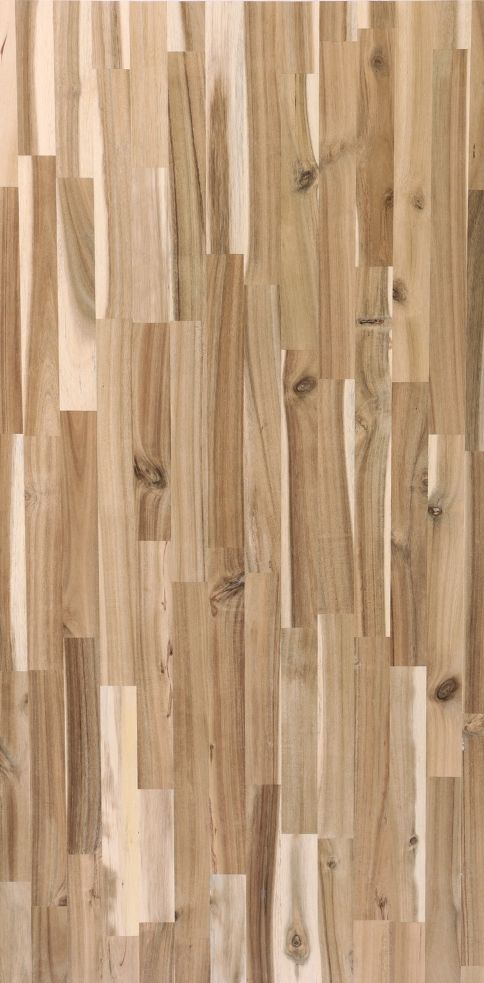
Across these markets, acacia is commonly seen in countertops, work surfaces, kitchen interiors and furniture where its distinctive grain and naturally warm appearance remain visible in the finished design.
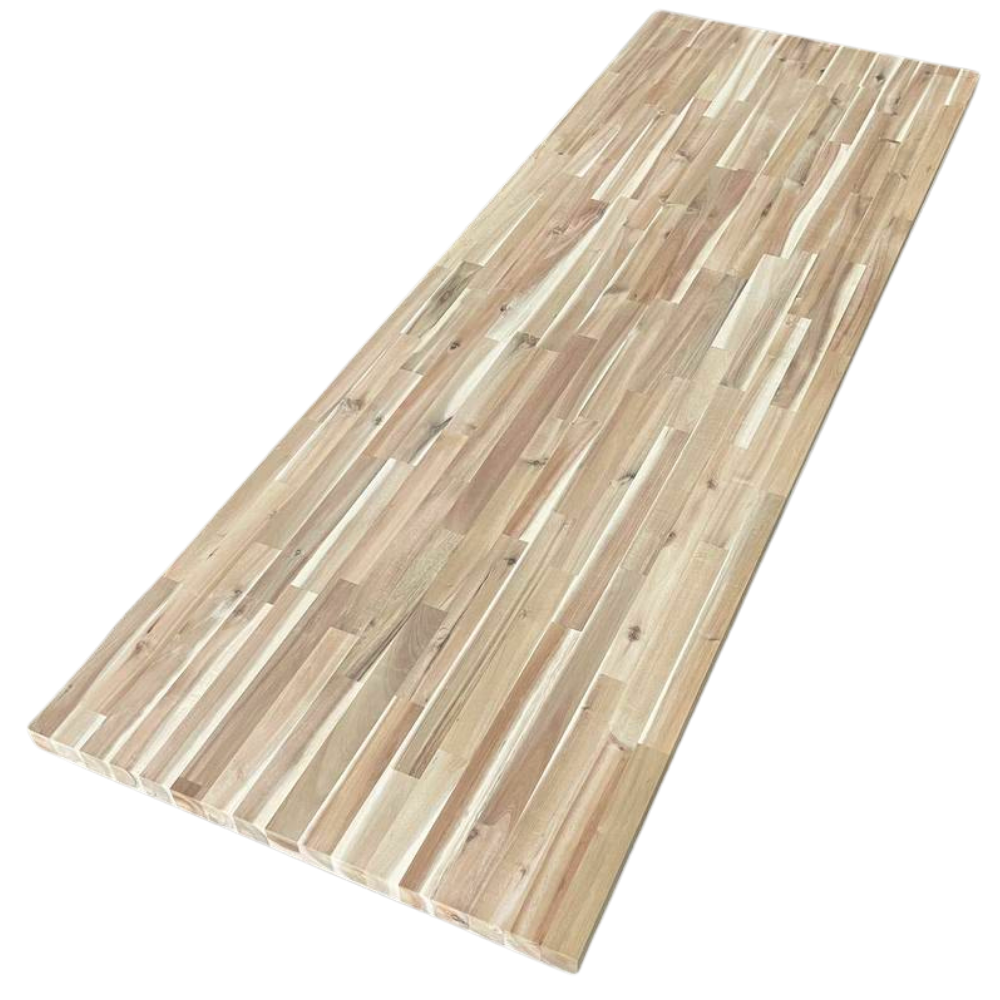
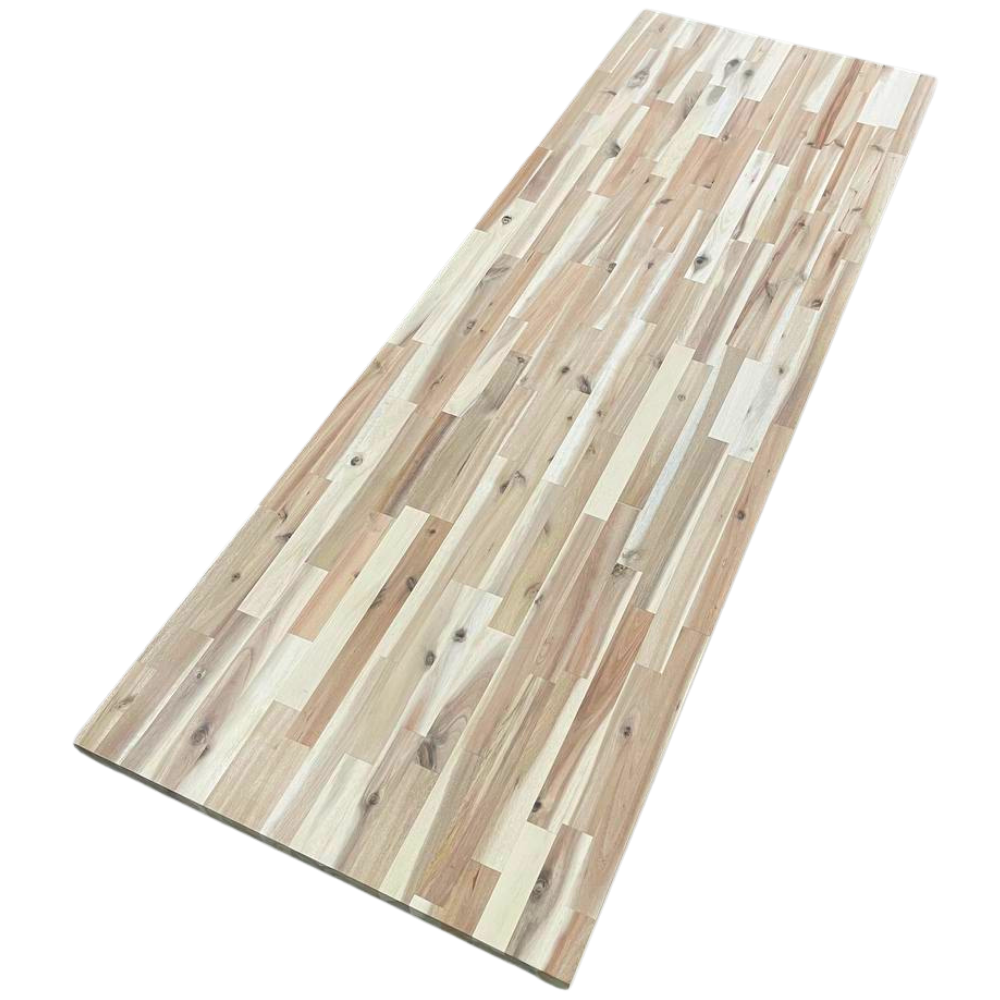
SSR supplies Acacia wood solutions for retail, distribution and project programs, with flexible sizing, finishing and packaging options for different applications.
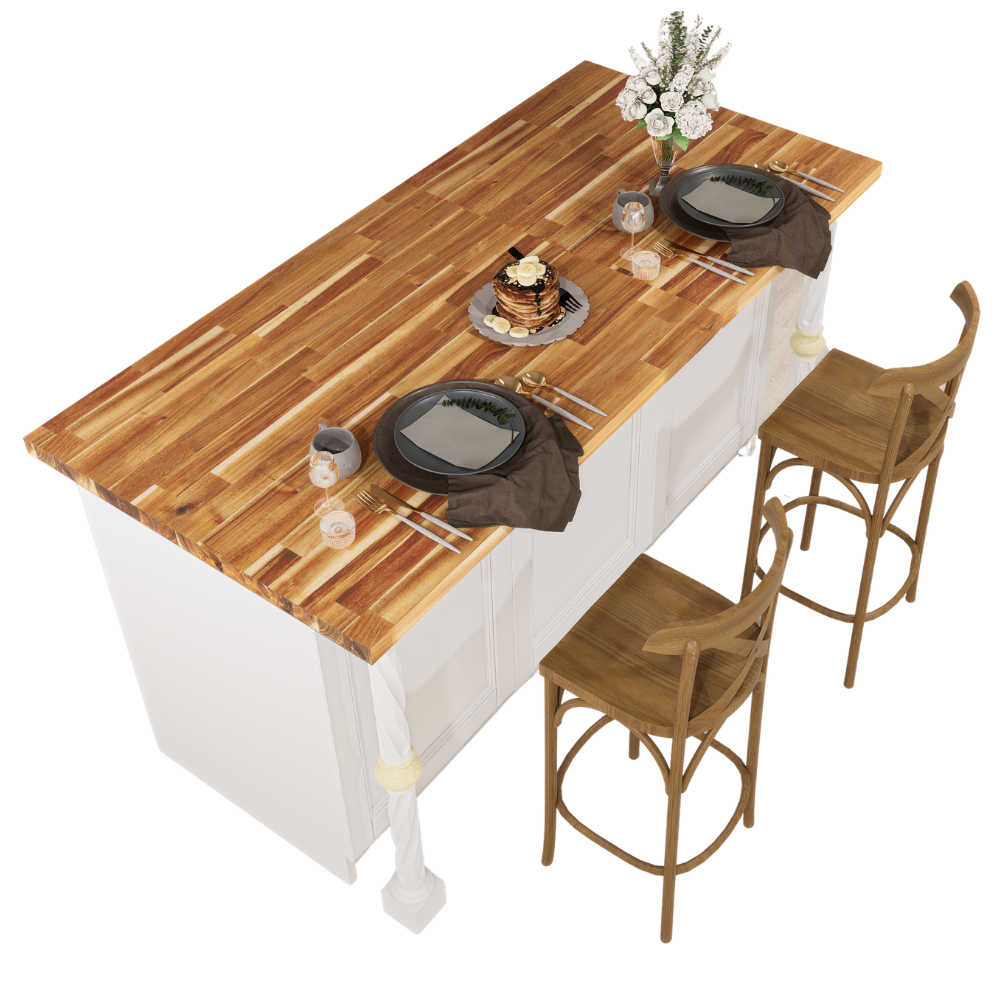
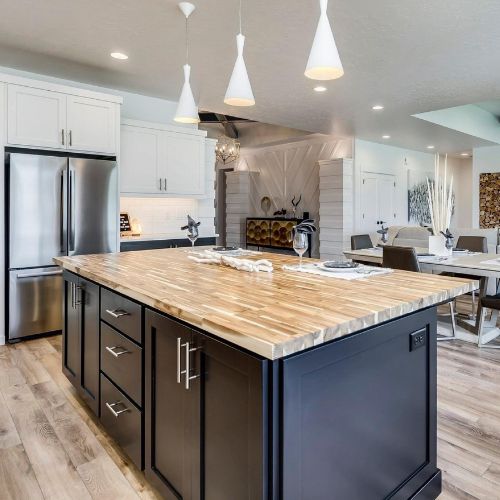
Acacia turns a kitchen work surface into a natural focal point. Its expressive grain works especially well across countertops and large island tops, where the character of the wood remains visible throughout the space.
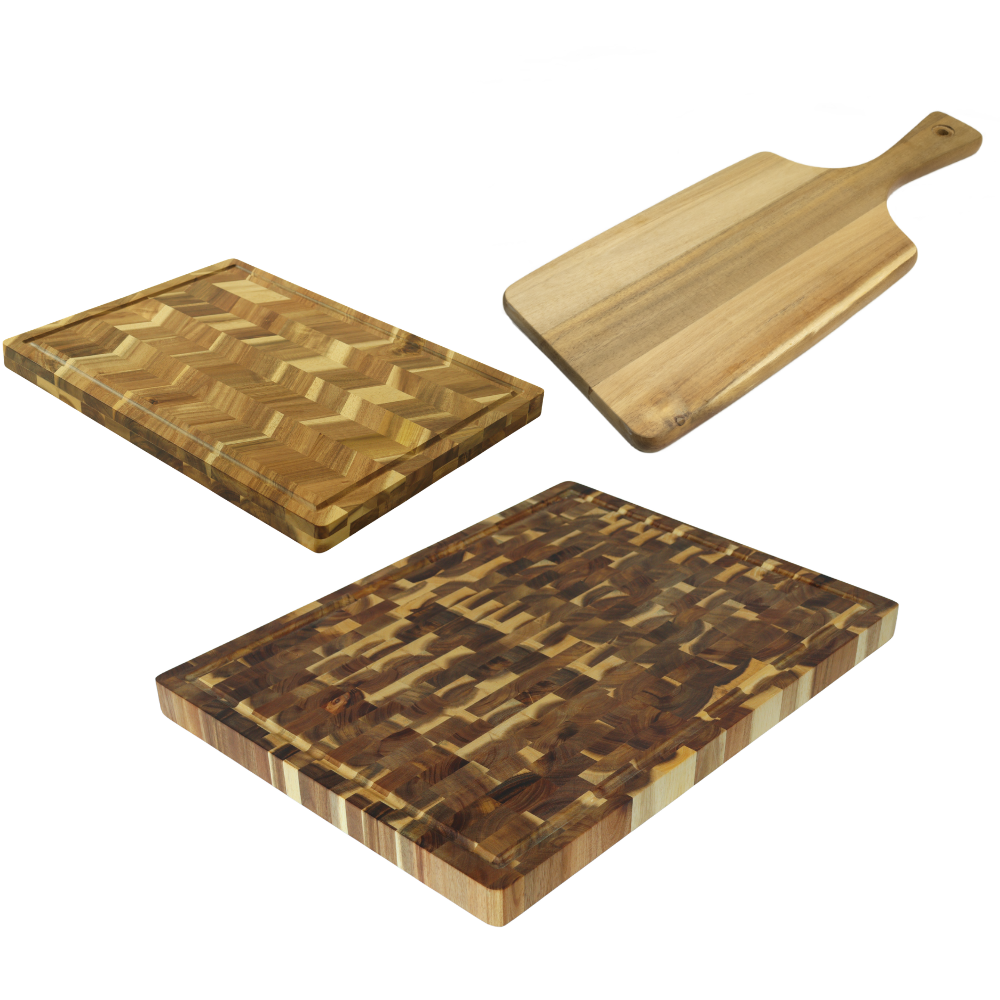
Acacia brings a warm natural look to cutting boards while giving each piece its own grain character. The product can be developed around the dimensions and finish required for a retail or private-label kitchenware program.
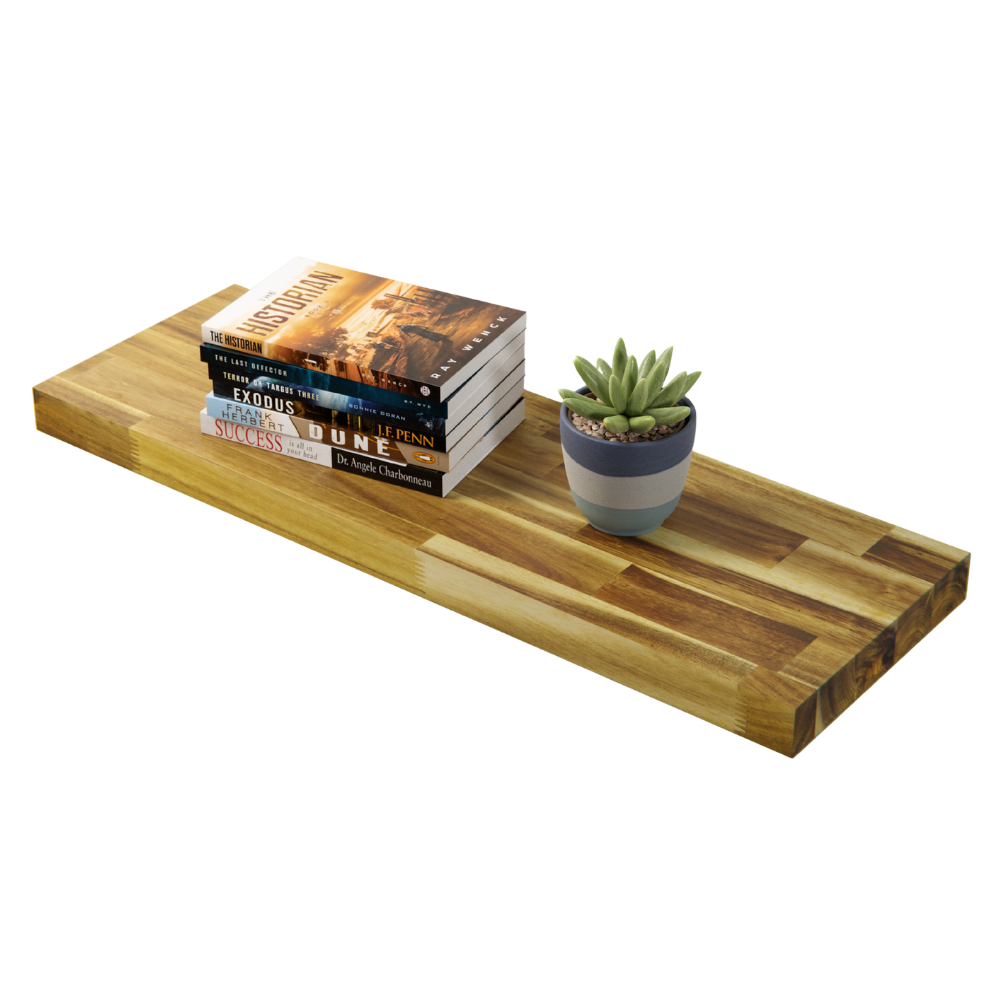
Floating shelves offer a simple way to introduce solid acacia into an interior without overwhelming the room. The exposed surface highlights the grain while creating practical storage for kitchens, bedrooms or living spaces.

In bedroom furniture, acacia creates a grounded solid-wood appearance that pairs naturally with contemporary interiors. Finger joint panels can become structural bed components or coordinated surfaces for smaller storage pieces.
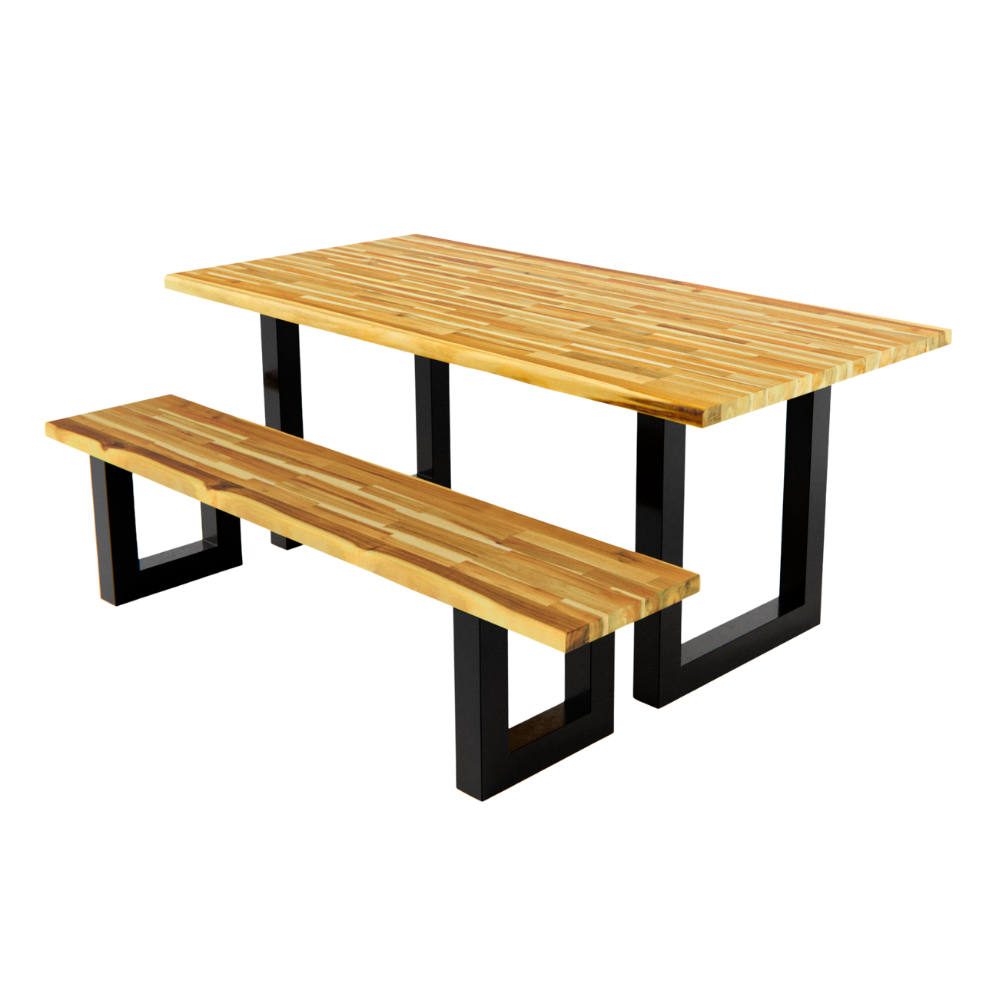
A broad dining surface gives acacia room to show its natural color movement and distinctive grain. Used across a table and matching bench, the material creates a cohesive collection with a strong solid-wood presence.

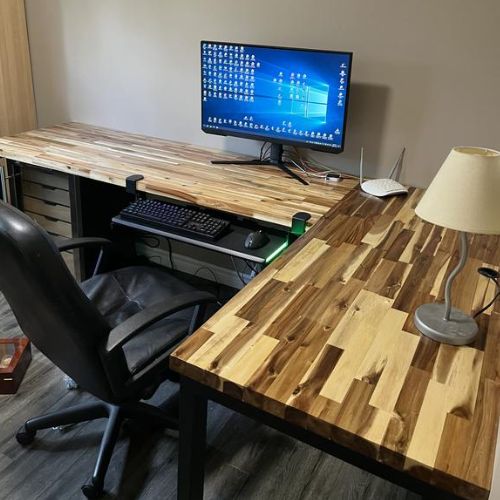
Built for modern workspaces, an acacia desk top adds the feel of real wood to both fixed and height-adjustable desk systems. Dimensions and surface finishing can be adapted around the furniture program it is designed to support.
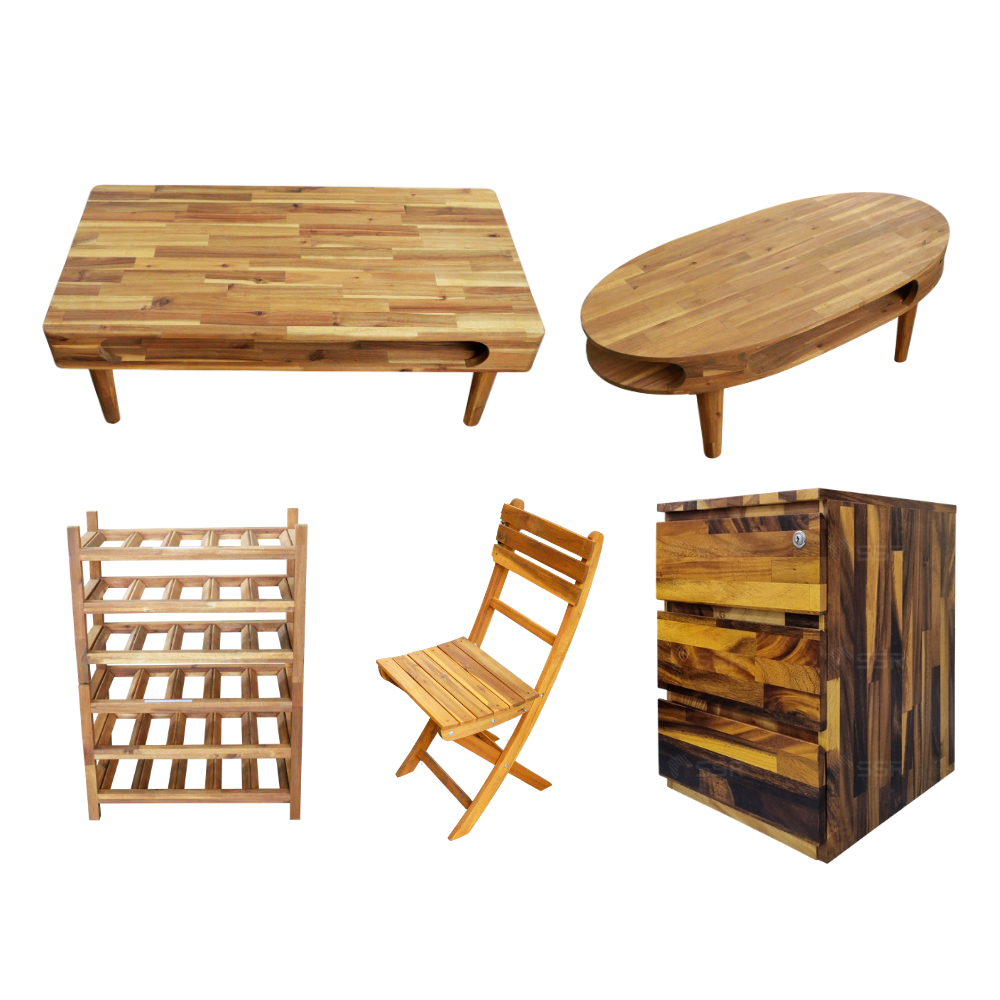
The same acacia panel platform can support a wider furniture collection beyond standard tops and shelves. SSR can develop finished components or complete products around a customer’s drawings and intended market.
SSR Controls Acacia from the Source

SSR sources acacia from managed plantation areas in Vietnam. Acacia is typically harvested after a growing cycle of approximately 3–10 years, depending on plantation conditions, log diameter and the intended wood program.
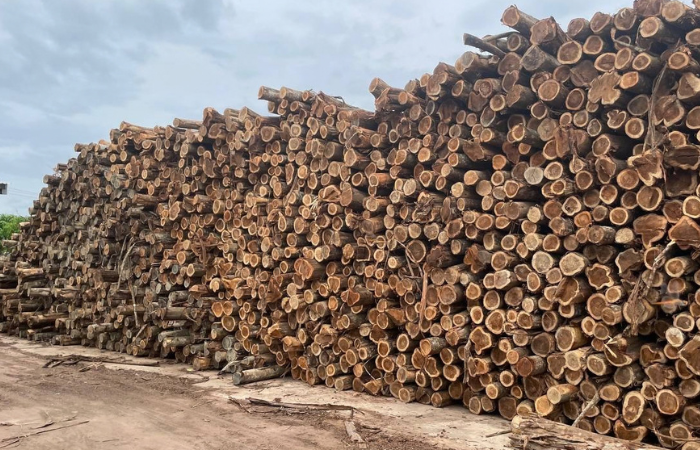
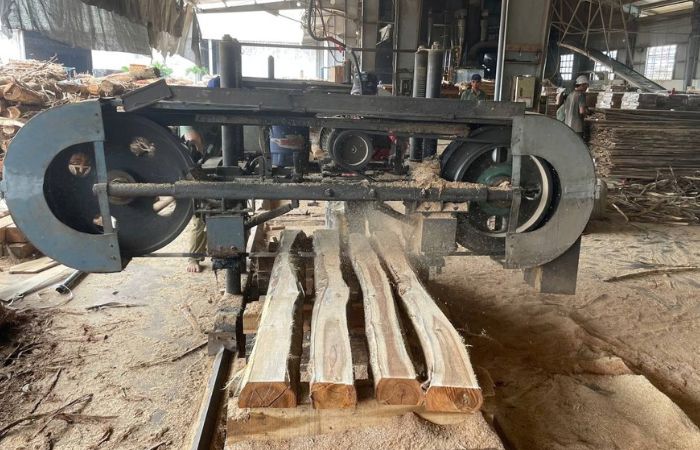
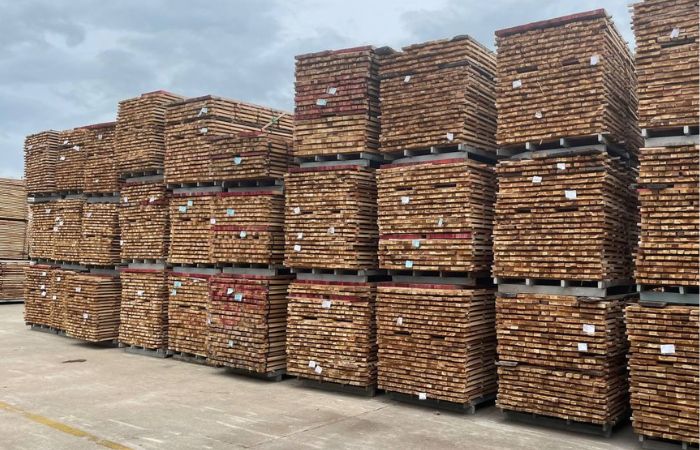
Harvested logs are transported to the sawmill, where they are sawn into workable timber dimensions, sorted and prepared for drying. The material is organized by size and condition before moving into the kiln-drying stage.
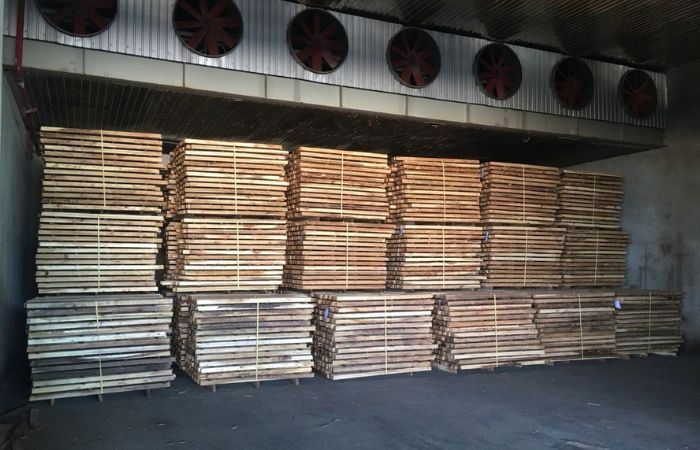
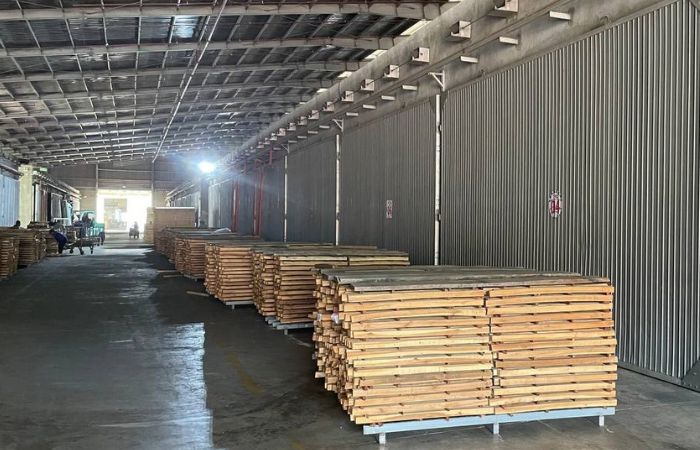
Sawn acacia is kiln dried under controlled conditions to reduce moisture and improve dimensional stability. After drying, the timber is stored indoors before being released to the finger joint production line.
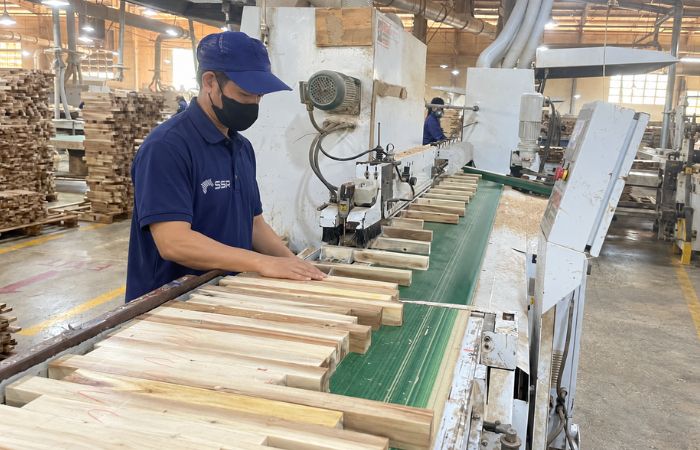
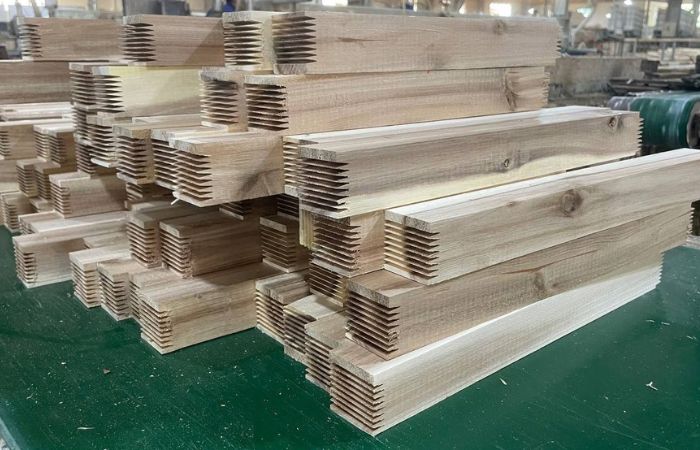
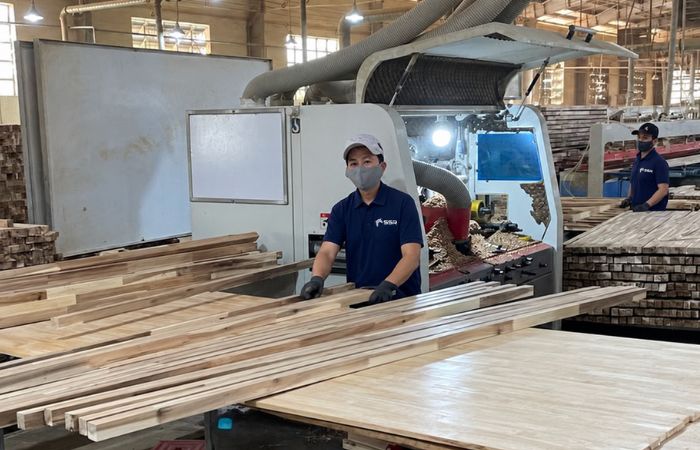
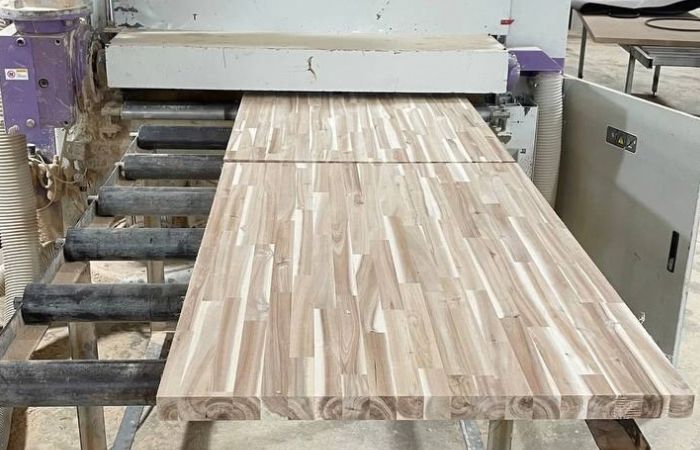
Dried timber is selected and processed into finger-jointed lamellas, then edge glued and pressed into solid wood panels. The panels are subsequently sanded and checked for dimensions, surface condition and consistency.
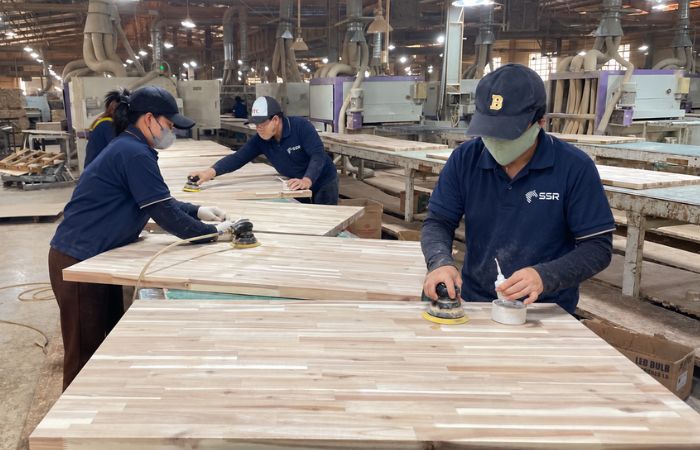
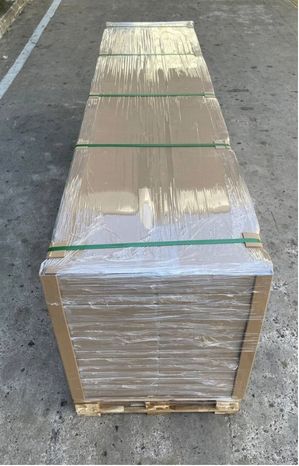

Panels move through final sanding and inspection before packing. Once the required finish and specifications are confirmed, the products are prepared for distribution and loaded into containers for export.
We control key rubberwood and acacia sources across northern, central and southern Vietnam.
We trace the wood’s exact roots and double-check every legal certification before making a single cut.
See Where Our Wood Begins