The next cycle of residential design is beginning to take shape well before the show floor opens in Las Vegas. KBIS and IBS 2027 will take place February 2–4 at the Las Vegas Convention Center, bringing the Kitchen & Bath Industry Show and the NAHB International Builders’ Show together once again under Design & Construction Week.
The timing is significant. The U.S. housing market is entering a period where remodeling is becoming more important, kitchens are taking on more functions within the home, and natural materials continue to influence residential interiors. These changes are already shaping the products, applications and design ideas likely to receive attention at the 2027 shows.
KBIS has announced more than 600 exhibitors, while IBS is preparing to host more than 1,700 companies and brands. The scale matters, but the greater value lies in seeing how manufacturers, builders, designers and suppliers are responding to changes in residential demand.
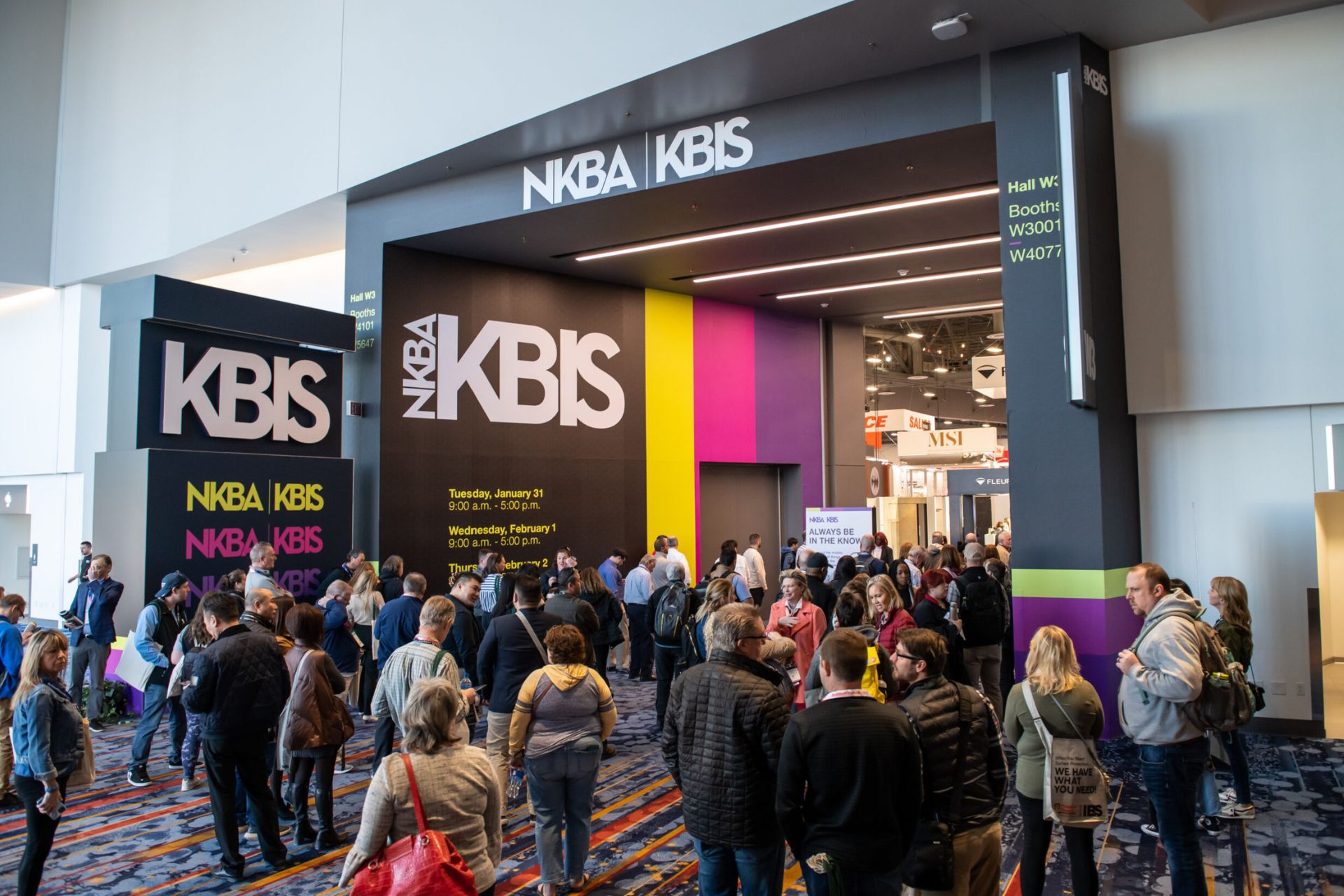
KBIS 2026 in Orlando, Florida
Remodeling Is Becoming More Important to Residential Demand
One of the clearest market shifts entering 2027 is the growing role of renovation. NKBA’s 2026 outlook places the U.S. kitchen and bath market at approximately $228 billion, but the more important signal is where growth is occurring.
Repair and remodeling spending is forecast to rise 3.5%, while spending connected with new construction is expected to decline 4.7%. Rather than moving uniformly, the market is shifting toward homeowners improving existing spaces.
That creates a different set of opportunities for product manufacturers. Countertops, cabinetry, shelving, storage systems and other interior components can be introduced without requiring a completely new home. Products designed for renovation also need to work within existing layouts, which places greater importance on dimensions, installation flexibility, availability and packaging.
As KBIS and IBS 2027 approach, the products with the strongest commercial relevance may be those that create a noticeable improvement while remaining practical for contractors, retailers and distributors to specify and install.
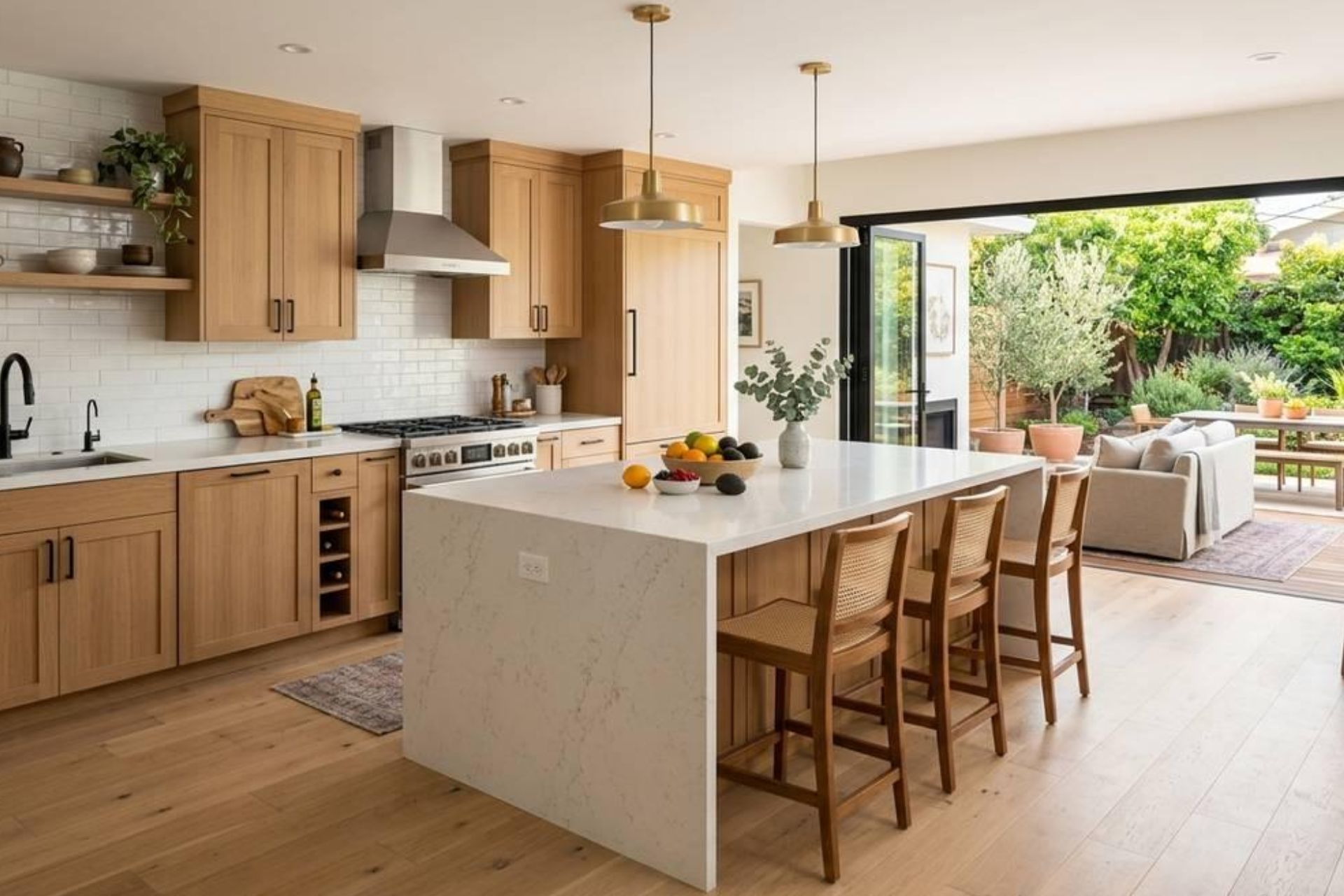
Remodeling is becoming a more important part of residential demand as homeowners invest in practical upgrades to existing spaces
Kitchens Are Becoming More Connected to Everyday Living
The kitchen remains the center of many residential projects, but its function continues to expand. Recent NKBA research describes a move toward kitchens that support cooking, storage, dining, social interaction and everyday work within the same environment.
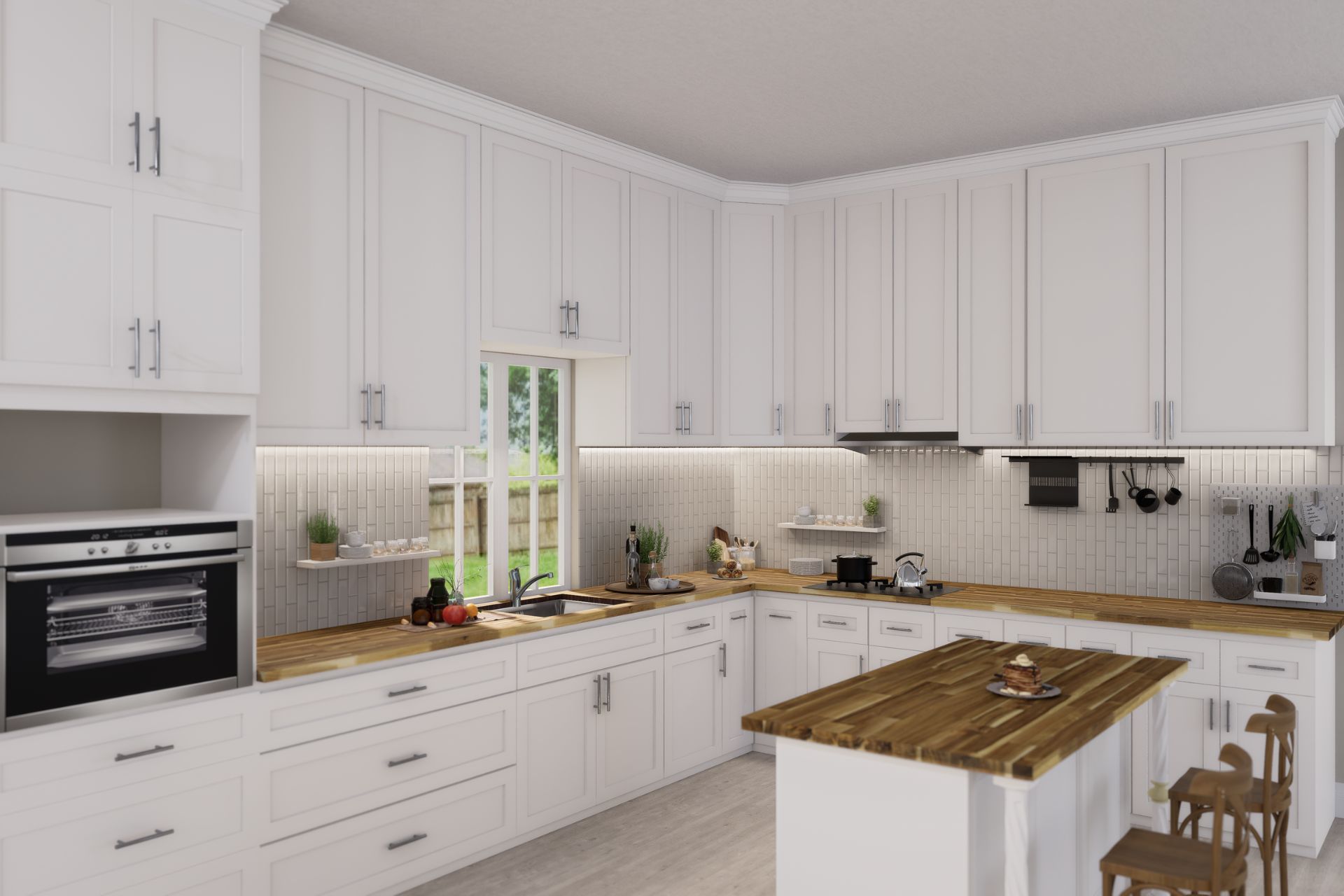
Larger islands, integrated pantry systems and stronger connections with dining and living areas reflect this shift. A kitchen island may serve as a preparation surface in the morning, a work area during the day and a social or dining space later in the evening.
The trend also changes how individual materials are viewed. Cabinetry, work surfaces, flooring and furniture increasingly need to feel coordinated with adjacent areas rather than belonging to an isolated room.
For the wood industry, this creates opportunities beyond traditional kitchen applications. A solid wood surface may be used as a countertop, island top, desk or workbench, while wood panels can support cabinetry, shelving, furniture and built-in storage.
KBIS 2027 will provide a useful view of how these applications are being developed around more flexible residential lifestyles.
Natural Wood Continues to Gain Visibility
Natural materials remain an important part of the residential design conversation. NKBA’s 2026 kitchen research found that 59% of respondents identified wood-grain cabinetry as growing in popularity, reflecting broader interest in warmer surfaces, organic textures and interiors that feel less artificial.
The important takeaway is not that one particular wood species will dominate. Residential design continues to vary by architecture, price point and personal preference. What appears more consistent is the renewed value placed on visible grain and natural material character.
This creates opportunities for butcher block countertops, solid wood panels, cabinet components, shelving and furniture surfaces. It also creates a challenge: consumers may appreciate natural variation, while retail and distribution programs still require predictable specifications.
Manufacturers therefore need to manage color range, grading, moisture, sanding, machining and finishing without removing the natural character that makes wood attractive in the first place. This balance between natural appearance and production consistency is likely to be an important theme around KBIS and IBS 2027.
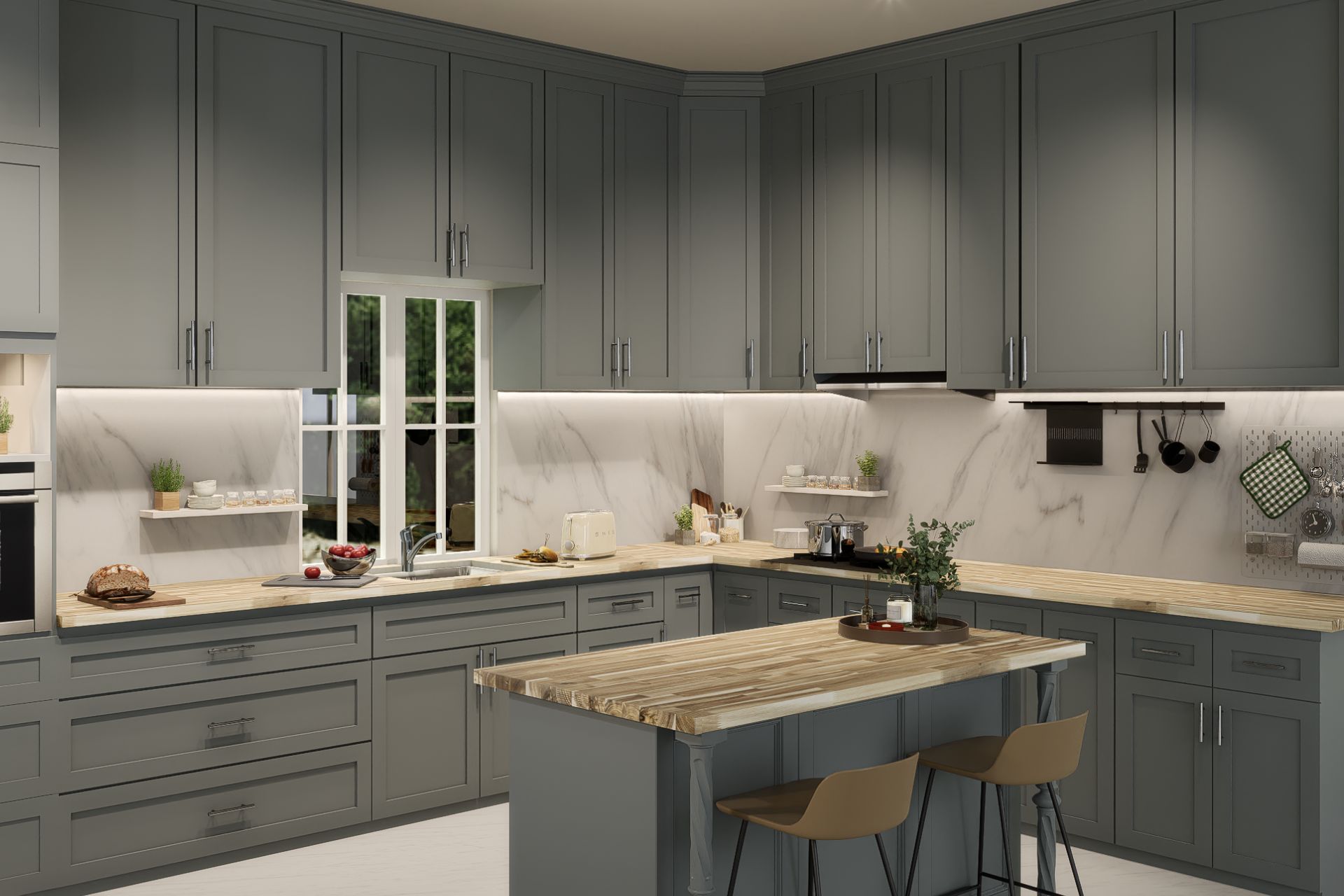
Visible grain and natural wood textures are becoming established features of contemporary residential interiors.
Cleaner Interiors Make Product Quality More Visible
Residential interiors are also becoming visually quieter. Integrated appliances, simplified cabinet fronts, minimal hardware and larger uninterrupted surfaces reduce visual clutter, but they also make inconsistencies easier to see.
For wood surfaces and components, sanding quality, grain arrangement, edge machining, alignment and finishing become increasingly noticeable. The same is true for butcher block countertops and larger panels, where small differences can have a greater impact on the finished appearance.
This has a direct commercial consequence. A product may perform well in a showroom or sample display, but retailers and distributors ultimately need to know that repeat orders will remain within an acceptable specification range.
Storage is evolving in parallel. Pantry systems, large drawers, tall cabinets and storage-focused islands are becoming part of the architecture of the kitchen rather than simply internal accessories. As a result, wood panels and cabinet components play a larger role in how a kitchen looks and functions as a whole.
Indoor and Outdoor Spaces Are Becoming More Connected
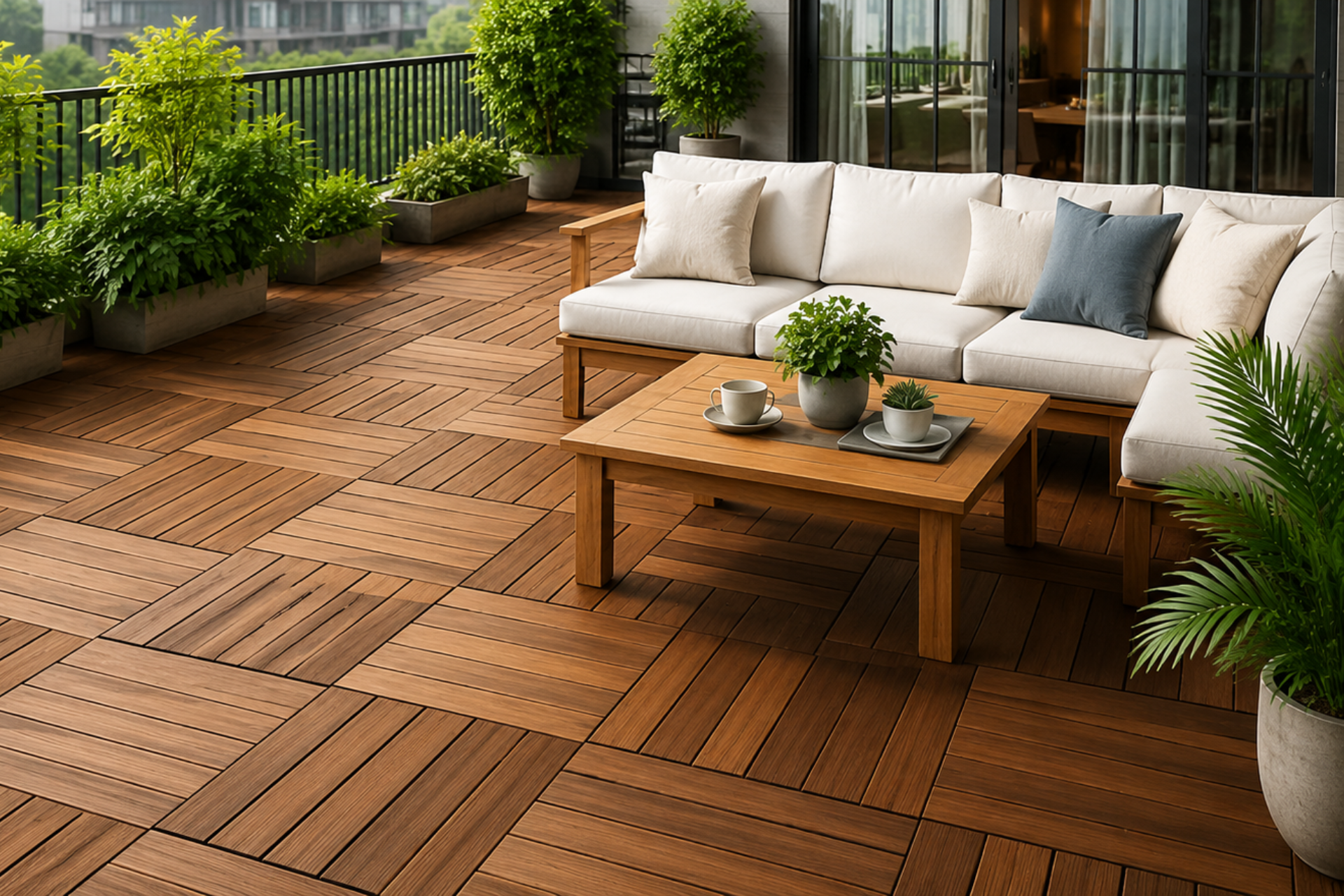
Another residential trend worth watching is the closer relationship between interior and exterior areas. Kitchens and dining rooms increasingly open directly onto patios, decks and entertaining spaces, while natural finishes help create a more consistent visual transition across the home.
IBS 2027 continues to position outdoor living within the broader residential construction market, reinforcing the idea that patios, deck surfaces and outdoor furniture are no longer treated only as seasonal additions. Outdoor spaces are increasingly designed around the same activities that define the interior of the home, including dining, gathering and everyday relaxation.
For wood-product companies, this creates an opportunity to think across categories rather than treating interior and exterior products as completely separate programs. Wood surfaces, furniture and cabinetry inside the home may be complemented by deck tiles, outdoor furniture and other exterior applications that share a similar visual language while being engineered for different environmental conditions.
The objective does not need to be identical materials across every area. A stronger opportunity lies in creating a coherent relationship between color, texture and the overall residential design language.
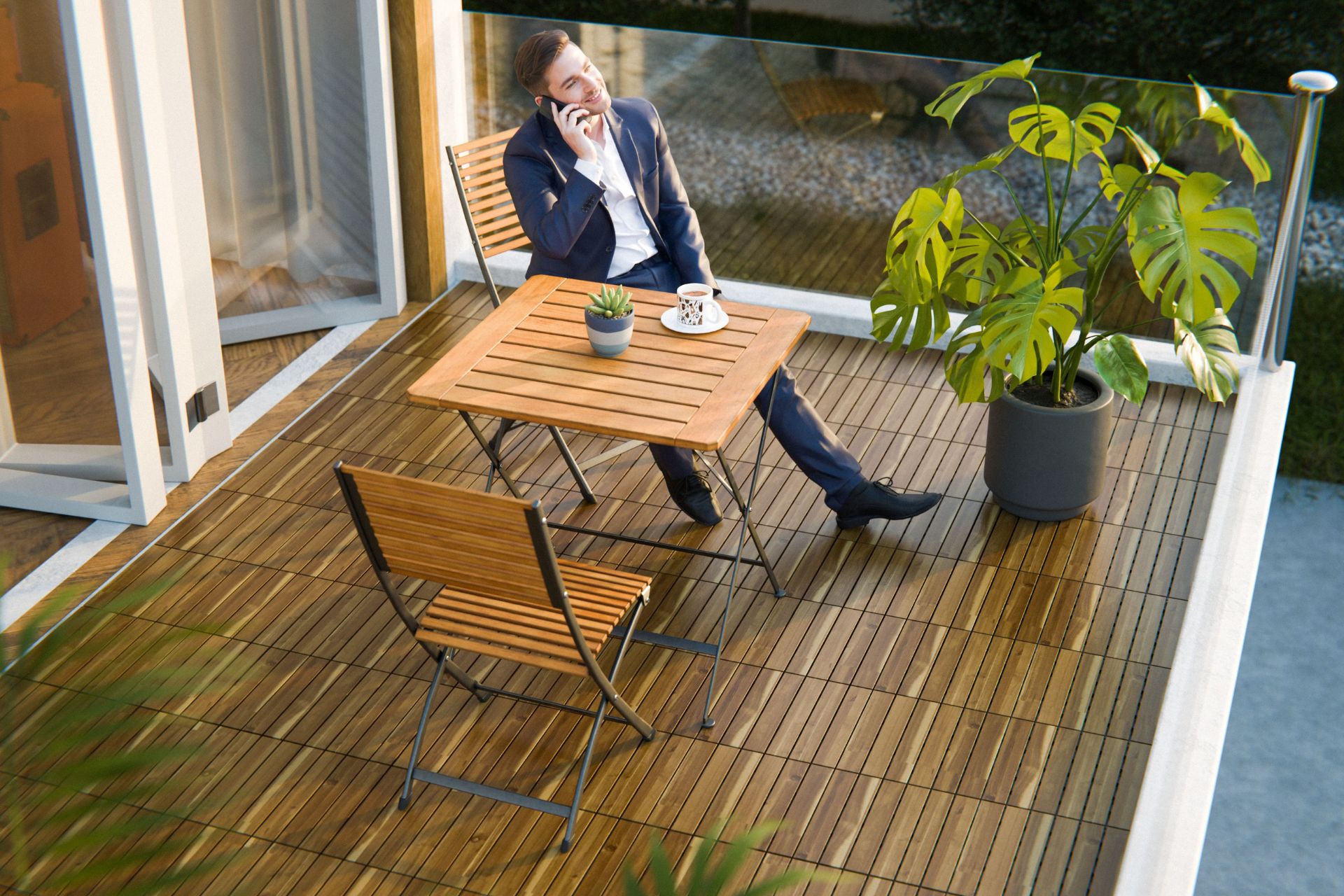
Outdoor living residential design trend 2027
What These Trends Mean for Wood Products
Taken together, the signals surrounding the 2027 trends suggest a residential market that values natural materials, practical flexibility and stronger integration between product categories.
Remodeling increases demand for products that can work successfully within existing homes. Multifunctional kitchens broaden the role of surfaces and cabinetry, while cleaner interiors place more attention on consistency and finish quality. Storage and outdoor living extend the number of applications that can be supported by wood panels and components.
For manufacturers, appearance is therefore only one part of the equation. A commercially viable residential program also depends on stable dimensions, controlled moisture, appropriate machining, consistent finishing and packaging that protects the product throughout distribution.
These requirements may be operational, but they determine whether a design concept can move successfully from a showroom or initial sample into a repeatable commercial program.
The most relevant opportunity for wood suppliers is therefore not simply to follow one aesthetic trend. It is to understand how residential applications are changing and develop products that can adapt to those applications without losing manufacturing discipline.
Where SSR Fits Into the Residential Design Shift
The direction emerging ahead of KBIS and IBS 2027 aligns closely with how SSR is developing its residential wood portfolio across Wood Surfaces, Wood Panels, Cabinet Components, Stair Components and Outdoor Living.
Wood Surfaces include butcher block countertops, table tops and workbench tops for applications where natural wood remains visible and tactile. Wood Panels can support cabinetry, shelving, furniture and other interior uses, while Cabinet Components and Stair Components address more application-specific residential requirements. Outdoor Living extends the portfolio into deck tiles and outdoor furniture, connecting the range with the continued development of exterior living environments.
The value of this structure is not simply having multiple product categories. Residential programs increasingly require manufacturers to manage the relationship between material selection, dimensions, moisture requirements, machining, finishing, packaging, and repeat orders.
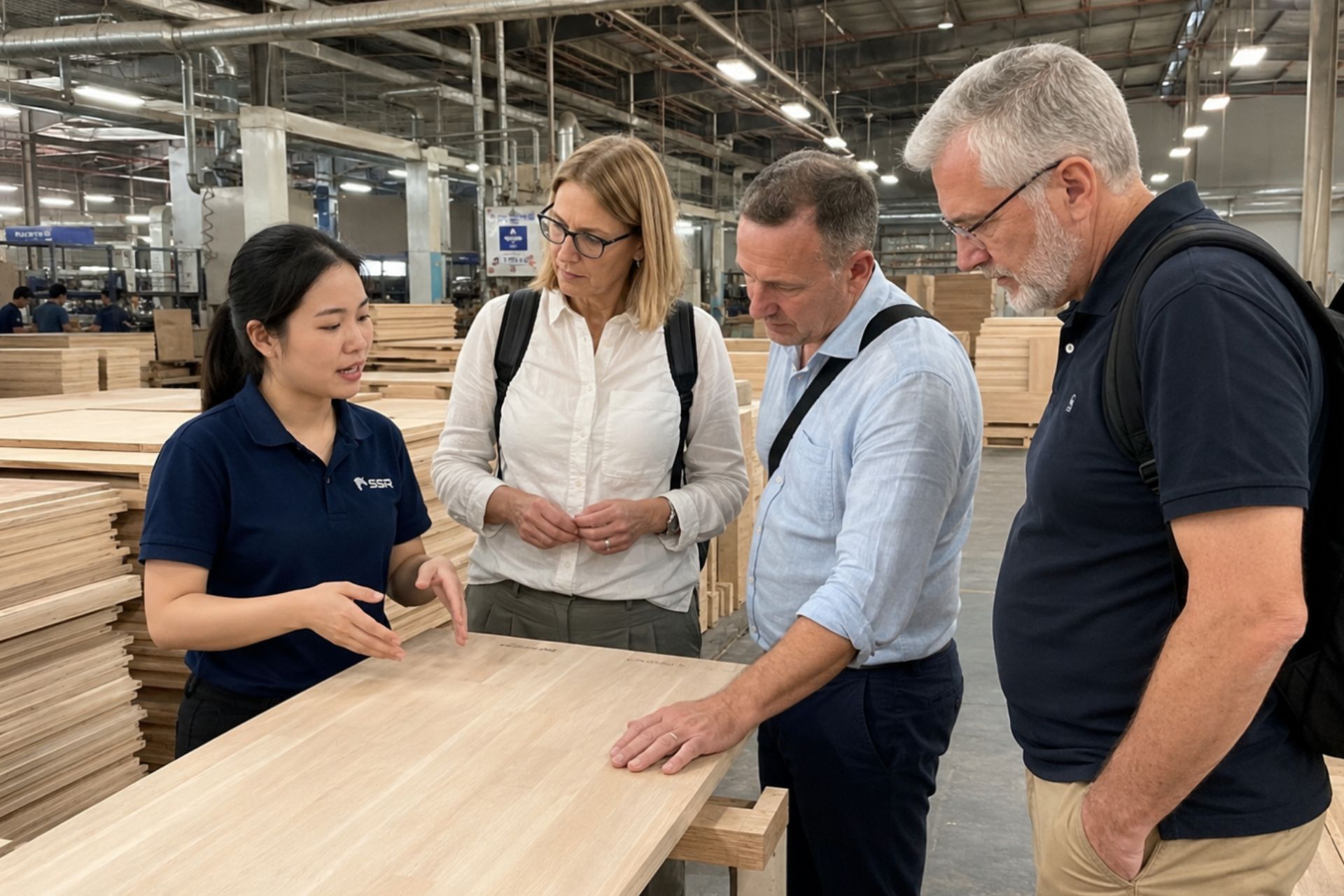
SSR approaches these factors as part of the overall product program. This allows wood products to be developed around different applications while maintaining the specifications required for retail, distribution, import and OEM/ODM business.
As residential design becomes more personalized at the consumer level, commercial customers still need products that can be produced consistently at scale. Connecting those two requirements — flexibility in the finished application and repeatability in manufacturing — is becoming increasingly important for long-term residential programs.
What to Watch in 2027
The most useful question is not which single trend will dominate the show floor, but which ideas will translate into products that can succeed in real residential programs.
Natural wood, multifunctional kitchens, integrated storage, remodeling-oriented products and closer indoor-outdoor connections are already visible in current industry research. Design & Construction Week will provide a clearer view of how manufacturers turn those directions into products that balance appearance, price, production and distribution.
For companies working with residential wood products, that is the more important signal to follow: not simply what looks new, but what has the potential to become commercially sustainable.
Talk With SSR About Your Next Wood Program
Residential trends may start with design, but turning them into a scalable product program requires the right material, specifications and manufacturing setup. SSR works with distributors, importers, retailers and OEM/ODM partners on wood surfaces, panels, components and outdoor products for different residential applications.
If you are planning a new product range, reviewing an existing program or looking for manufacturing options for the U.S. market, contact SSR to discuss your requirements and explore suitable product solutions.